growing guide

Amaranthus

Amaranthus is a florist and garden staple, adding whimsy, texture, and rich color to any arrangement or landscape. This tender annual can take on two different growth habits, depending on the variety. Amaranthus caudatus produces pendulous hanging tassels while Amaranthus cruentus produces sturdy upright stems.

growing guide

preparation

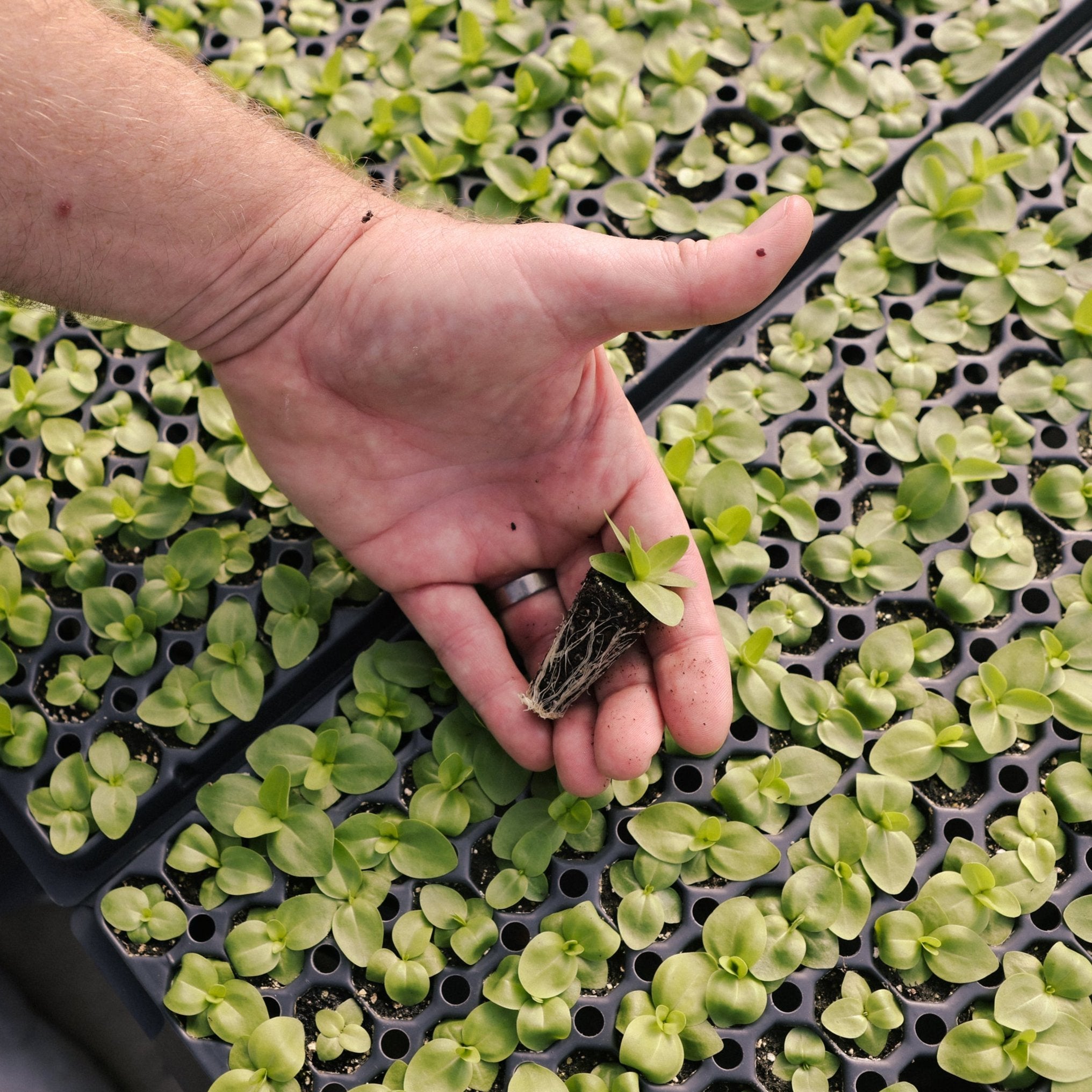
Keep plugs well watered, and plant soon after arrival to keep them from becoming rootbound. Amaranthus are often sown with multiple seedlings in one cell; plant them as one rather than disturbing the roots and teasing them apart. Plant into fertile, well drained soil in the spring only after the threat of frost has passed. Amaranthus loves long, hot summer days

growing guide

Growing

These plants can get BIG. If not pinching, plant plugs closely together in order to restrict their growth prevent them from getting enormous. If pinching, space them at 12" or more apart, and plan to pinch when the plants are about a foot tall to promote the development of multiple smaller side branches. For staggered summer blooms, consider planting mutliple successions of Amaranthus 3-4 weeks apart. Flea beetles are the primary pest, and might riddle the leaves with holes. But the leaves can easily be removed after harvesting.Liquid fertilizer is recommended while the plants are actively growing. However, applying too much nitrogen when the plants initiate bud will result in lots of vegetation but few flowers.

growing guide

Cut Flower tips

If harvesting for fresh use, do so when about 75% of the flowers are open and place stems immediately in cool water. If using flower food, you can expect a vase life of up to two weeks. Amaranthus is a popular flower for drying as well. If harvesting for dried use, do so at a slightly later stage, when the seed has begun to set.

Leave a comment

This site is protected by hCaptcha and the hCaptcha Privacy Policy and Terms of Service apply.