



growing guide
Antirrhinum (Snapdragon)
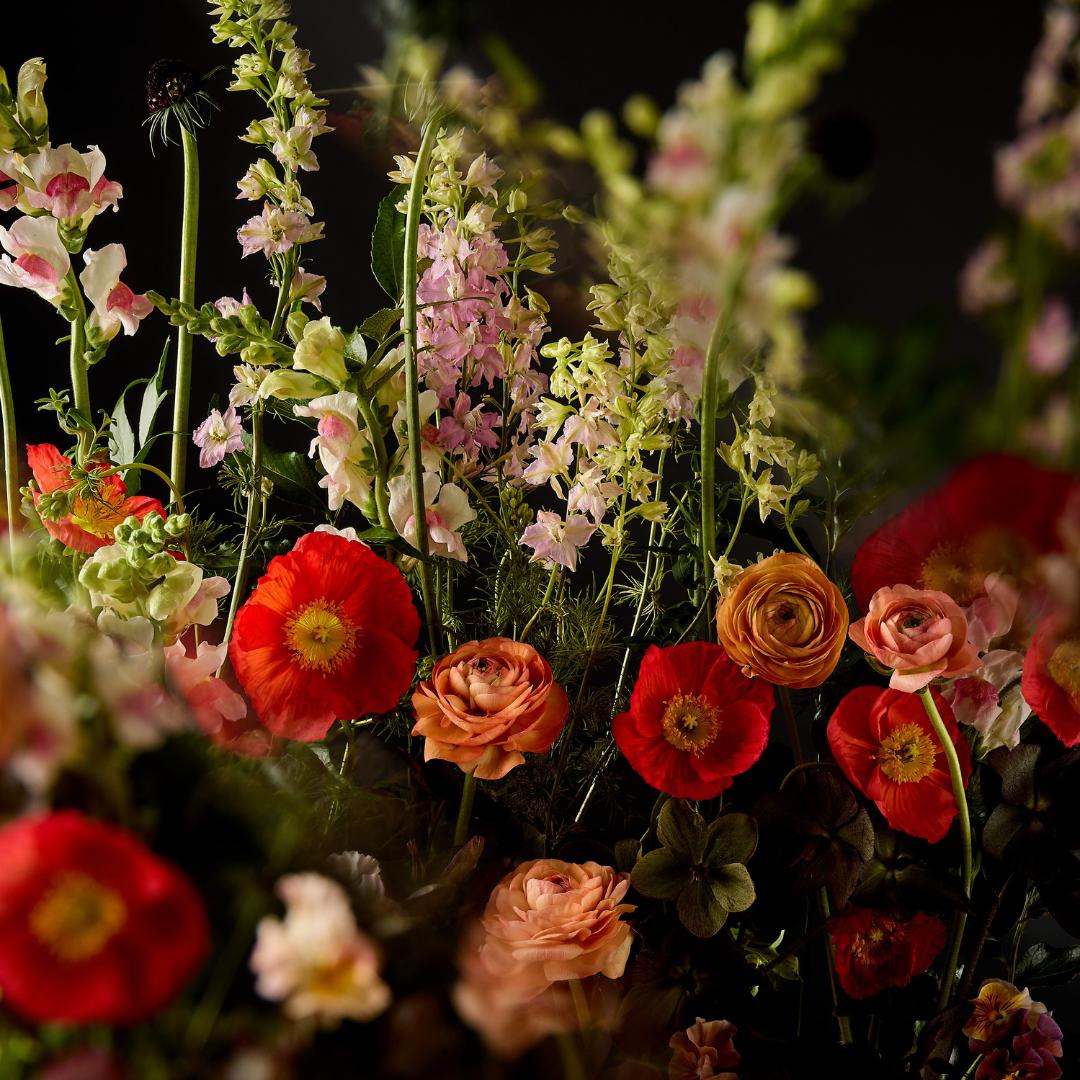
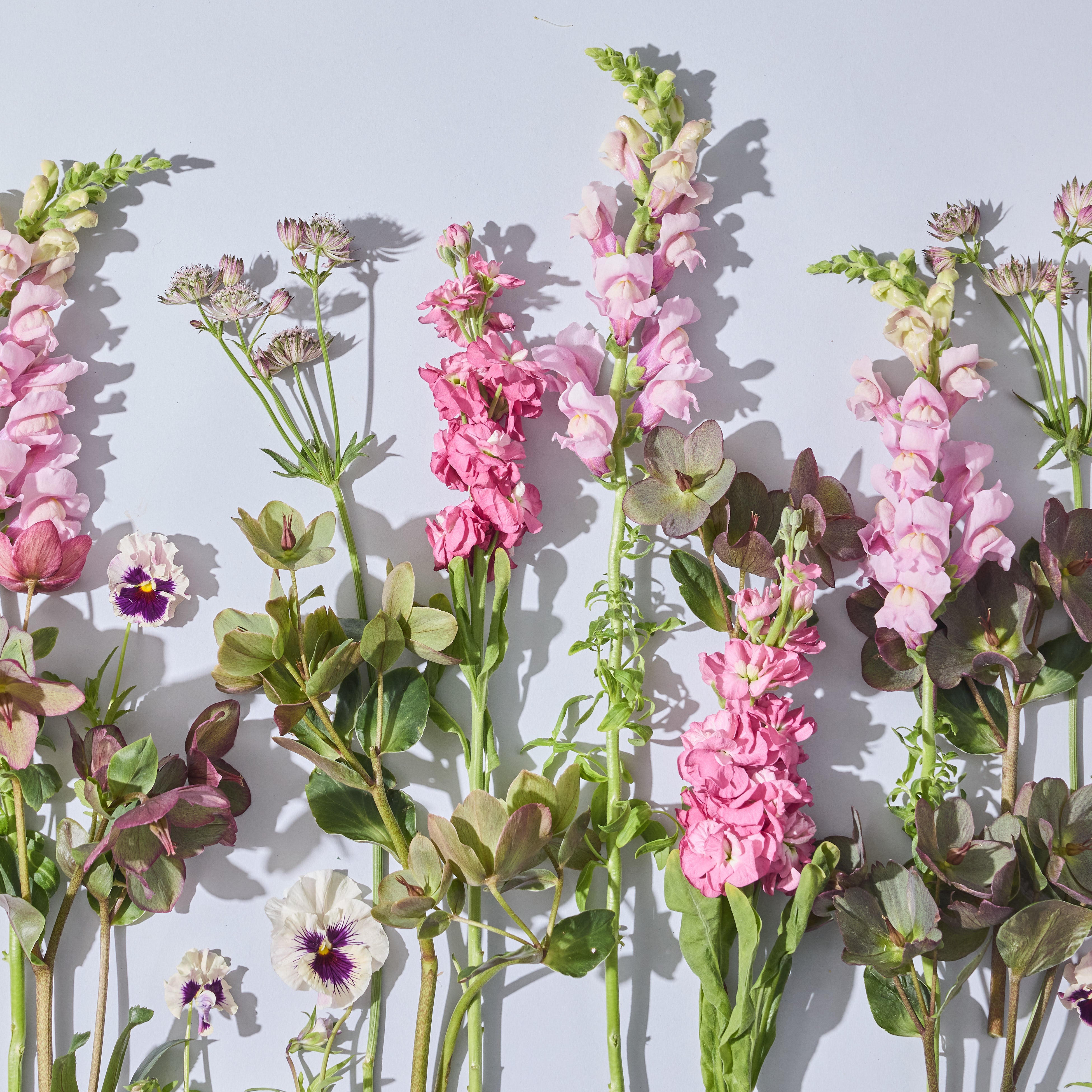
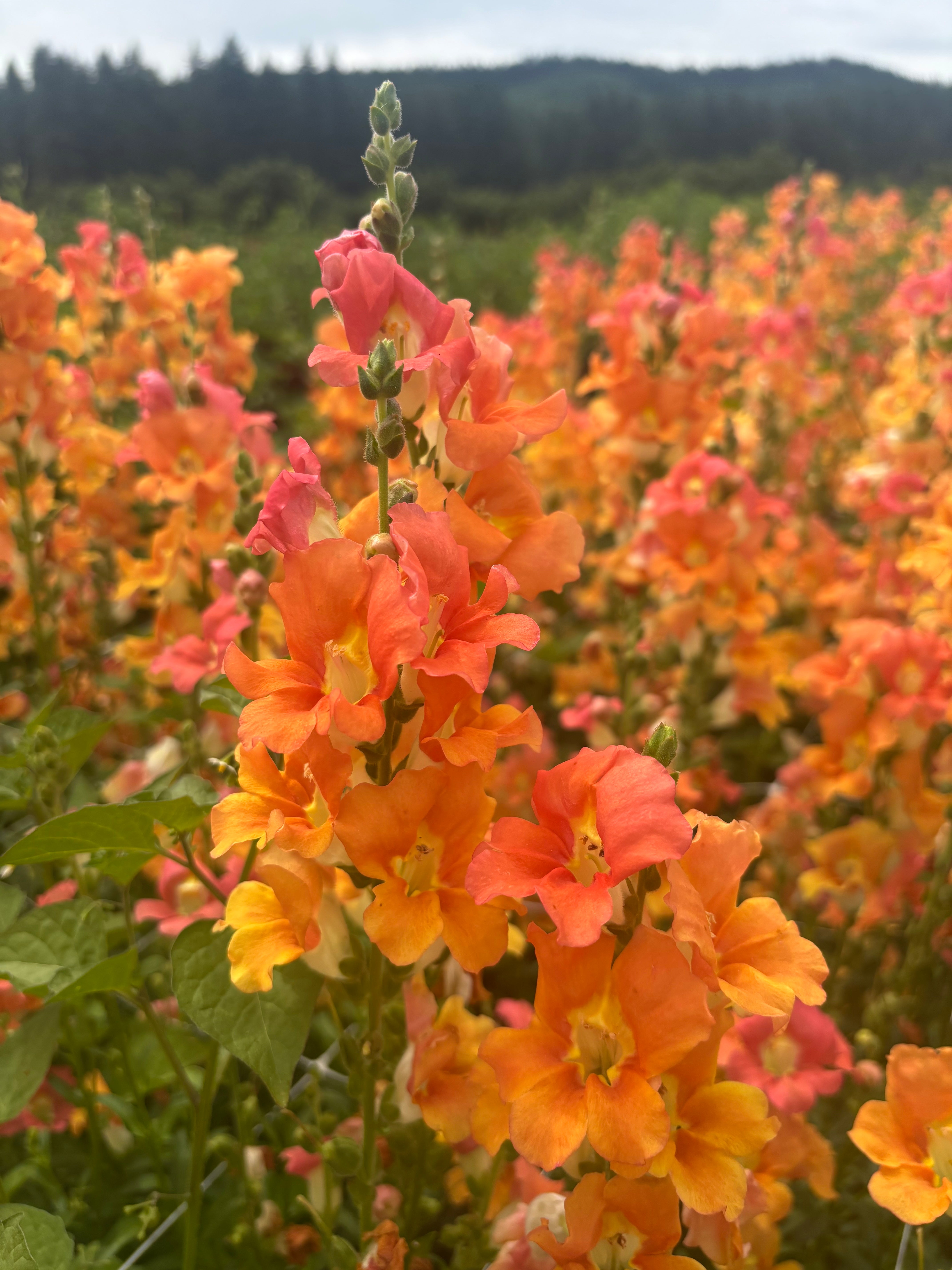
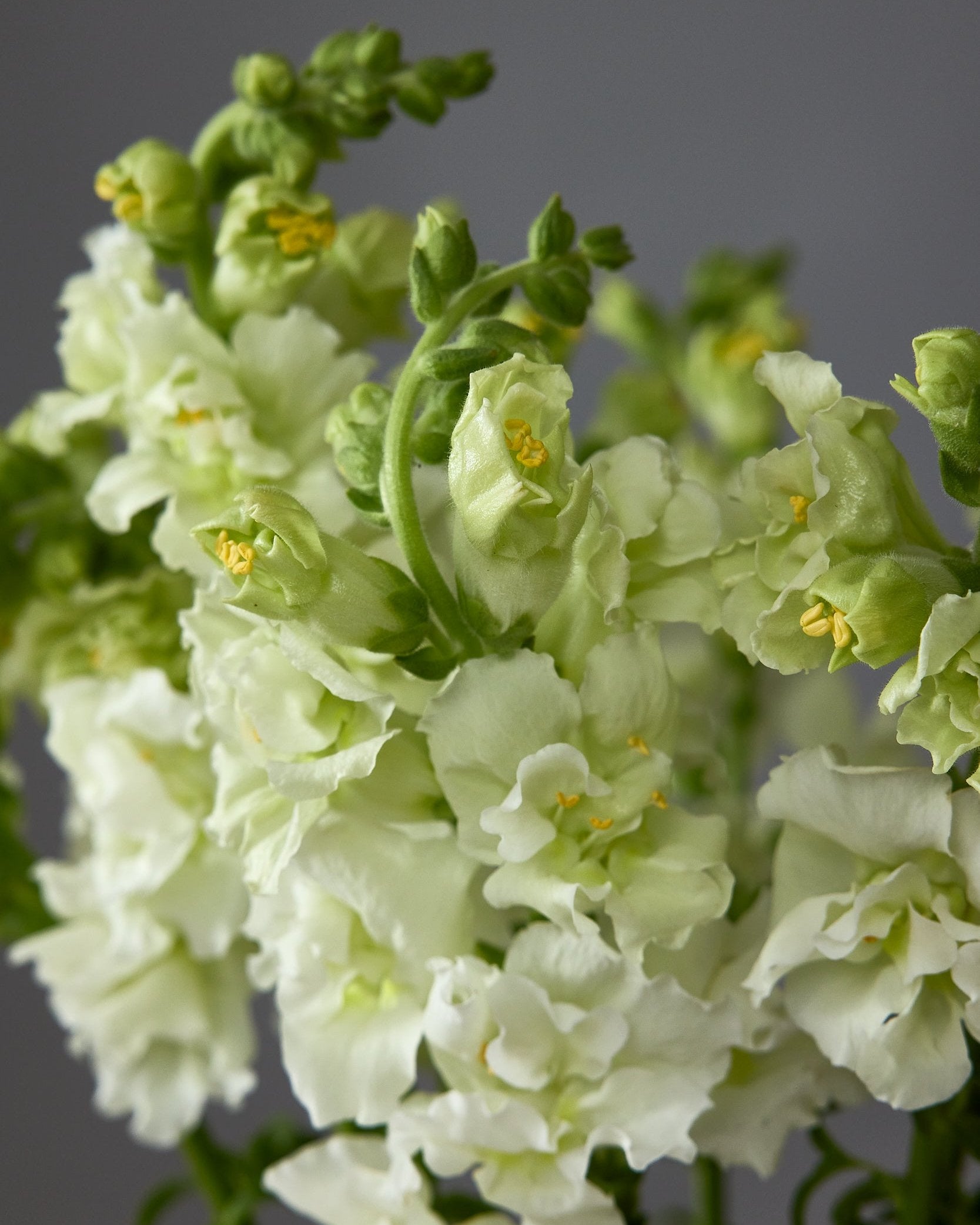
Nobody knows who Antirrhinum majus is; Snapdragons though, everyone loves her! This common name is a favorite amongst children who love to squeeze the outer edges of an open flower to make it open and close as if it’s a mouth that has come to life. Snapdragons are a classic, grown in many gardens across the country; thanks to modern plant breeding there are hundreds of cultivars, all boasting different growth habits, flower color, shape and style. Here at Garden Club, we have chosen to carry some very special cut flower varieties that get tall, and that display some unique flower shapes. Whether you prefer the classic shape, the open-faced trumpet-style flowers of the ‘Chantilly’ series, or the fully double flowers of the ‘Madame Butterfly’ series, we have something that will appeal to everyone. Snapdragons can be considered tender or short-lived perennials in climates where they may survive over one or two winters, but elsewhere in the country they can be grown as a hardy annual.

growing guide
preparation
When to have your plugs delivered to you depends on where in the country you are located. If you live in the south (USDA hardiness zones 7 and higher), we recommend fall-planting your snapdragons for best results. If you live in the northern range with lower hardiness zones, you can fall-plant if you are planting under the protection of a hoophouse or a greenhouse; otherwise wait until spring and plant early – up to a month before your last frost date. Snapdragons establish best under cool conditions – they are frost tolerant when young and will reward your early planting date with tall, strong stems come bloom time. Snapdragons planted after the soil has warmed will still flower, but on shorter stems and with fewer flowers. You may notice that snapdragons fall into different “bloom groups” from 1-4; often these numbers are represented within the name of the cultivar (for example Orleans Light Orange 3-4 which falls between bloom groups 3 and 4). Typically speaking, bloom group 1 was bred to flower earliest and best under the cool conditions and lower light levels of winter and early spring. The following bloom groups bloom in succession, with bloom groups 3 and 4 performing well late in the summer under high heat and intense sunlight conditions. This classification is more important for professional cut flower growers trying to grow a uniform crop for the cut flower industry. For home gardeners wanting to enjoy a few plants in their own yards, all snapdragons will perform well planted using the above advice – either fall, or early spring, while the weather and soil are still cool. Plant snapdragons soon after arrival, and don’t worry about covering with any protection against the elements unless the temperature is expected to drop below 20 degrees Fahrenheit. Plant in an area that receives full sun and prepare the soil prior to planting by incorporating some compost and granular fertilizer. Snapdragons prefer loose, well-draining yet moisture retentive soil that is high in organic matter.
growing guide
Growing
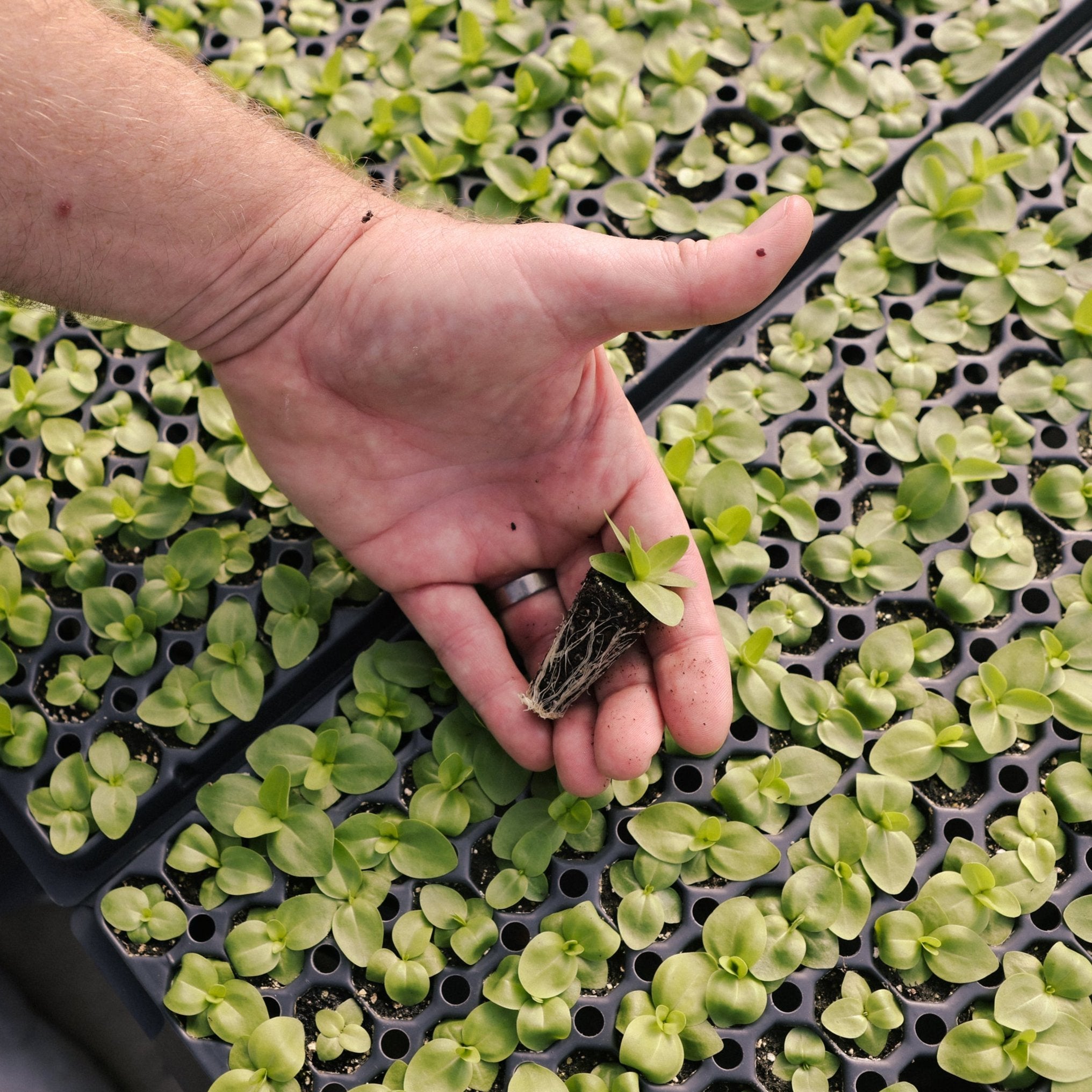
Snapdragons will reach their best potential if watered every week or two with a water-soluble fertilizer that has a balanced NPK ratio, or one that was specifically developed for flowering annuals (whatever generic fertilizer available from your local garden center should work). Irrigate frequently, especially during hot and dry weather – the goal is to keep the soil damp. We recommend planting at a minimum of 6” spacing for more intensive cut flower production, but they should be given a little more space in most typical garden settings. You may notice your plugs have multiple seedlings per cell; they will grow perfectly fine if left like this. If you keep your plugs un-pinched, you can expect each plant to produce one extremely tall stem (3-4 feet) with lots of flowers and possibly some smaller side shoots. You can also choose to pinch your plugs which will result in multiple smaller but uniformly sized stems (2-3 feet). If this is what you’d prefer, simply cut off the main growth tip down to approximately 3 sets of leaves once they’ve reached this height. Either way, it’s recommended to support your snapdragon plants which will become top-heavy in full bloom and may topple in the wind. Snapdragons are generally pest and disease resistant: the disease to watch out for is rust, which can infect lower foliage during periods of high humidity and precipitation especially if the foliage stays wet for long periods. Harlequin bugs and thrips love snapdragon flowers in full bloom.
growing guide
Cut Flower tips
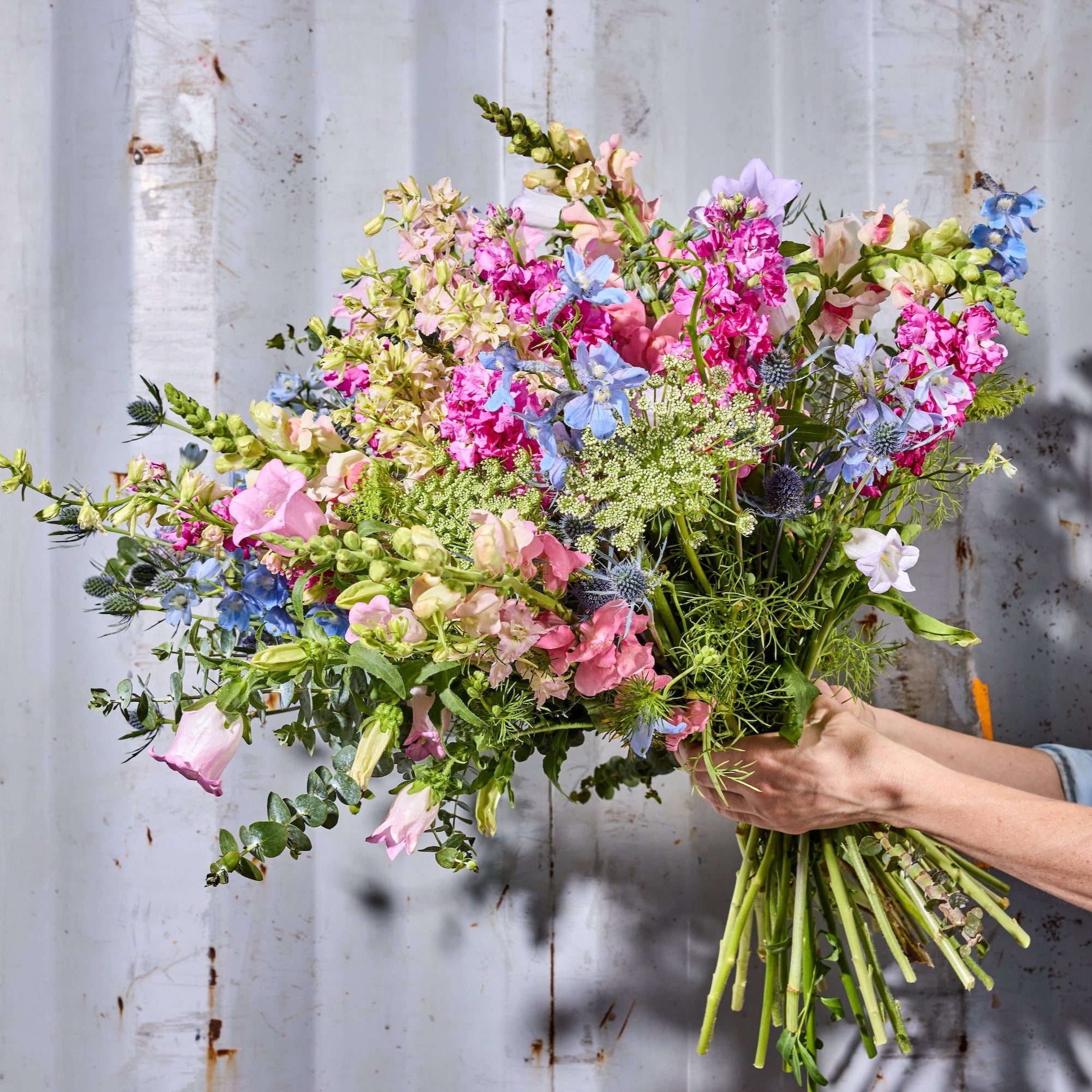
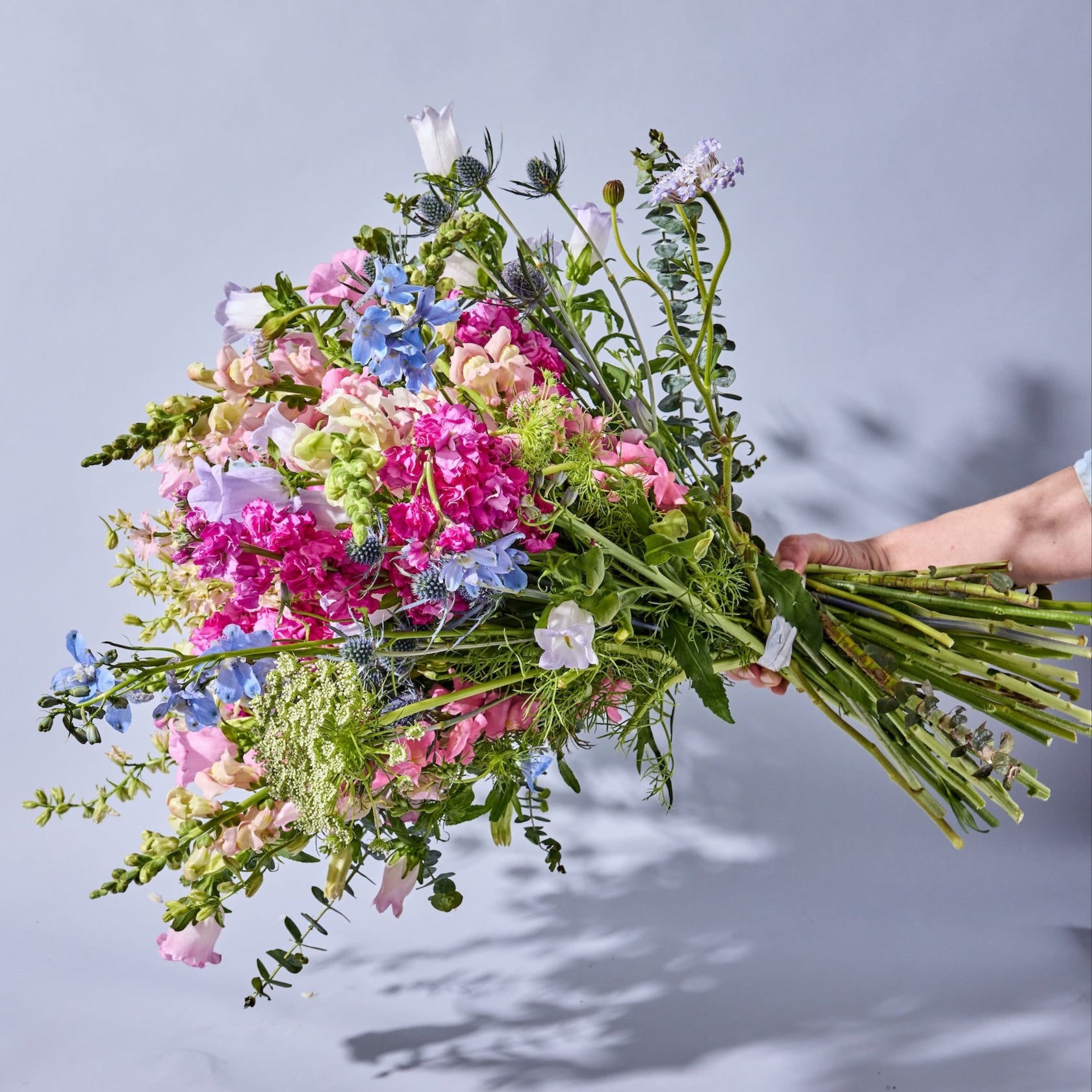
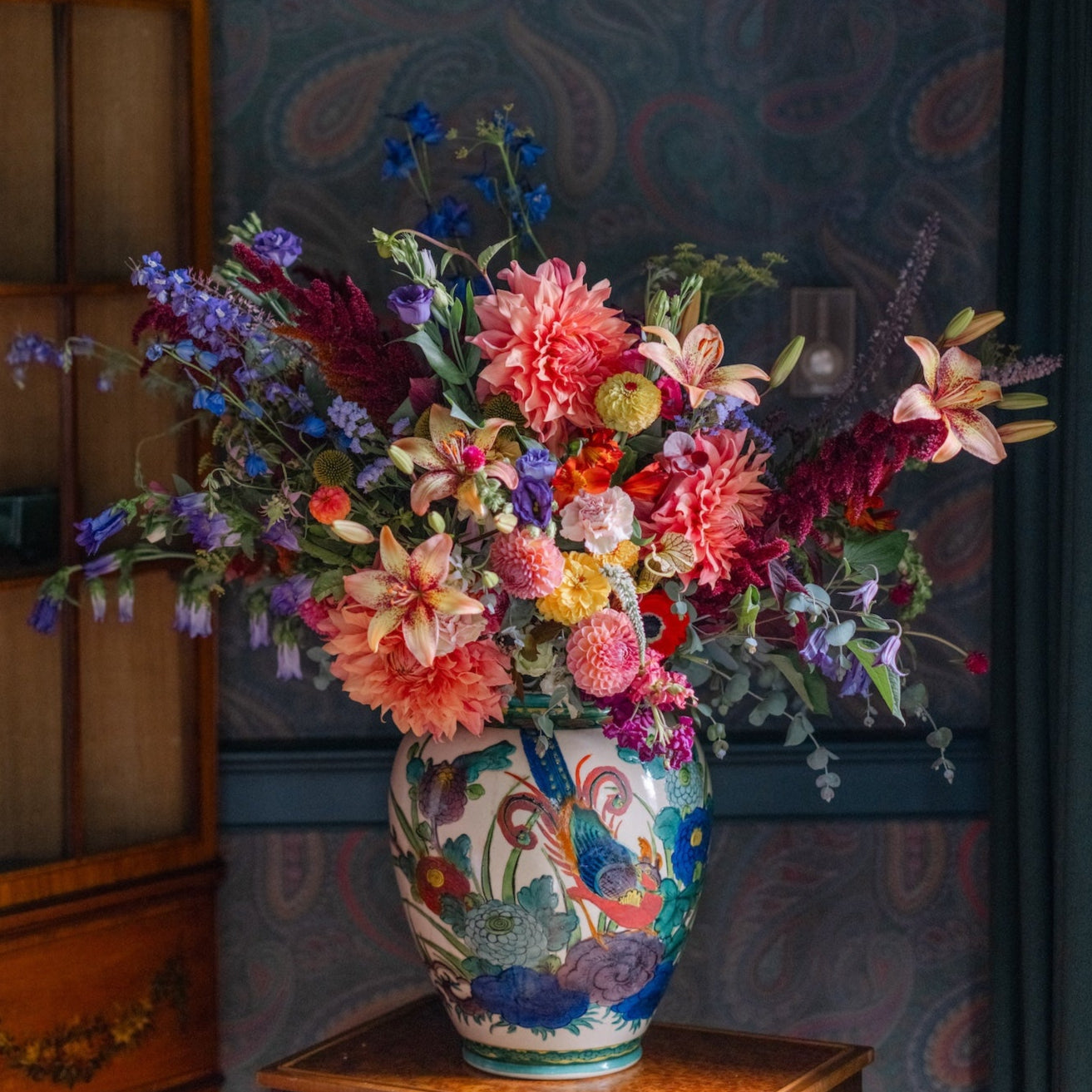
If you decide to cut some snapdragon stems to enjoy indoors, the best time to harvest your cuts is either early in the morning, or later in the afternoon, when the plants are at peak hydration. Harvesting when the sun is at its peak might cause the stems to wilt in the vase; don’t fret, after 12-24 hours they should have perked back up. Harvest stems when 1/3 to 1/2 of the florets are open and the remaining florets are still in bud – these will continue to open in the vase. Cut stems should immediately be placed in a vessel with fresh, cool water – change the vase water every couple of days and re-cut the bottoms of the stems with each water change. The use of some floral food will help maximizer the vase life of the flowers. Snapdragons are sensitive to ethylene gas which will make the florets drop prematurely; the most common source for ethylene gas is ripening fruit, so keep the two away from each other. Snapdragons can be planted at the same time as many other hardy annuals, including stock, campanula and Icelandic poppies – try some in your own garden and discover how much joy they bring to your day.
3 comments
Bobette Geiger
I planted some snap and feverfew plugs last Fall in weed barrier cloth with holes cut out. I had lots of blooms earlier and are on the 2nd flush of blooms now. I was hoping they might reseeds themselves but the weed cloth might prevent that from happening. Should I pull up the weed cloth and scatter my saved seeds in late Fall? Thanks for your help.
I planted some snap and feverfew plugs last Fall in weed barrier cloth with holes cut out. I had lots of blooms earlier and are on the 2nd flush of blooms now. I was hoping they might reseeds themselves but the weed cloth might prevent that from happening. Should I pull up the weed cloth and scatter my saved seeds in late Fall? Thanks for your help.
Satin Bostic
Just got mine and planted them immediately. Cant wait until they bloom
Just got mine and planted them immediately. Cant wait until they bloom
Diane Oakley
The Snapdragon plugs arrived in perfect condition!!! Thank you
The Snapdragon plugs arrived in perfect condition!!! Thank you