#color_lagoon

growing guide

Caryopteris

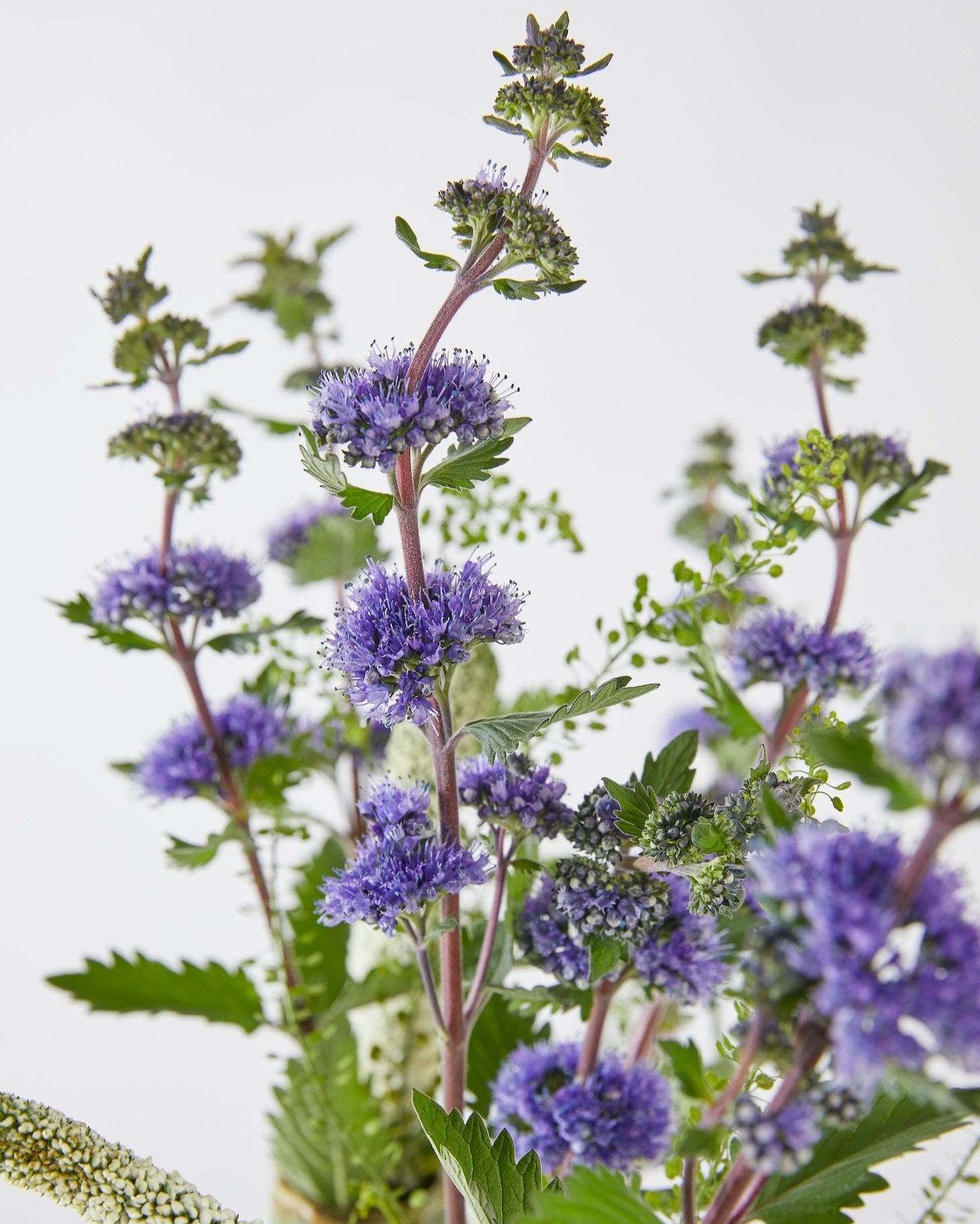
Caryopteris has a unique flower form, with a central stem intermittently ringed by bold blue or pink circles of florets that create a pagoda shape. Also known as bluebeard, blue spirea, or blue mist, this is not a common flower in either gardens or floral designs, giving it a strong visual impact and novelty. Caryopteris x clandonensis of the Lamicaeae family grows as a deciduous shrub, though it is not reliably hardy for overwintering. It will survive the winter in low frost locations, but Caryopteris is relatively new to North America, and very little has been written on how it behaves in our various zones.

growing guide

preparation

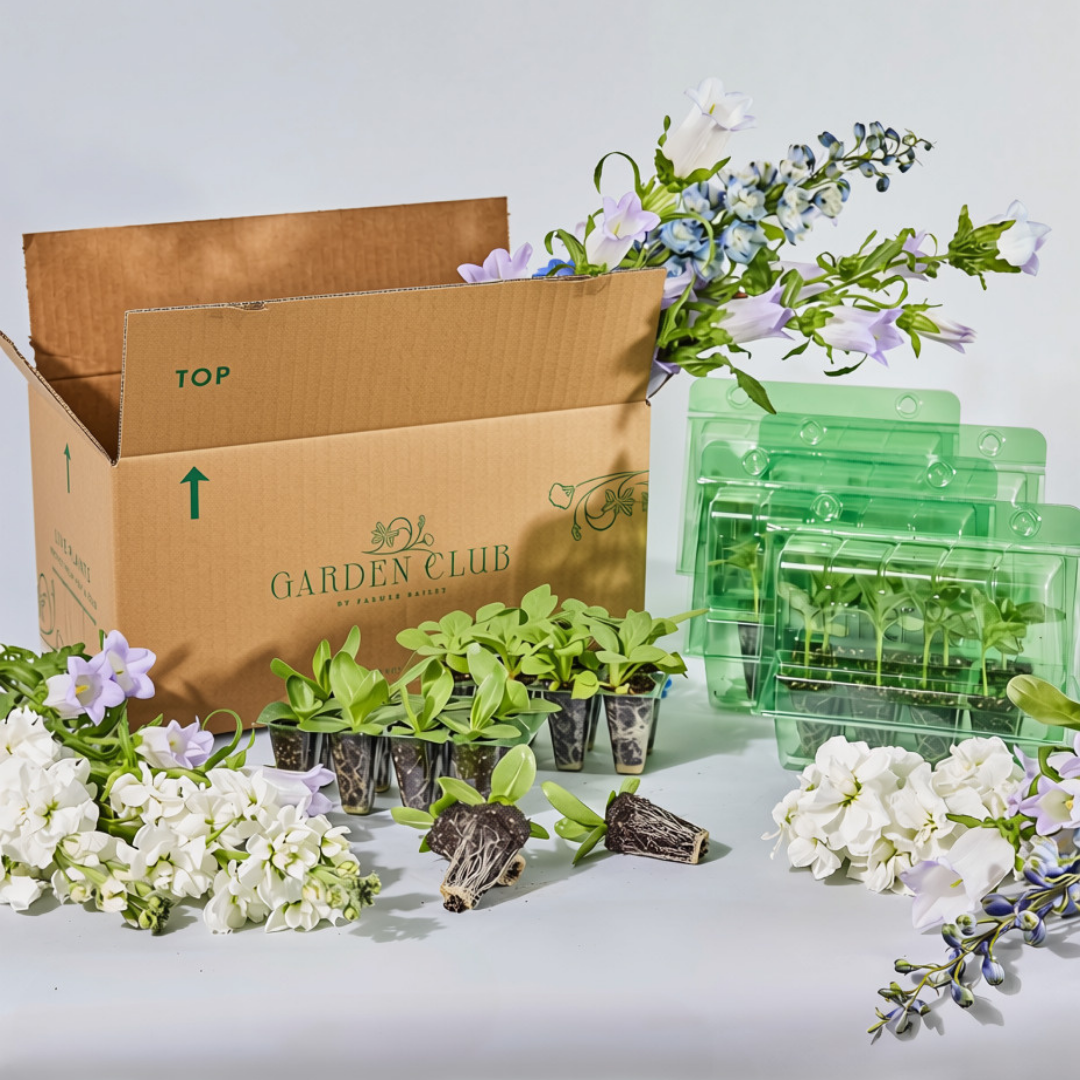
Unbox your plugs and water well as soon as they arrive, then acclimate them to real-life conditions by gently exposing them to increasing sunlight for 4-5 days. After hardening off you will be ready to transplant the plugs into their new home. Plant in the spring after your last outdoor frost has passed, in full sun. Caryopteris is very tolerant of a range of soil conditions, but it will bloom most prolifically in fertile, moist but well-drained soil of neutral pH. Be sure to overhead water your newly-transplanted plugs with a hose or sprinker while they settle in. Once the roots are established, it can tolerate drier conditions. Caryopteris is an autumn bloomer (a short-day plant), and will bloom later in the season when the days decline to less than 12 hours. This makes them a wonderful companion for Chrysanthemums!

growing guide

Growing

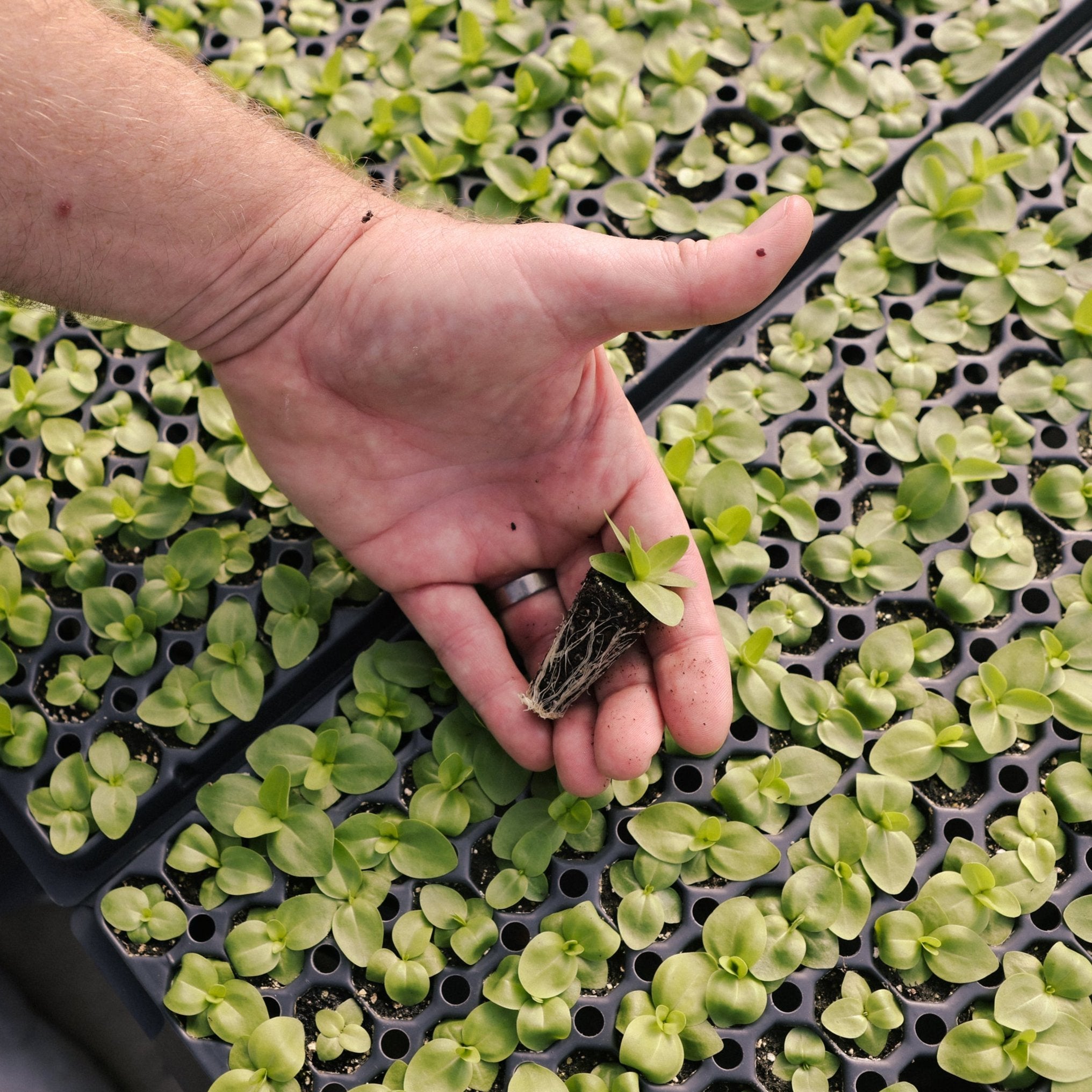
In order to promote vigorous side branching, plant plugs 12-15 inches apart and pinch them once when they are about 6 inches tall, leaving 3-4 pairs on leaves on the plant. Depending on temperature, the best time to pinch will be about 3-9 weeks after planting. When the new shoots emerge, you can thin the plant down to the strongest 6 to 8 stems; this will give you the highest quality cut flowers, if that is your goal. For a higher quantity of smaller stems, do not thin the new growth. Regarding diseases and pests, watch for whitefly, caterpillars, and thrips. Over-irrigating the plants can cause chlorotic (yellow) stems.

growing guide

Cut Flower tips

For cutting and arranging purposes, harvest Caryopteris stems when the lowest three whorls of flowers are open. The rest of the buds will open in the vase. Place your cut stems in cool water right away. If you use a floral conditioner like FloraLife in the water, you can expect a one-to-two week vase life.

Leave a comment

This site is protected by hCaptcha and the hCaptcha Privacy Policy and Terms of Service apply.