growing guide

Celosia (Cockscomb)

Celosia is a genus of vividly-colored, fuzzy-textured flowers that can take the form of crests, wheat, or plumes. This member of the Amaranthaceae family is an annual that likes it hot; it will offer a bonanza of long-lasting stems and thrive all summer long in the garden. Crested varieties are commonly called Cockscomb, and can even take on the deeply rippled look of a brain–if brains came in deep red, coral orange, golden yellow, and hot pink.

growing guide

preparation

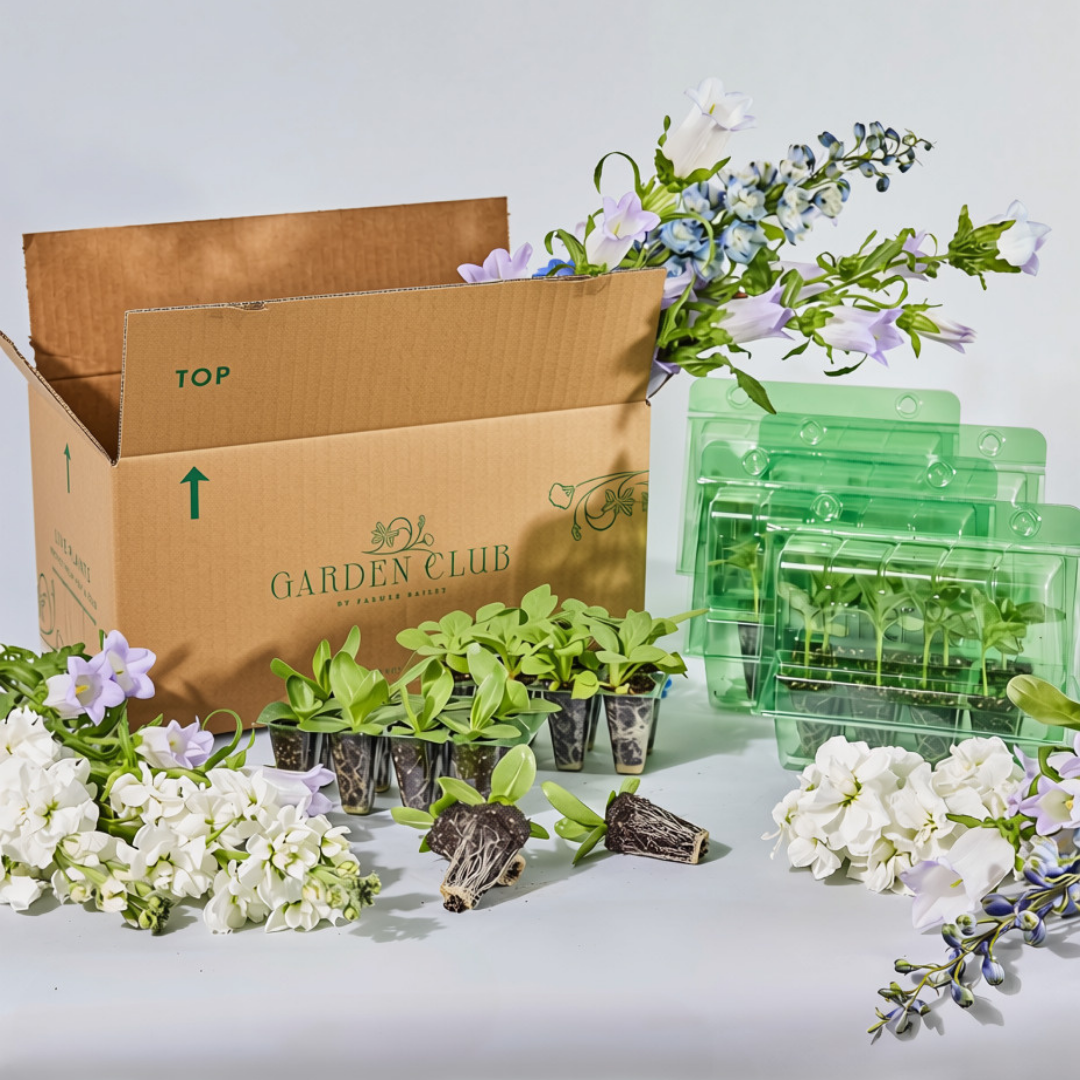
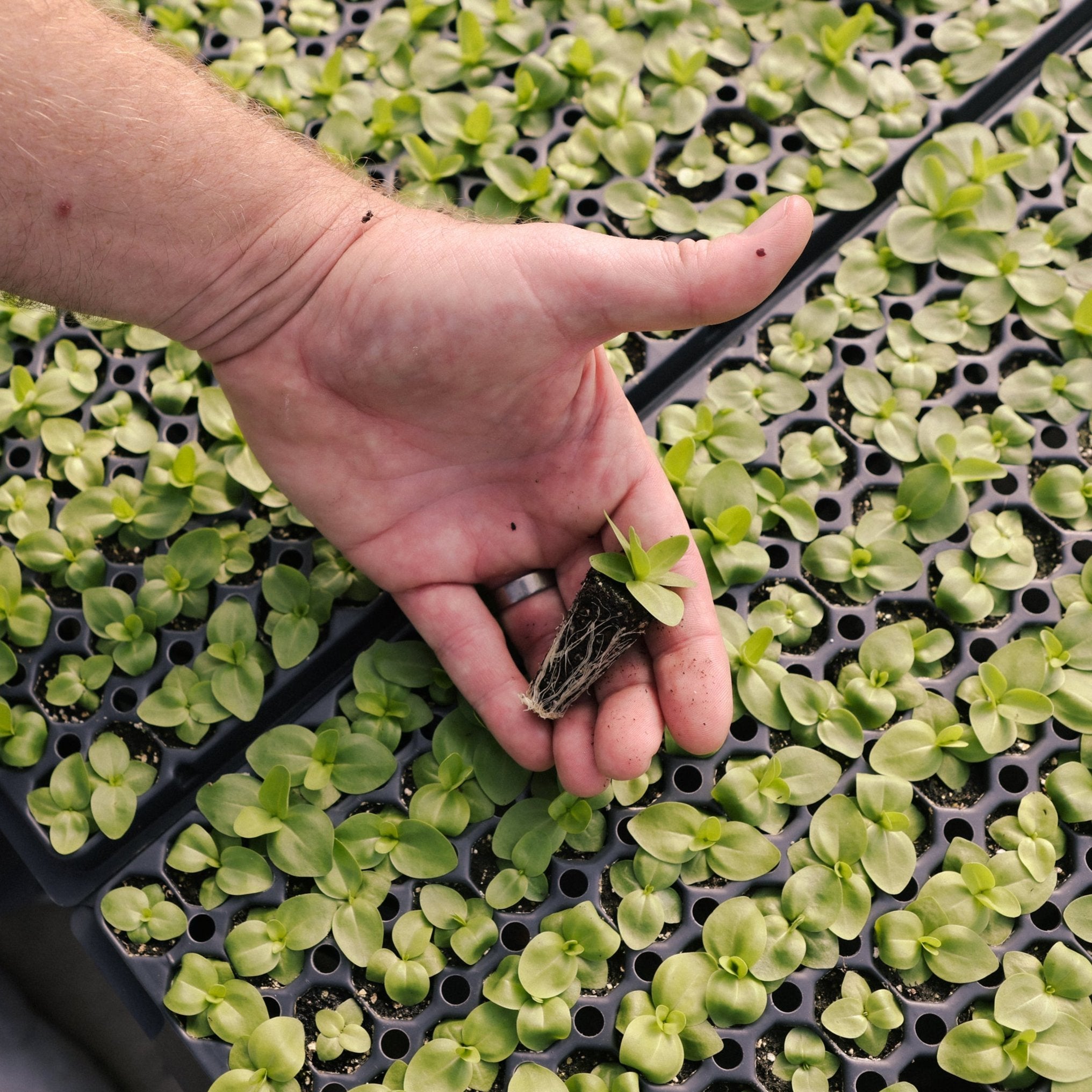
Harden off and plant your plugs as soon as possible after receiving them. Celosia are sensitive to stress (like drying out) and root binding, and will flower prematurely if they are unhappy. Once your plugs are in their new home, water thoroughly and ensure they do not dry out completely while they establish. All varieties of Celosia should be planted out after your last outdoor frost in the spring, once the soil has warmed. If the soil is too cold, they may stall out or flower prematurely. For the best blooms, choose a well-drained location, and amend the soil with compost and granular fertilizer. Nitrogen is key in the early stages of development of the plant; watering with a diluted, balanced fertilizer every other week is recommended. As a quantitative short day plant, it will flower prematurely if not given at least 14 hours of light while the plant is in the vegetative phase. This means as the days shorten after the Summer Solstice, Celosia will be triggered to bloom.

growing guide

Growing

When it comes to Celosia spacing and pinching, variety matters! Single stemmed varieties such as Neo can be planted densely, at 10" or less. For crested, wheat and plume varieties, 24" is best–especially when pinched, to give the side branches space to develop. Do NOT pinch Celosia Neo - it is a single-stemmed variety and will not branch. For Chief, Kurume, Celway, and Sunday, pinch the plants to encourage branching and increase your stem count. Expect the first flowers to bloom about 90-115 days from transplant. This range varies by cultivar, and whether they have been pinched or not. Celosia are heavy feeders and must be fertilized throughout the growing season. Hungry plants will show yelllowing of the leaves (chlorosis) and a decrease in vigor. Celosia are generally robust and problem-free plants; their most common pests are aphids and thrips. Long periods of high humidity and moisture on the leaves can cause onset of disease. Avoid overhead watering and overcrowding of plants to increase air circulation.

growing guide

cut flower tips

To enjoy Celosia as cut flowers, harvest when blooms are fully formed, as they do not continue to develop after cutting. Place your cut stems immediatley in cool water. You can expect a vase life of 1-2 weeks with regular water changes. Celosia also dries exceptionally well, holding its intense color and velvety shapes for months. Simply bunch the cut stems and hang upside-down in a warm, dry, dark location for 1-3 weeks.

Leave a comment

This site is protected by hCaptcha and the hCaptcha Privacy Policy and Terms of Service apply.