growing guide

Delphinium

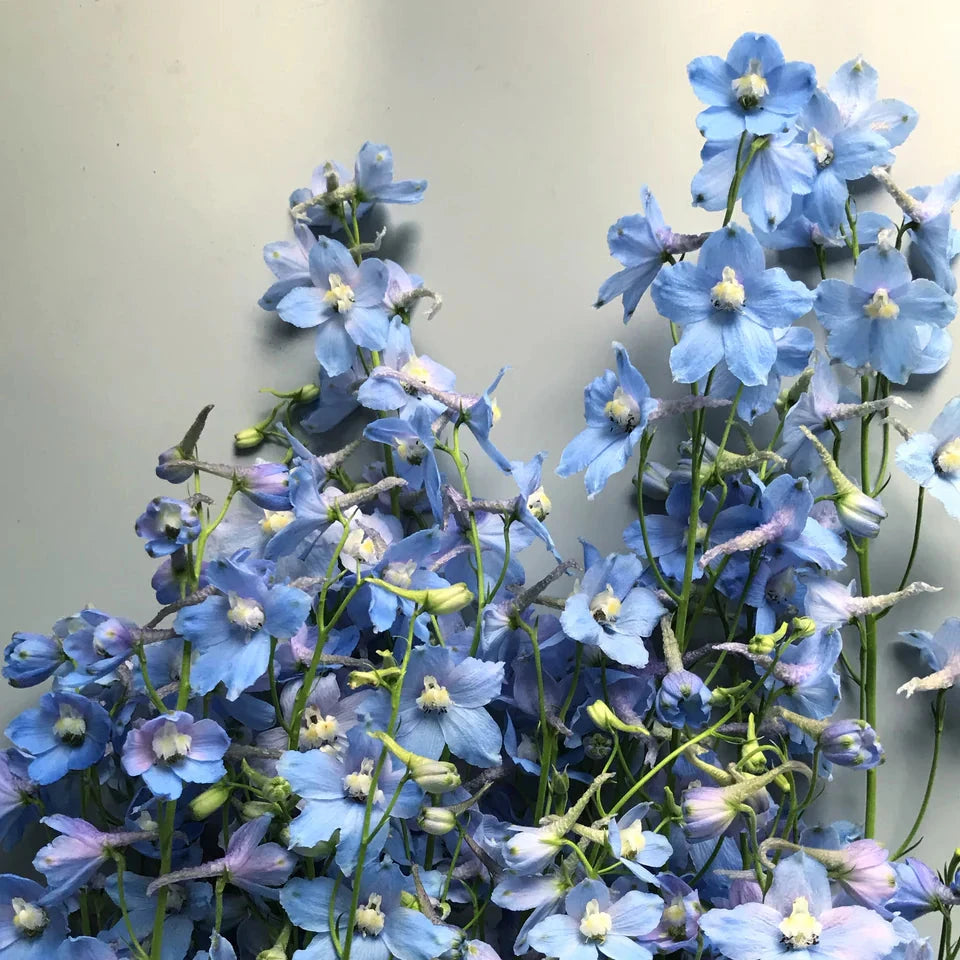
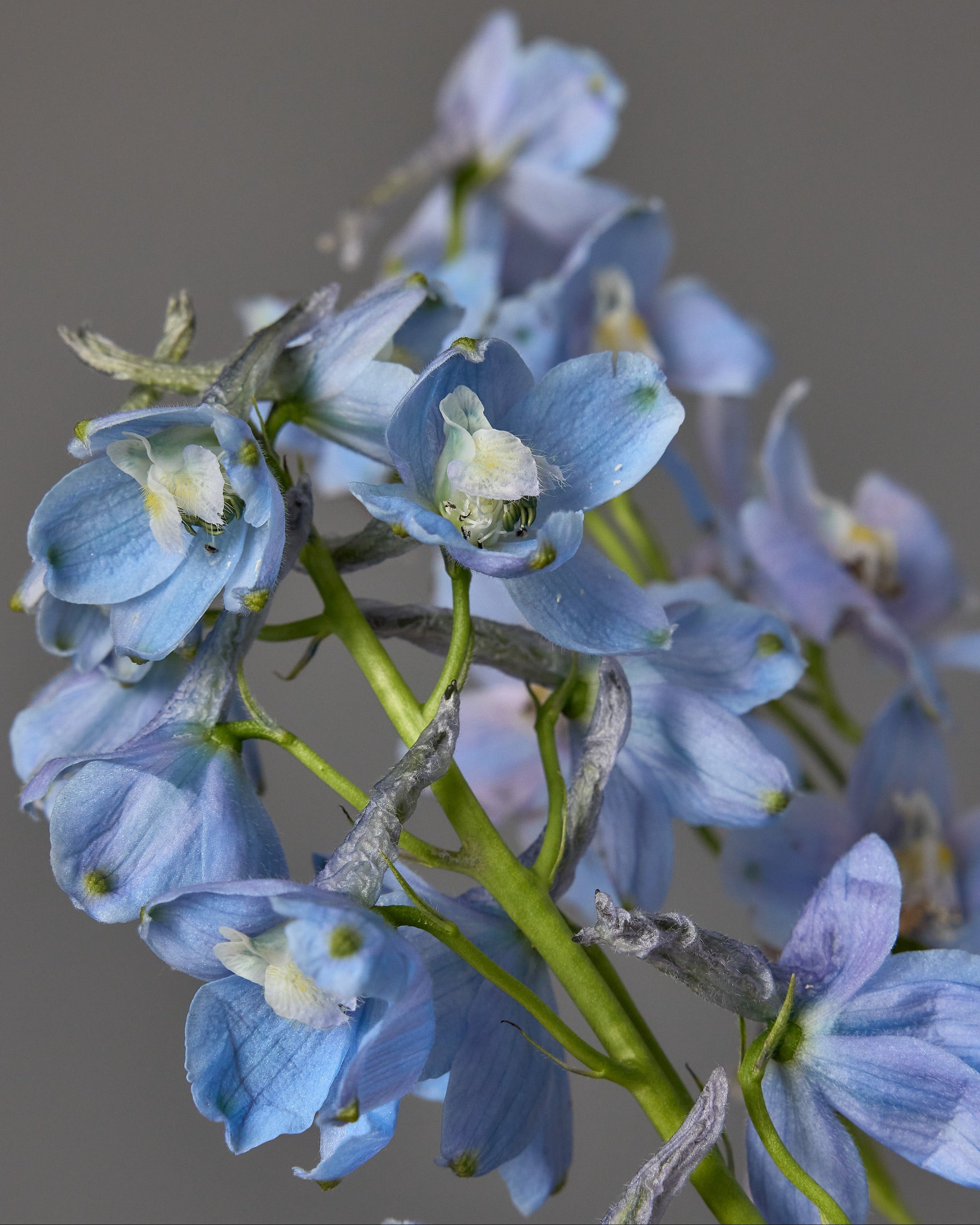
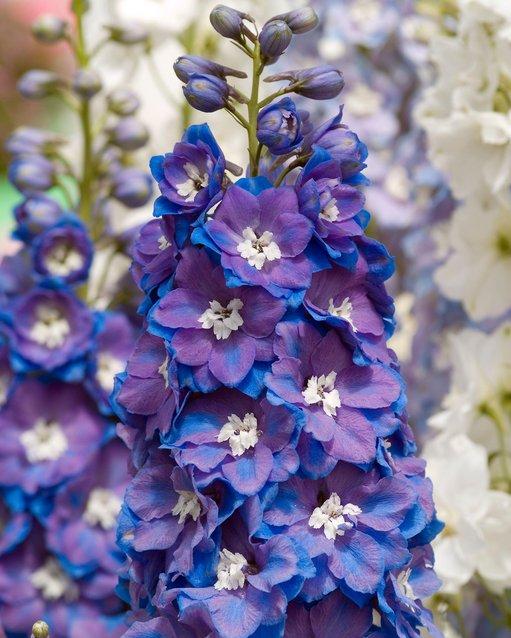
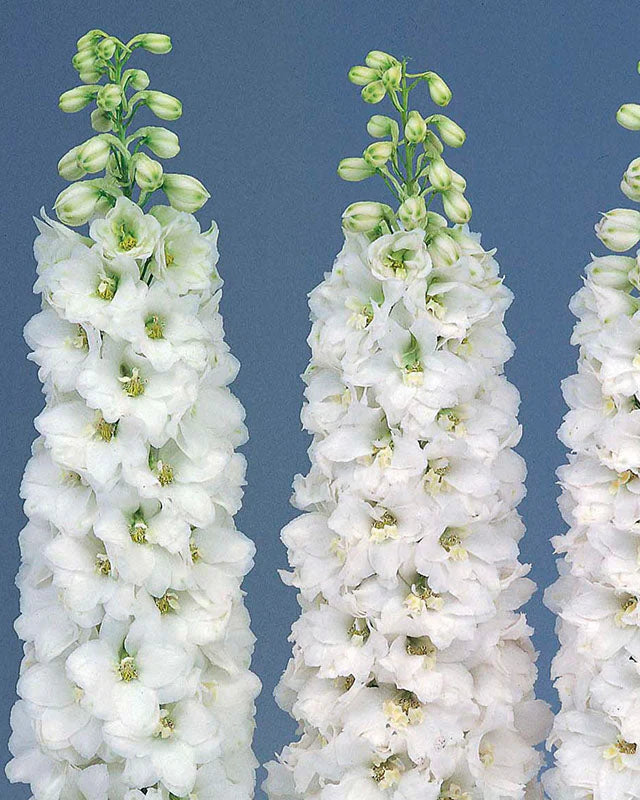
Searching for a true-blue flower for your garden? These tall spires of electric blue, purple and white flowers are a garden favourite and double as a long-lived cut flower on your kitchen table. Delphinium is a genus of plants containing many species – a few of which we carry at Garden Club including elatum, chinensis, grandiflorum, and some hybrids. Luckily the care for all species is similar, with a few slight differences in their tolerances and preferences; see individual product descriptions for these nuances. Follow this guide for the general care and maintenance of all species we offer in our catalog. Delphiniums are hardy perennials in most USDA hardiness zones; however, they don’t love southern areas where summers are extremely hot and humid – in these zones, consider planting in the fall and growing over the winter months. Some varieties have been bred specifically for flowering in the short, cool winter months, and others such as the belladonna types are more heat tolerant and can be grown successfully in these southern climates. If you’re in USDA hardiness zones 3-7, you should have no problem with your delphinium perennializing – in southern zones 8-10 you’ll likely be better off fall-planting for an early spring flower, and you might need to re-plant in the fall if you wish to have delphiniums bloom again the following spring. They perform well in coastal regions where summers remain cool.

growing guide

preparation

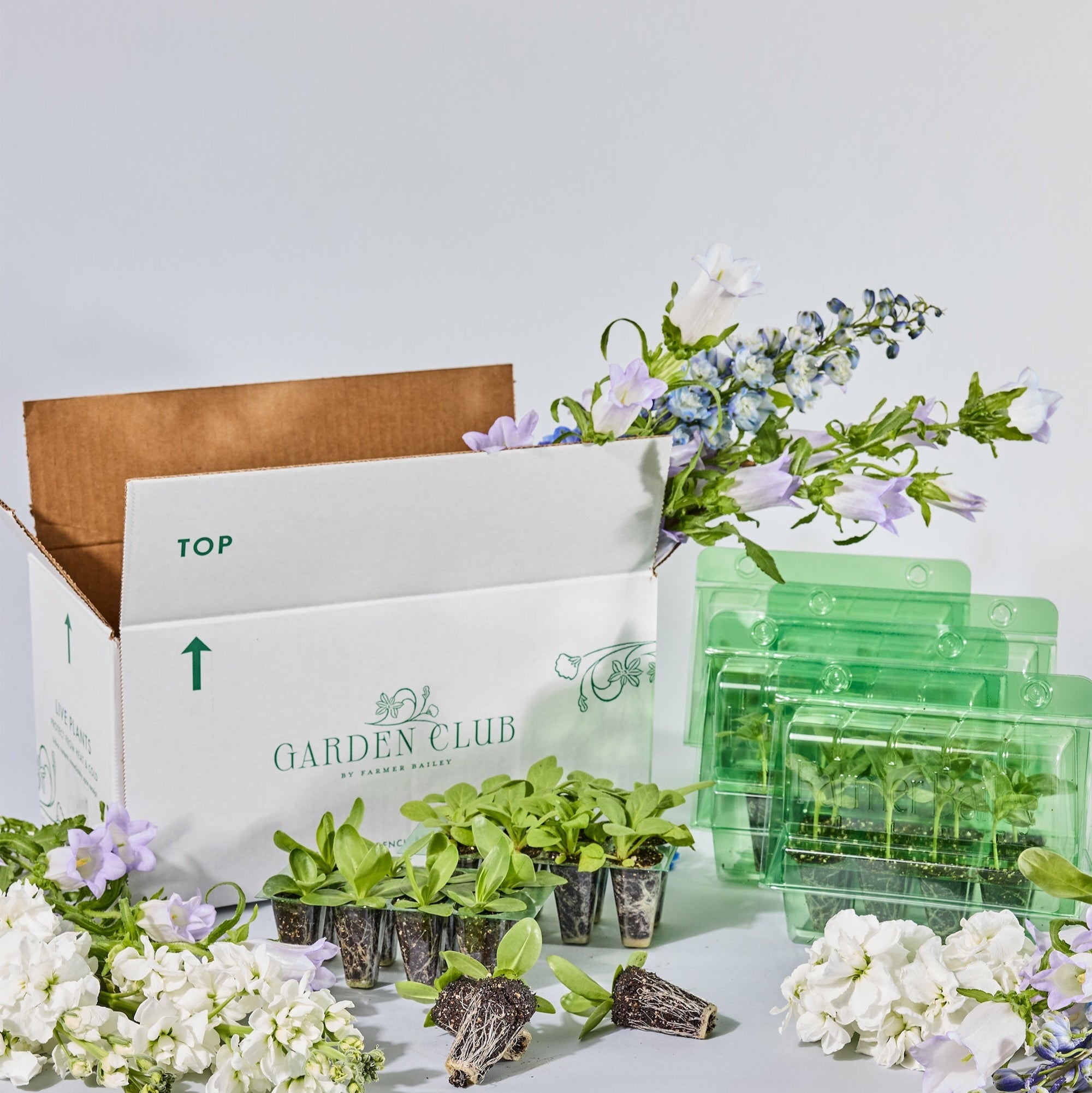
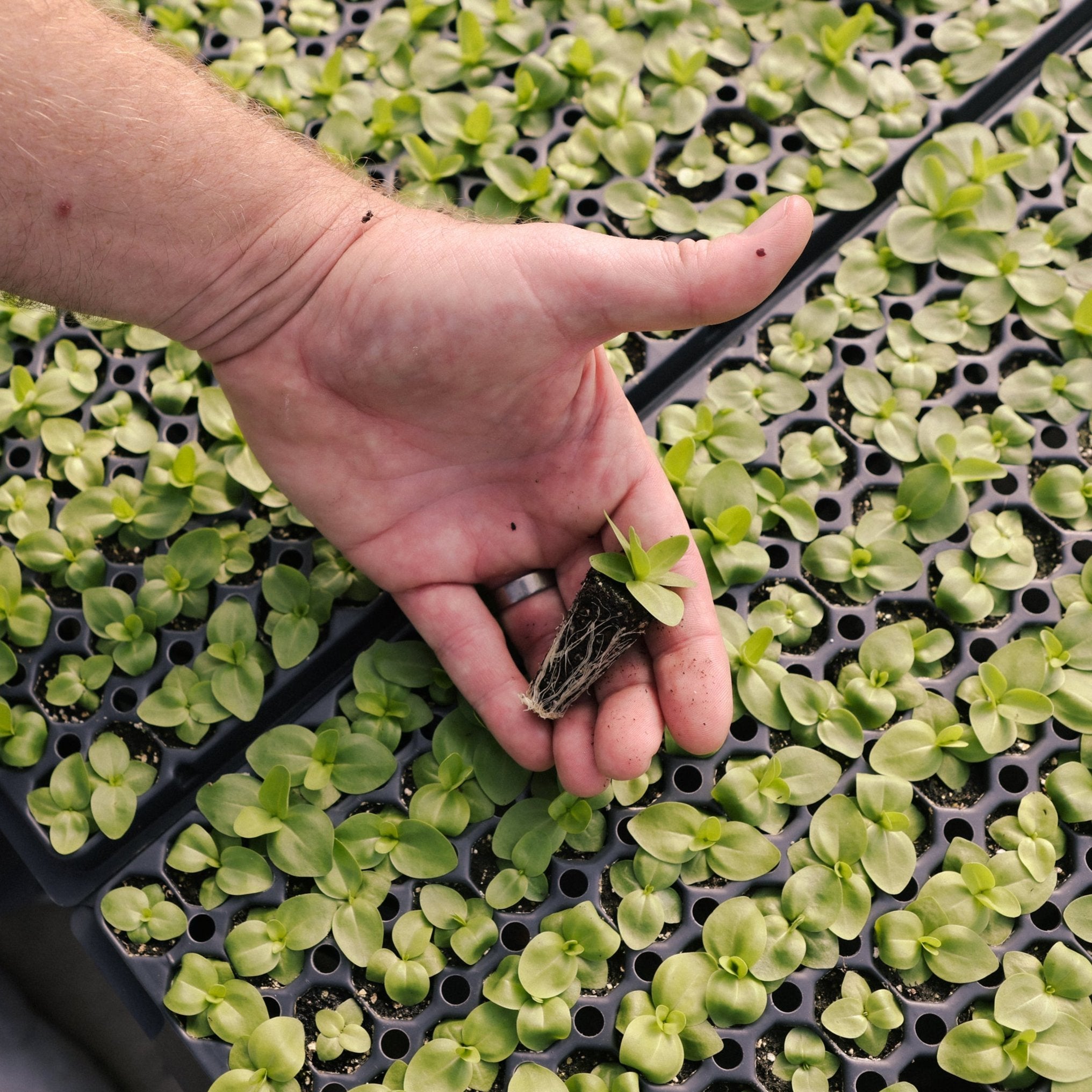
These plugs should be planted at the time of year when the weather conditions are still cool, and the sun is less intense (early spring, or fall). They are frost hardy and will establish well in these conditions, with accelerated growth and flowering happening as temperatures climb in late spring and early summer. Generally considered facultative long-day plants, they will grow vegetatively during short daylengths and flower during long days (some modern cultivars will break this rule). We suggest planting soon after arrival into prepared beds – delphinium are fairly heavy feeders and prefer loose, well-draining yet moisture retentive soil that has been amended with compost and granular fertilizer. Space 18” apart or more in areas where they are expected to perennialize; 12” spacing is adequate in the extreme south where they are considered more of an annual or biennial plant. Water regularly as delphinium will become stressed in drought-like conditions, the use of a water-soluble fertilizer every week or two will also help the plants perform to their full potential.

growing guide

Growing

As you can imagine, these tall plants can become quite top-heavy when in full blooms. Mature heights vary depending on the species and variety, with some maxing out at 3 feet and others reaching 6 or 7 feet in height; they all benefit from staking especially in areas with high wind or precipitation. Nothing is more disappointing than a toppled plant after months of care and anticipation. Expect flowers in early spring from a fall-planting, or later in the season from a spring planting; once perennialized your delphiniums will bloom mid-spring each year. You can cut flowers to enjoy in a vase or leave them to flower in the garden; either way, cut the stalk back to within a few inches from the ground and the plant will reward you with a second flush of flowers later in the season. In the right conditions, delphinium are hardy plants that suffer from few diseases; watch for powdery mildew and typical plant pest such as thrips, aphids and pest mites which can be controlled with beneficial insects such as predatory mites.

growing guide

Cut Flower tips

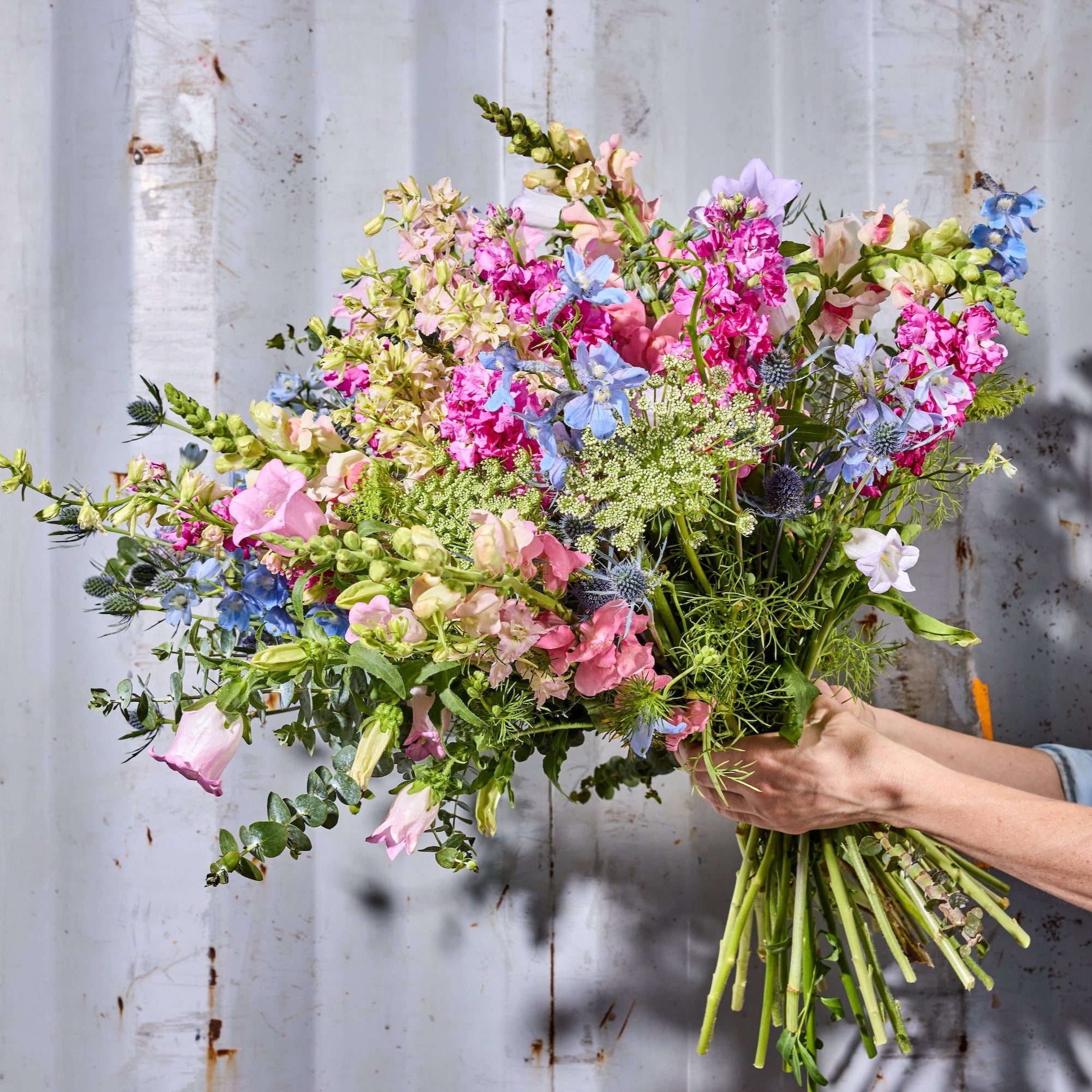
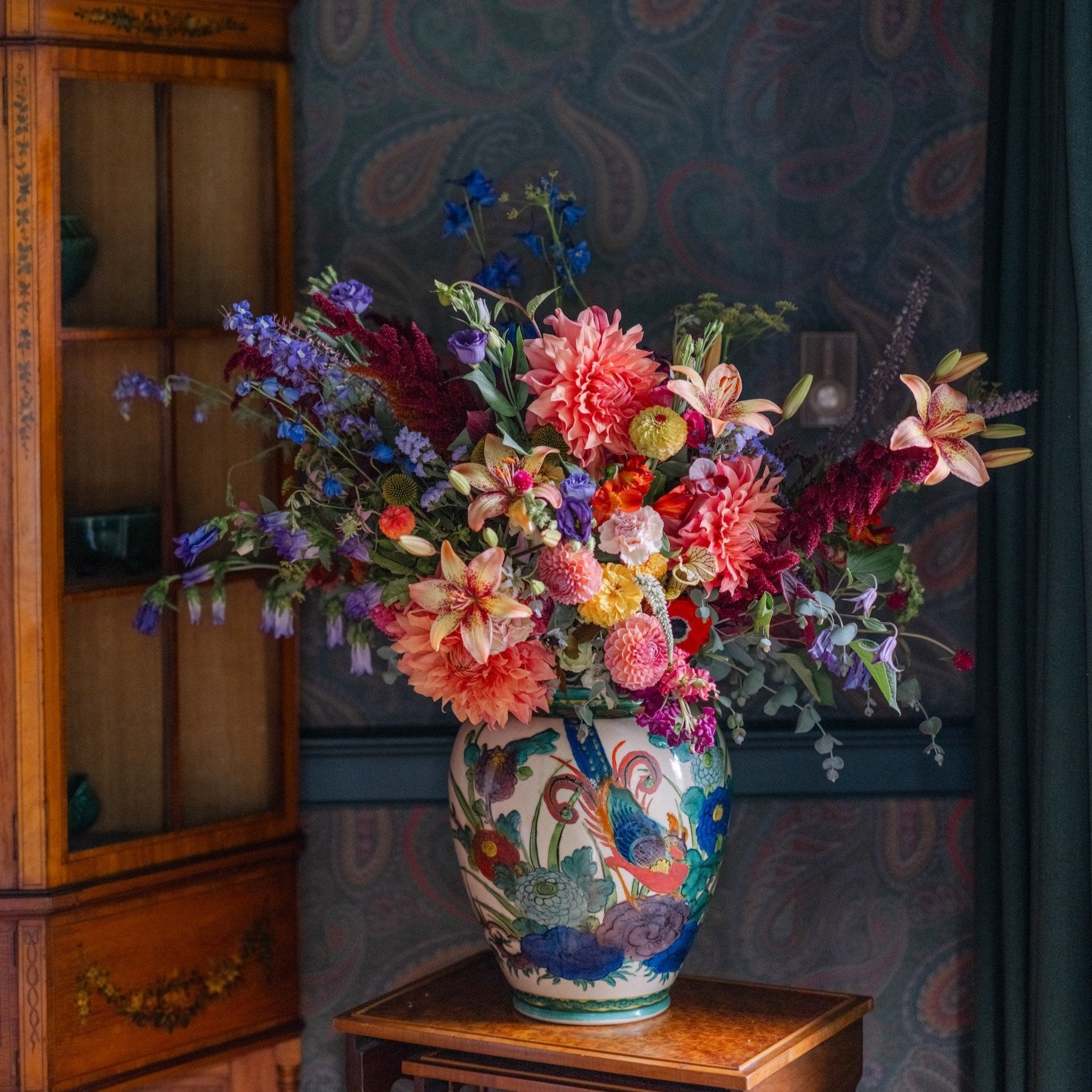
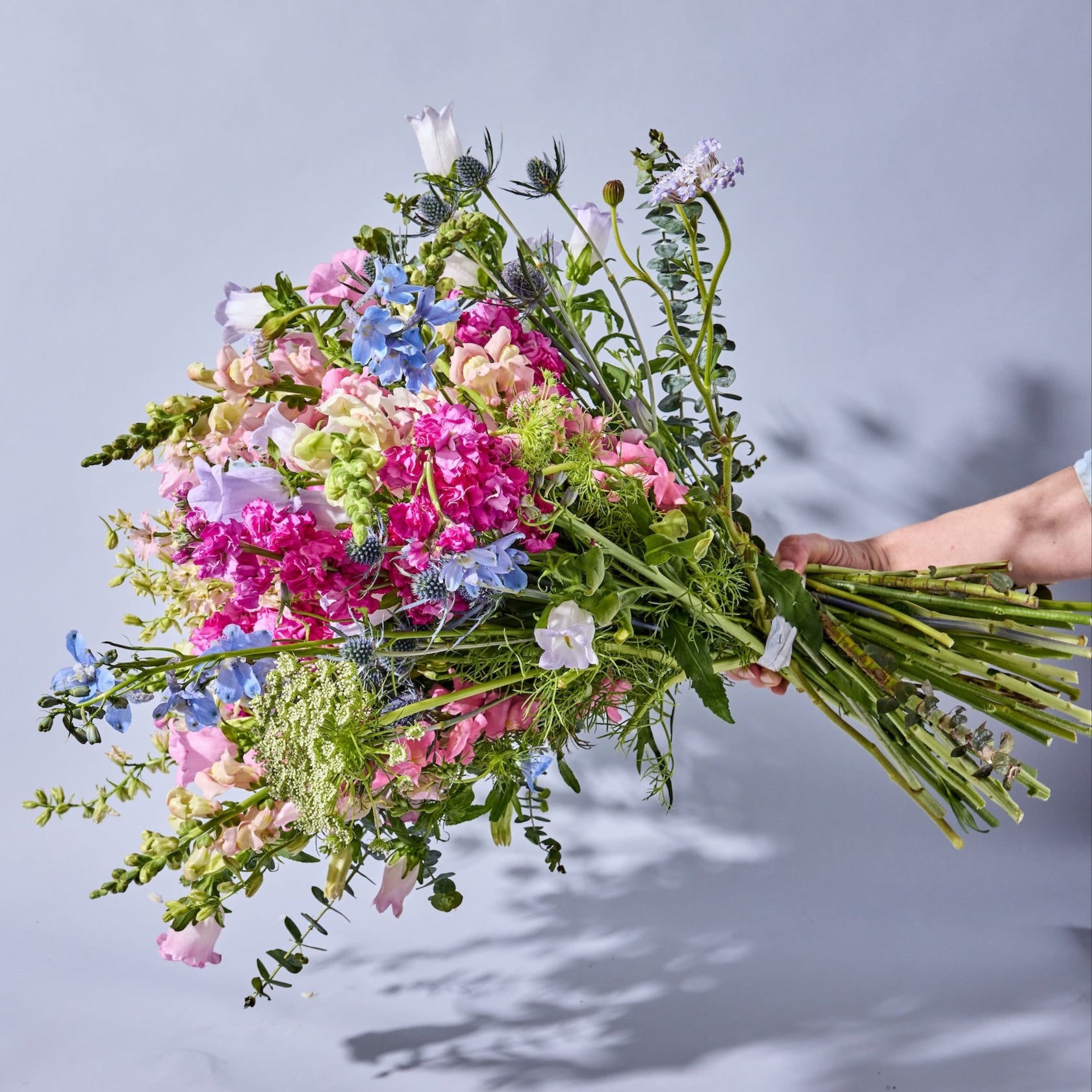
If you choose to bring some flowers inside to enjoy, the best time to cut a stalk for maximum vase life is when 1/3 of the florets are open and the remaining florets are still in bud-form; these will continue to open in the vase. Change the water regularly and re-cut the stems every couple of days – the use of floral food will also prolong the vase life. Delphinium flowers are sensitive to ethylene gas, which is emitted from ripening fruit, so keep the vase well away from any bananas on your counter. If kept somewhere cool and out of full-sun, delphiniums will regularly last well over a week in the vase. We encourage everyone to try delphinium in their garden; there really is no alternative to that electric blue that is so hard to find elsewhere in nature.

1 comment

Marsha

Marsha

When can I order plugs of delphiniums plugs for fall planting, as they are now sold out?

When can I order plugs of delphiniums plugs for fall planting, as they are now sold out?

Leave a comment

This site is protected by hCaptcha and the hCaptcha Privacy Policy and Terms of Service apply.