growing guide

Dianthus

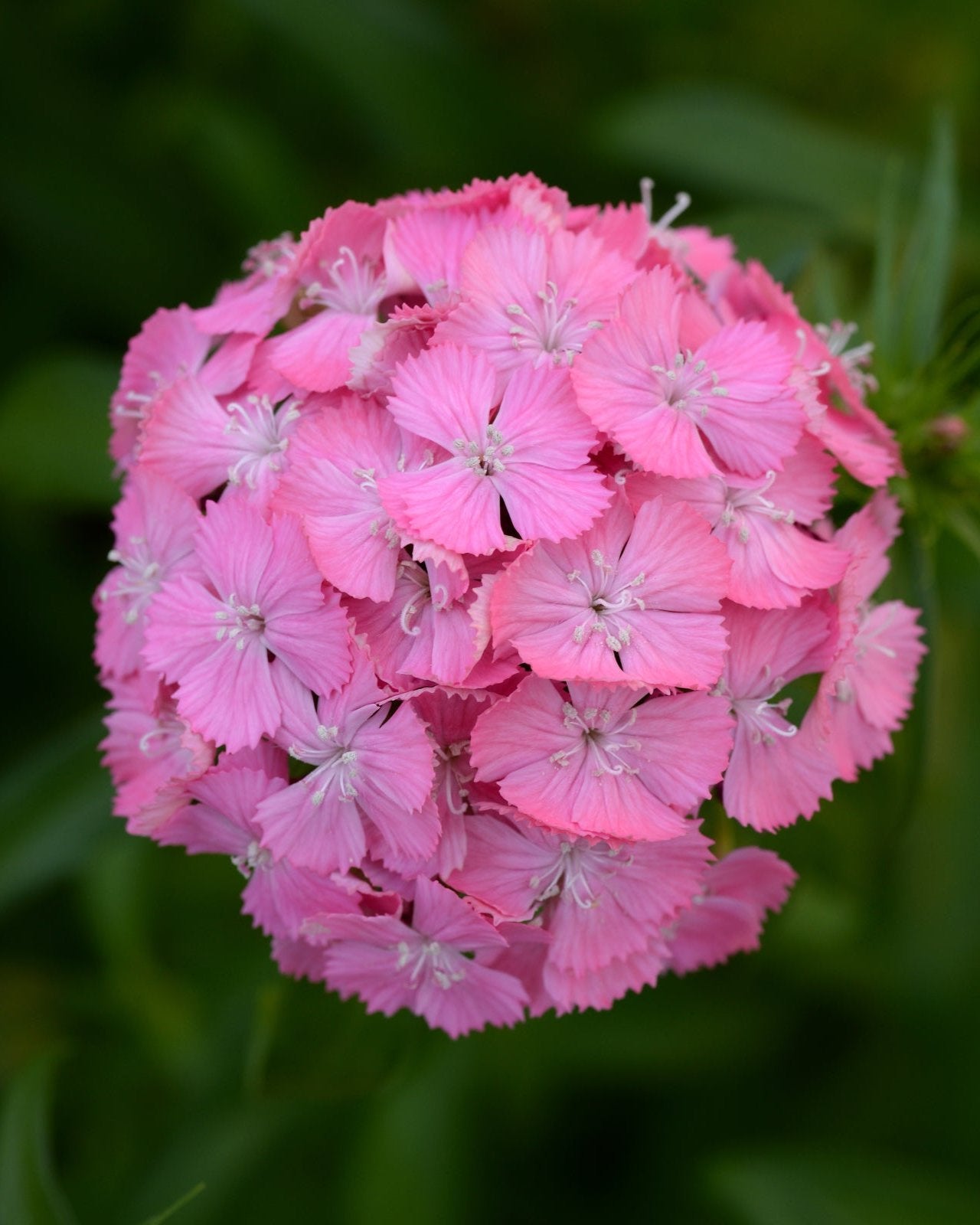
Dianthus are a relative of Carnations (Caryophyllaceae), though smaller and appearing as sprays or globes of small flowers with ray-like petals. Both D. barbatus types and interspecific hybrids can display flowers of different colors on the same plant. The life cycle of Dianthus is dependent on its variety; they occur as biennials, short-lived perennials, and annuals. Dianthus barbatus is hardy from zones 3-9 and is a good candidate for fall planting in those zones.

growing guide

preparation

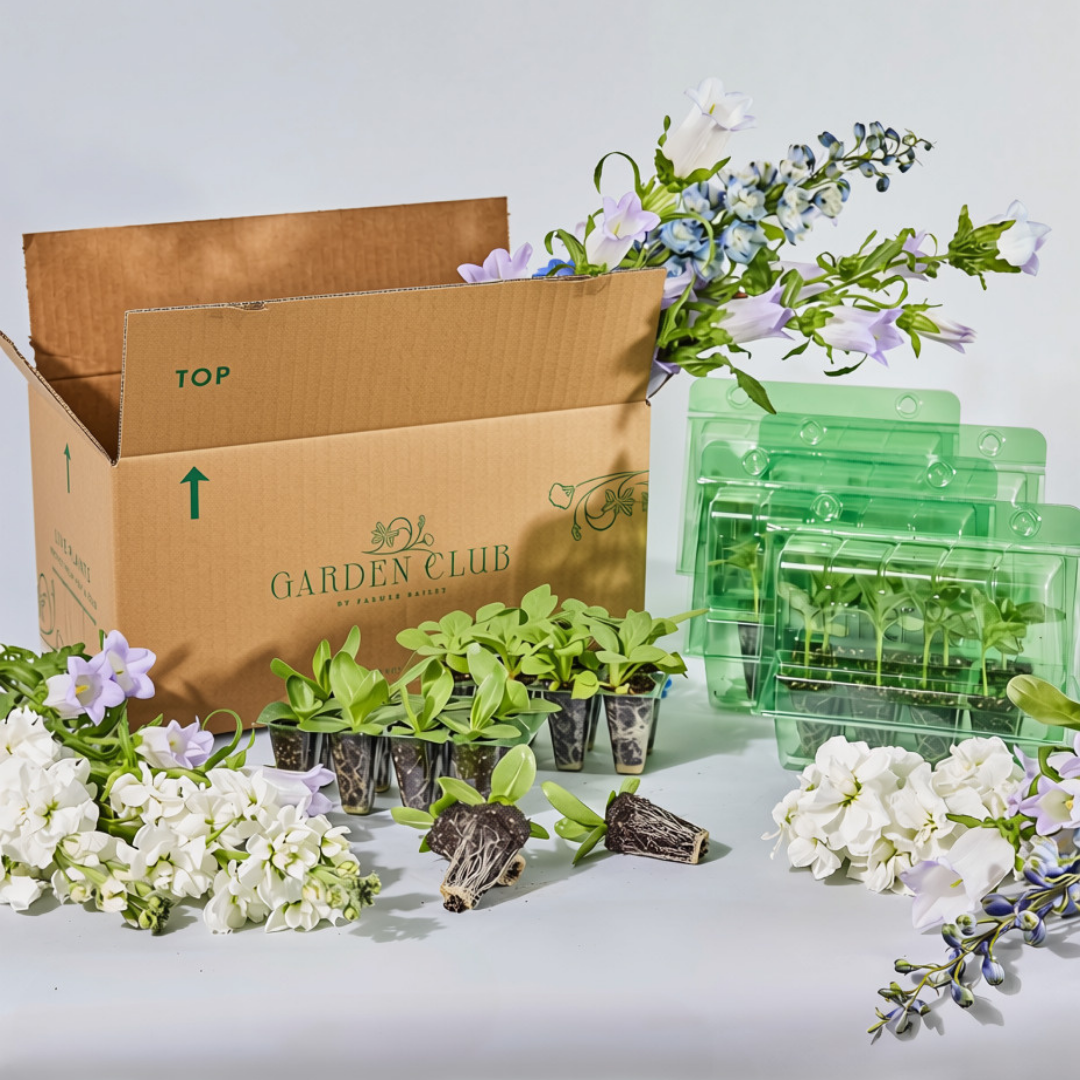
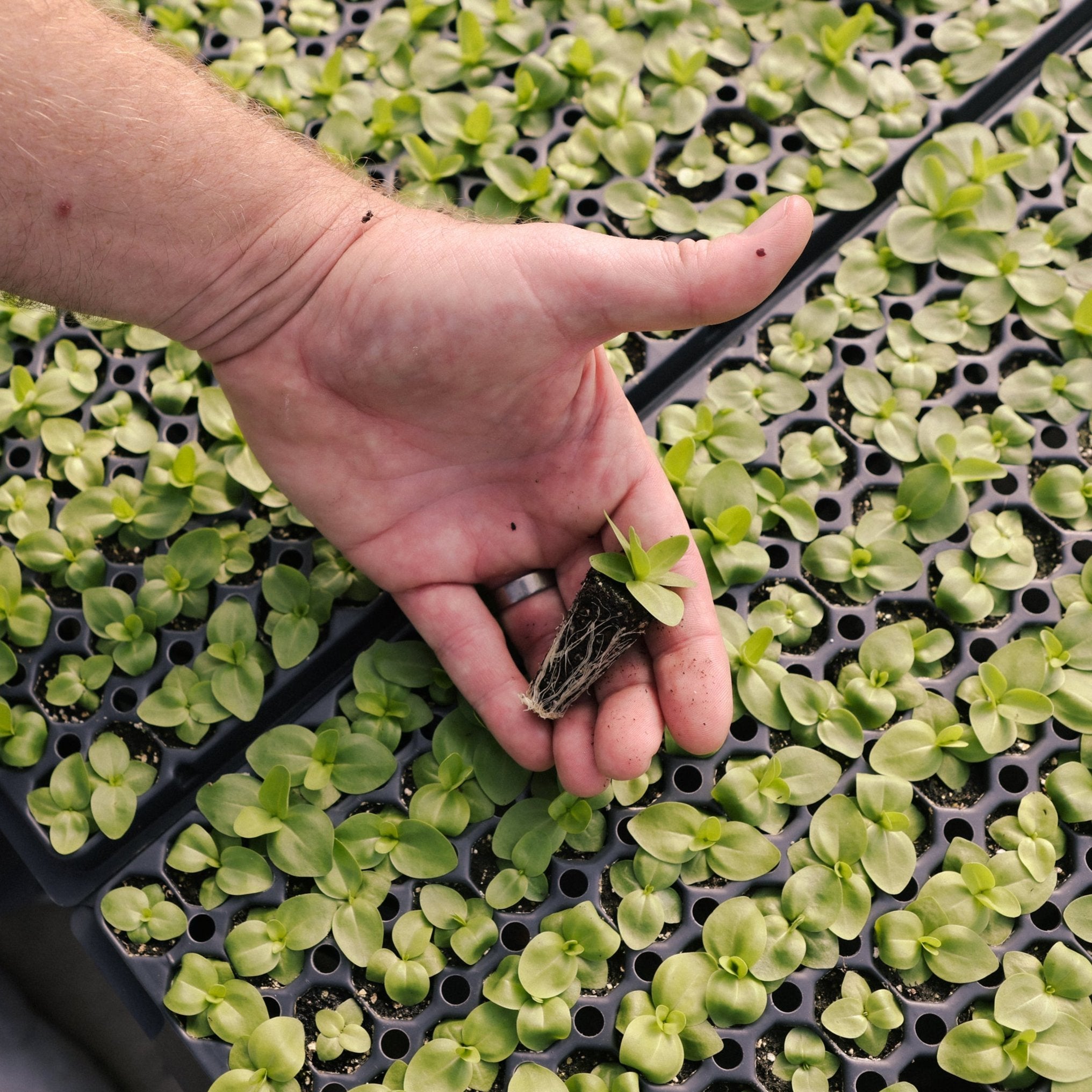
Unbox, water immediately, and harden off your plugs soon after you receive them. If exposed to stressful conditions like drought, high heat, or root binding, the plug plants may flower prematurely. The best time to plant Dianthus depends on the variety, but they all prefer full sun and loose, well-draining soil of neutral pH. Electron, Messenger, and Super Duplex are all true biennials, which means they need to be planted in the fall and overwintered to bloom the following spring. Sweet and Amazon are first year flowering varieites that should be planted early in the spring season, up to a month before your last outdoor frost. The cool weather helps them establish their roots and bulk up; flowering will begin once warmth sets in. Though they like cool conditions, you will need to protect the young plants from heavy frosts by planting under row cover like Agribon. Dianthus are long-day plants and will bloom early in the season when days are at their longest.

growing guide

Growing

Give Dianthus about 10 to 12 inches of space between each plant. It is not necessary to pinch Dianthus. You can expect flowers in the early to mid-summer, but this is dependent on weather and temperature. Avoid using high nitrogen fertilizers at the time of blooming; add calcium nitrate to your feeding routine to prevent leaf tip necrosis (dead leaf tips) that result from poor calcium uptake. Aphids are the most common pest of Dianthus, so watch out for their appearance on tender young leaves and growth tips. Long periods of high humidity or wet foliage can result in rust or powdery mildew affecting the plants, but proper spacing to allow airflow and copper fungicide will combat these fungal diseases.

growing guide

Cut Flower tips

To use Dianthus as a cut flower, harvest when 15-20% of florets have opened on the inflorecense; the rest of the buds will continue to open in the vase. Place cut stems in cool water right away after you cut, and add a floral preservative like FloraLife to extend the vase life to up to two weeks! Dianthus can also be held in a cooler for week if you don't need them right away.

Leave a comment

This site is protected by hCaptcha and the hCaptcha Privacy Policy and Terms of Service apply.