growing guide
Didiscus
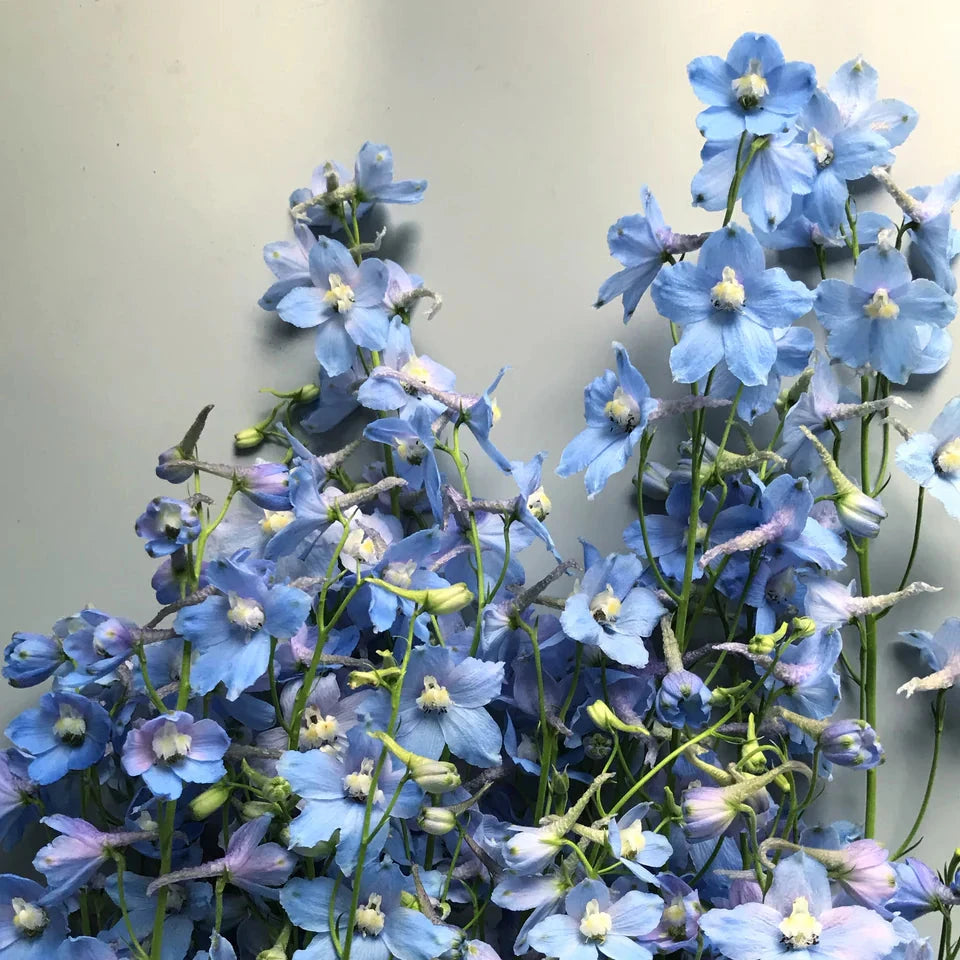
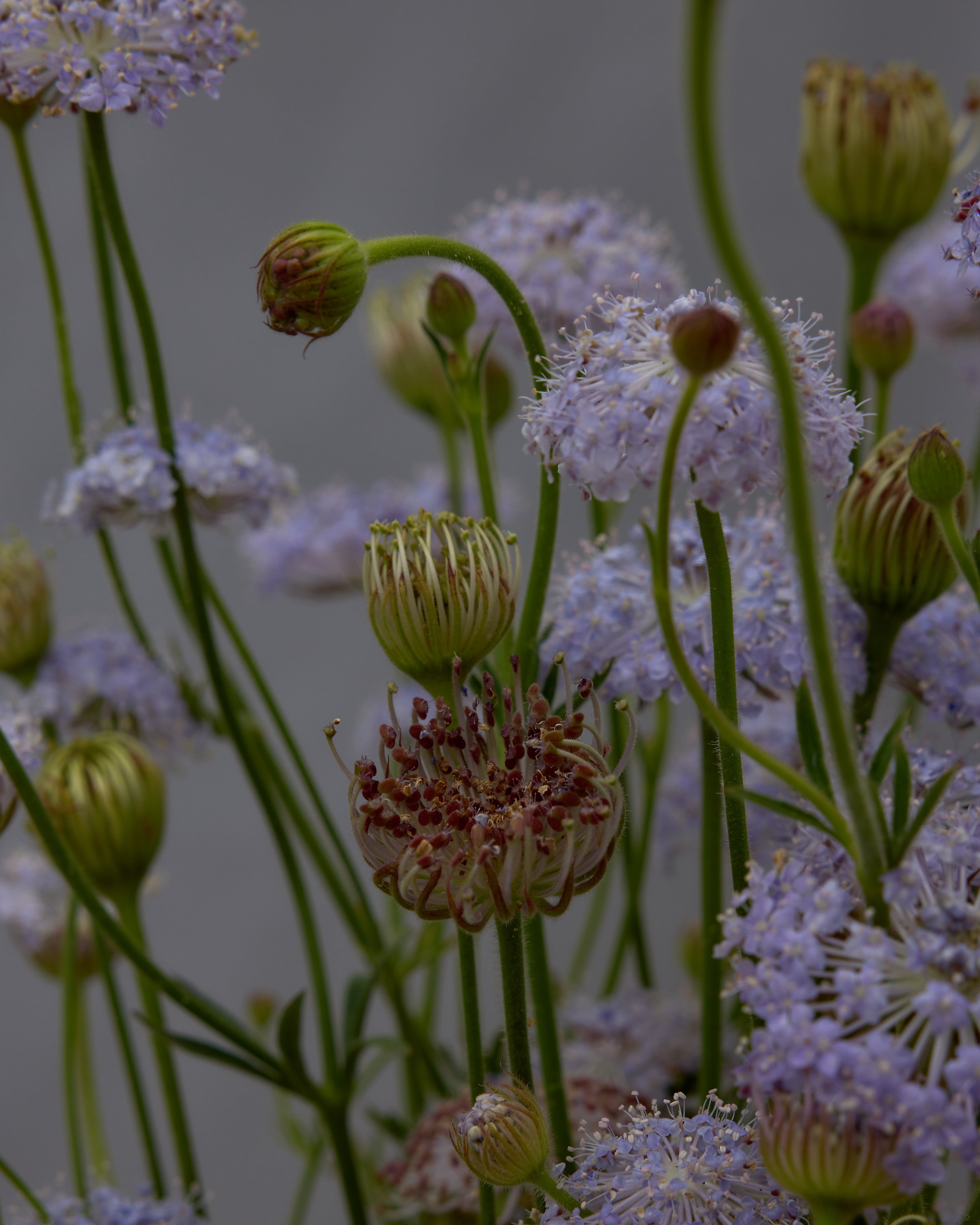
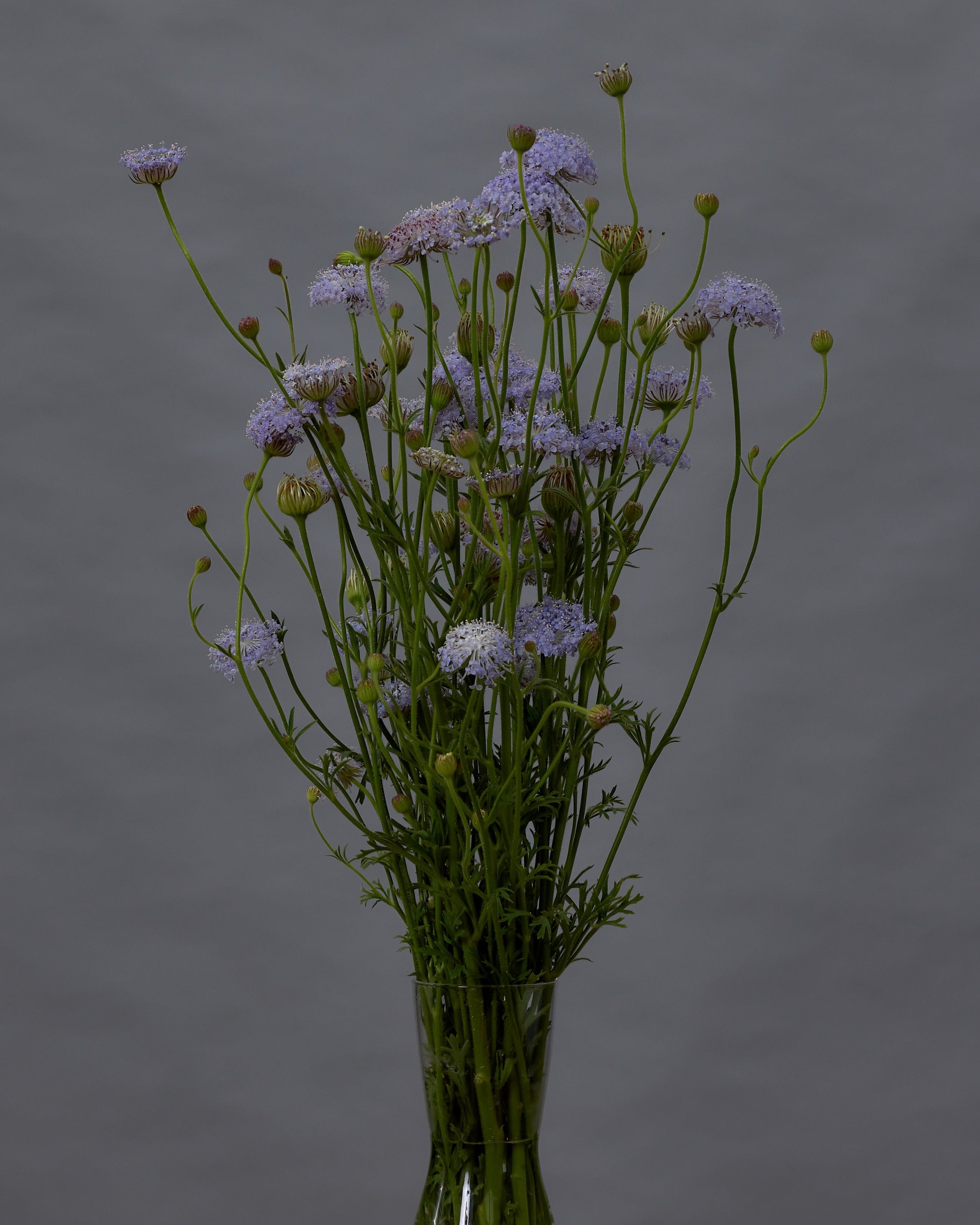
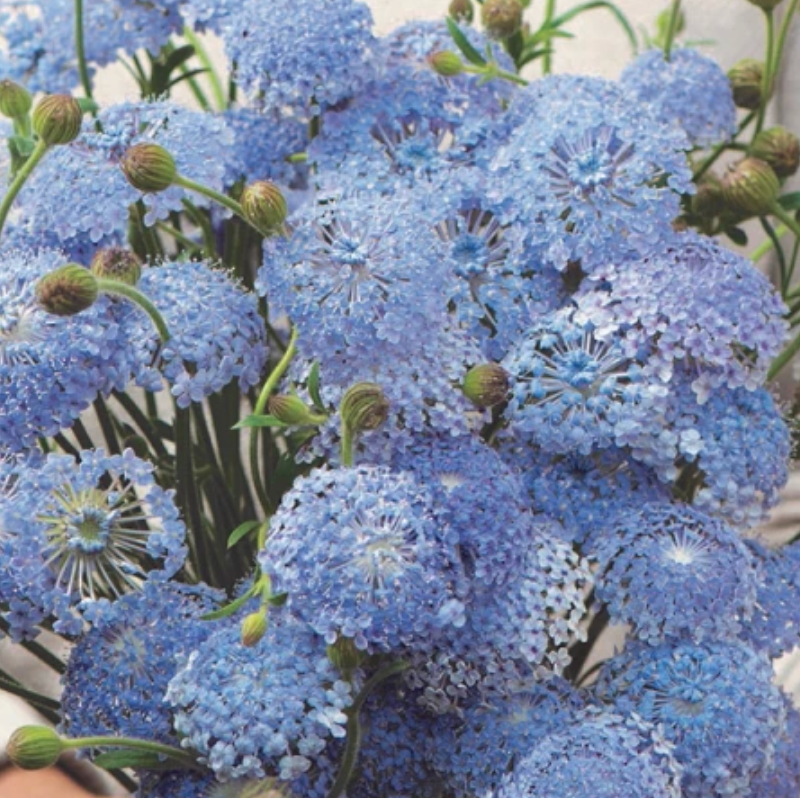
Blue is the rarest of all flower colors, and its novelty among plants and animals makes it all the more pleasing to regard in both the garden and floral designs. Didiscus' cool shade seems to borrow its blue from the sky itself in the form of lace-like, airy umbels on long, wispy stems. Better know as lace flower, Didiscus' botanical name is Trachymene coerulea, of the family Araliaceae.

growing guide
preparation
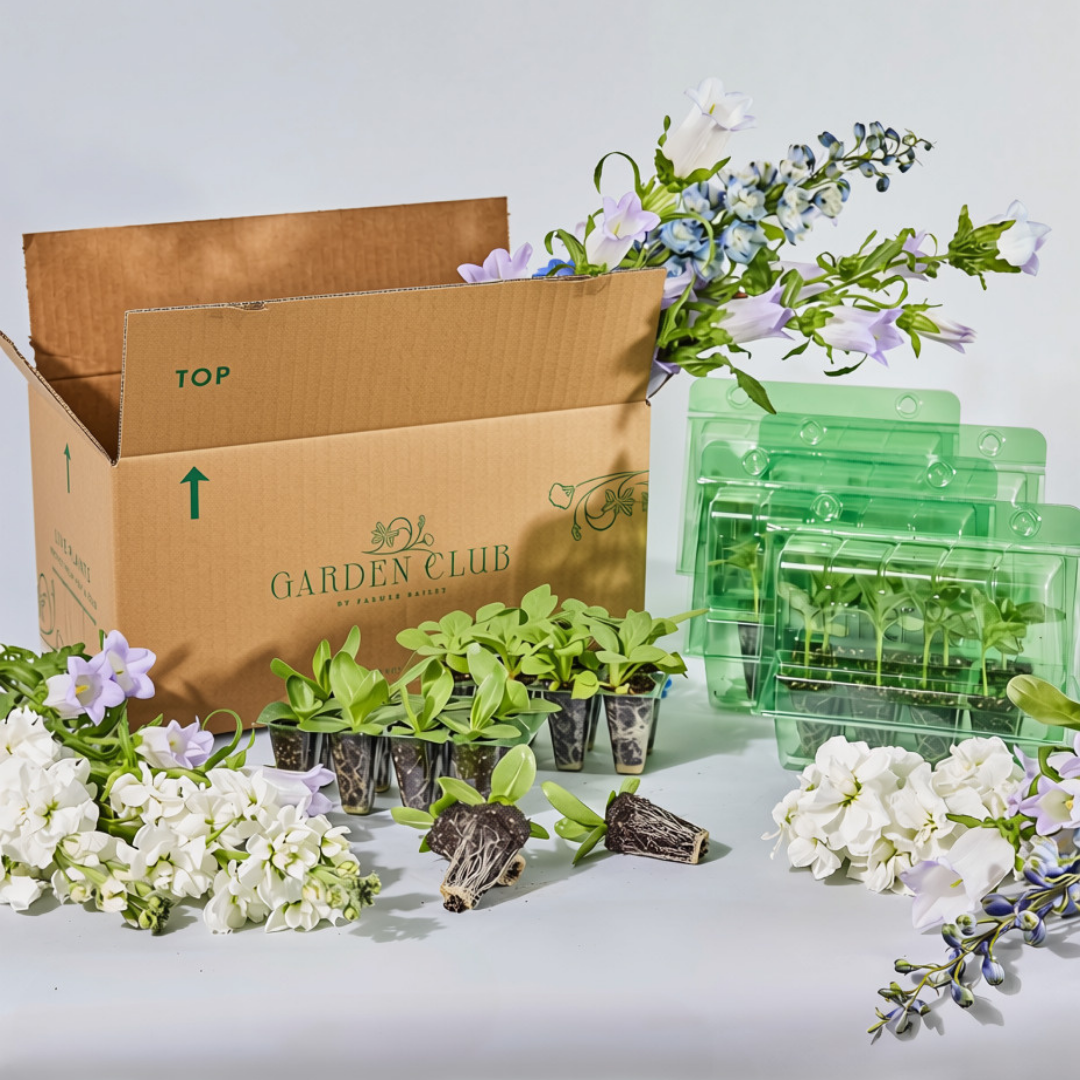
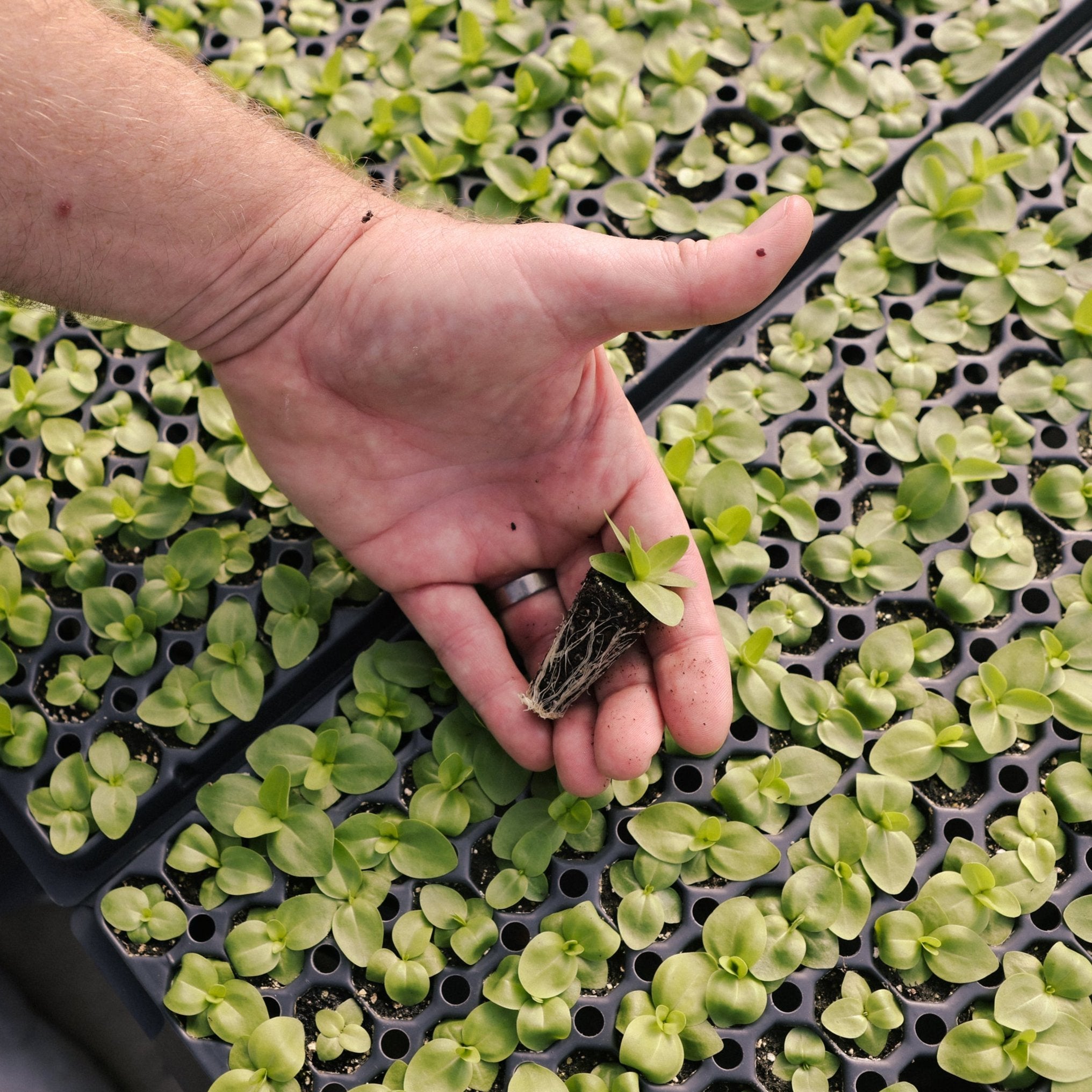
Harden off and transplant Didiscus plugs soon after you receive, unbox, and water them. They will benefit from gentle handling upon transplant, as root disturbances can hinder their growth and make them susceptible to transplant shock. Once transplanted, keep the young plants well watered while they establish their roots in the ground. The plants will tolerate a wide range of soil pH and nutrient levels, but perform best in loose, free-draining soil. Amend the bed with compost prior to planting. The best time to plant in cold-winter climates is in the spring, protecting the plugs from frost. They prefer cool, frost free temperatures. In a temperate or sub-tropical climate, plant Didiscus in the fall or winter while temperatures stay cool. This is a daylength neutral plant that should be planted in full to partial sun - if they are planted in full sun in a hot climate, the petals may brown on the plant.

growing guide
Growing
Plant Didiscus plugs 8 to 12 inches apart to allow enough room for their branching habit. Once the plants are about 8 inches tall, pinch them once to encourage the the side branches to grow. More branches means more flowers and a longer blooming period! When the plant is happy, it should bloom 80-90 days after transplant. This species is a wildflower in its native Australia, and is drought tolerant after it is established - be sure to give it plenty of water while it is young. Pests generally ignore this plant! Keep the flowers deadheaded and it should flower continuously through the season.

growing guide
Cut Flower tips
To use Didiscus as a cut flower, you can approach the plant two ways: harvest individual flowers as they become mature. They should be fully open flowers around the edge of the umbel, and a tucked center that will bloom for you in the vase. Once you have cut the first one or two blooms, the rest of the plant will bloom in unison, making for multi-branched cut stems or a fabulous show in the garden for weeks to come. Either way, do not miss out on Didiscus!