Growing Guide

Digitalis (Foxglove)

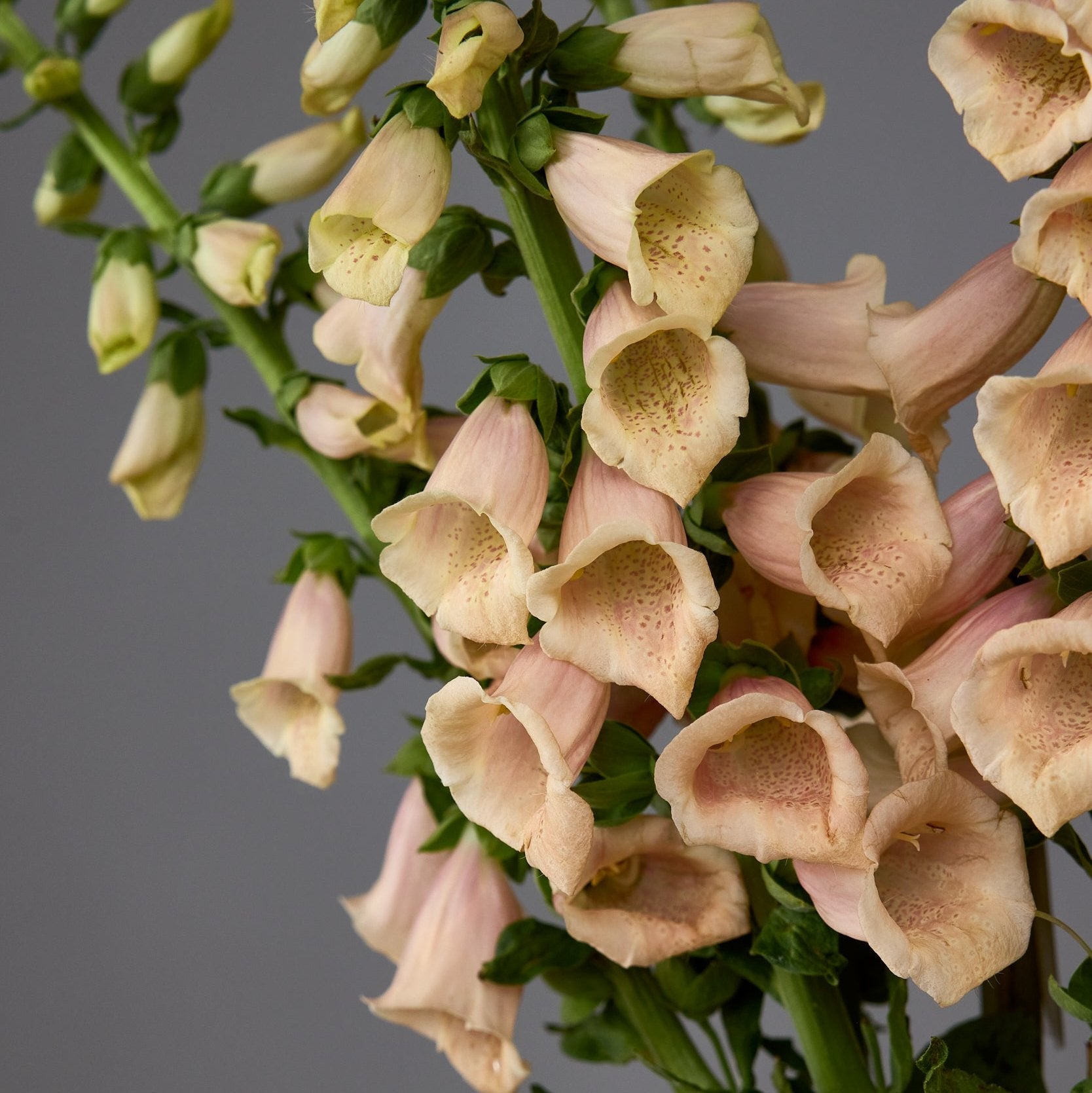
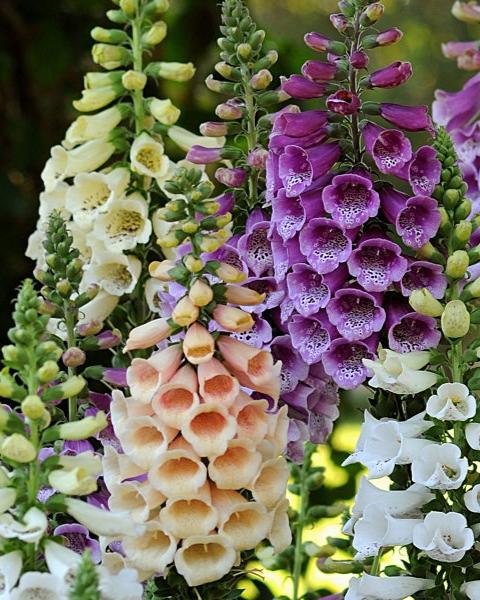
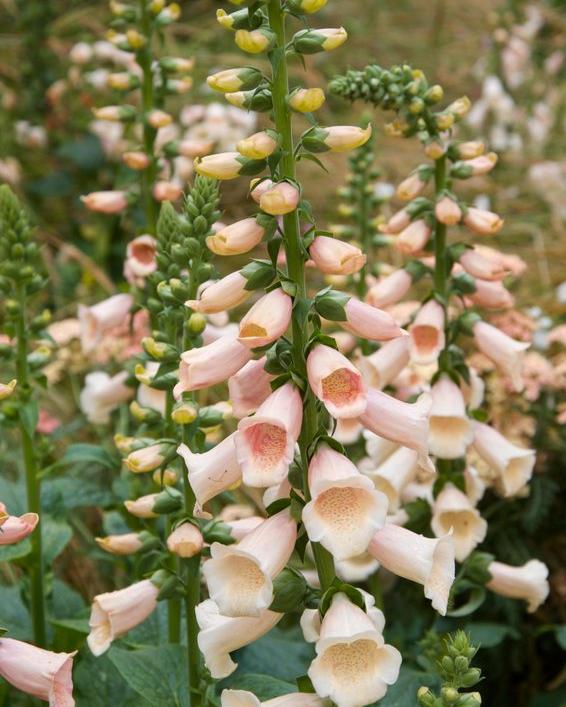
A cottage garden classic, Digitalis flower in tall spires of downward-facing bells which look like something straight out of a fairy-tale. Typically referred to as Foxglove, the genus Digitalis contains many species; most modern cultivars are D. purpurea or hybrids, but a few other species such as D. lanata are commonly grown and available through our catalog. Follow along with this guide for general care and growing advice for all varieties offered through Garden Club. Digitalis are typically considered biennials, forming a rosette of lush green leaves in the first year and sending up flower spikes, completing the life cycle, in the second year. Thanks to modern plant breeding, we now have two cultivars (Dalmatian and Camelot) which will flower in the first year and are often grown as annuals. Please see the individual product descriptions for specific information on whether a variety is a true biennial or if they flower in the first year. Biennial types can be planted spring through early fall in USDA hardiness zones 5-9 for flowers the following year, and annual types can be grown across the country.

growing guide

preparation

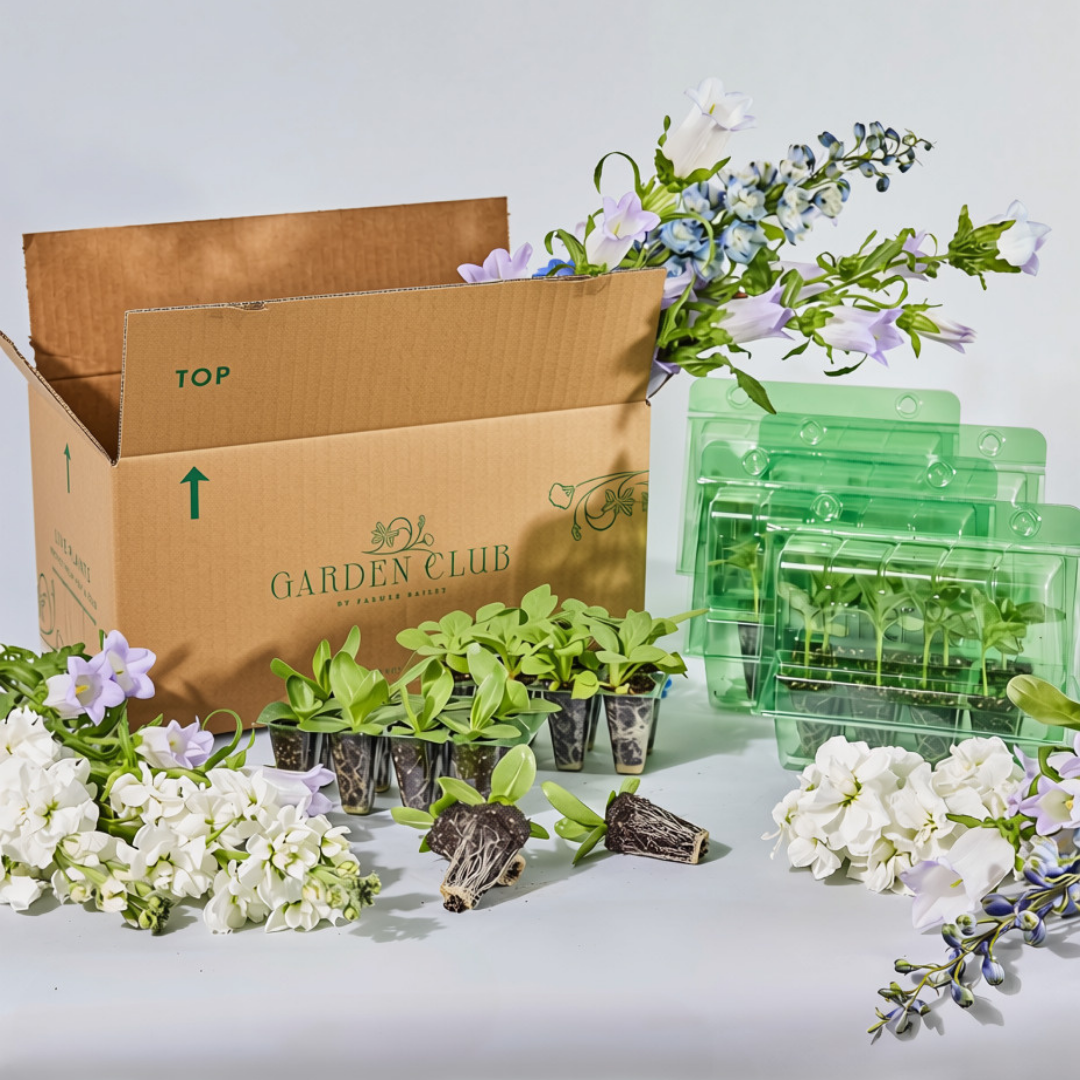
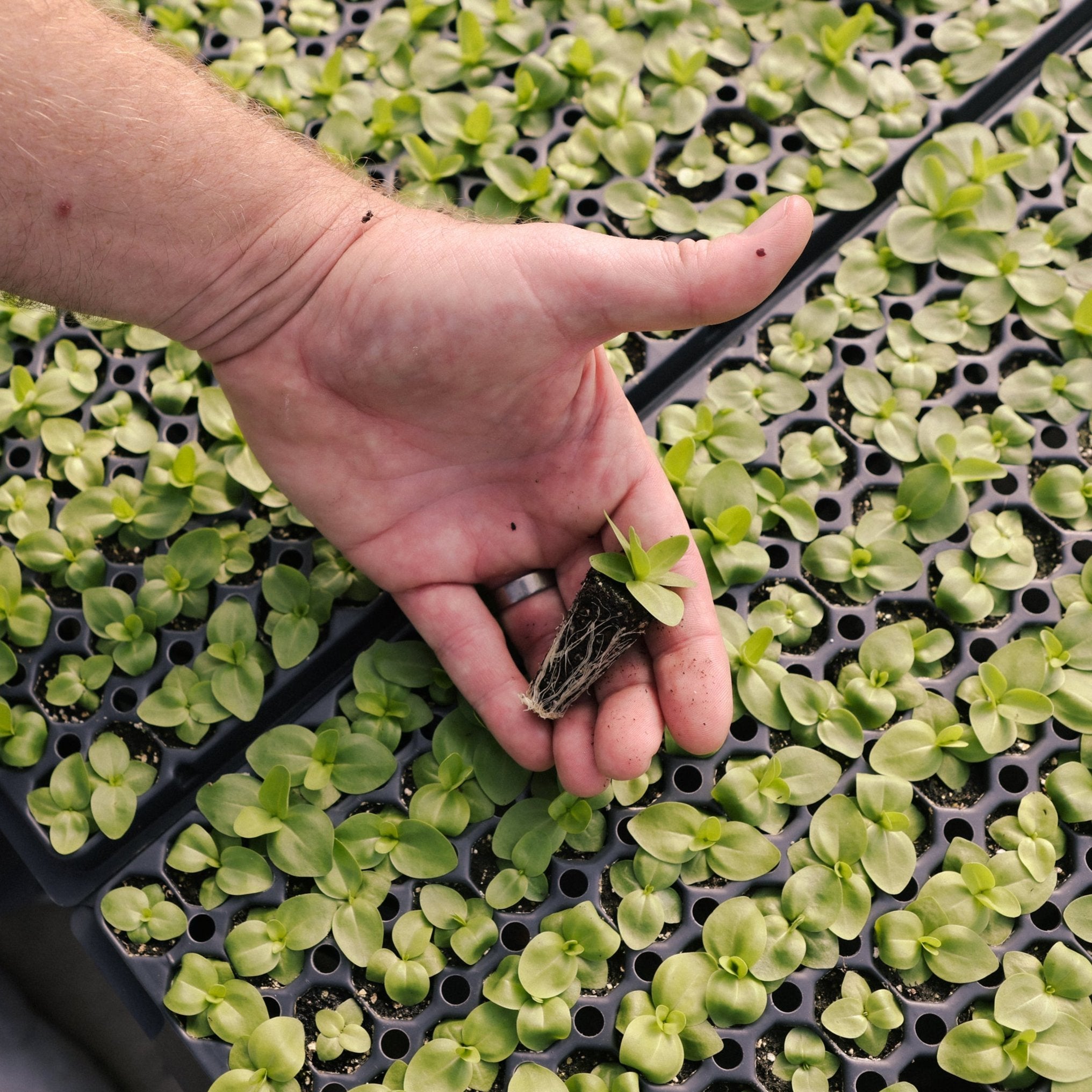
In cold zones (USDA zones 3-5) you might have better success spring-planting, in hot zones (USDA zones 9+) you should plan to fall-plant and grow through the winter months. In the goldilocks zones (6-8) you can plant whenever you want, and the plants will flower eventually. Digitalis plugs are best ordered for delivery during the cooler months of spring and fall – harden off the plugs upon arrival and plant out as soon as possible. The plugs should not be left in the carrying tray any longer than necessary as they can become rootbound or stressed due to over or under-watering quite easily. Plant into loose, well-draining yet moisture retentive soil that is high in organic matter. We suggest amending the soil with compost and a slow-release or pelleted fertilizer prior to planting, and water regularly with a balanced water-soluble fertilizer during active growth to help the plants achieve their full potential. Space the plants 12” apart or further to allow for adequate air movement around the plants (which decreases the risk of fungus affecting the leaves) and expect the plants to reach 2-4 feet in height depending on variety. Plant in an area that receives full sun – in southern areas with extreme sun exposure, partial shade is welcomed.

growing guide

Growing

Staking is not usually necessary but can be beneficial for taller biennial types, especially in areas with high wind. Pinching is not necessary with these plants – they naturally form a rosette of leaves and will send up one or more flower spikes – cutting the spike to enjoy in the house or deadheading the entire spike after the blooms fade will encourage the plants to send up an additional flush of blooms. Watch for typical plant pests such as aphids or thrips, which love to eat the pollen and are often found hiding in the nodding open blooms. Digitalis plants are typical resistant to most plant diseases or fungus although powdery mildew is possible during long periods of high humidity and damp conditions. Please note that all parts of this plant are poisonous and should not be ingested by people or pets; however, this should not scare you as many ornamental plants commonly found in gardens across the country are toxic and should simply not be consumed.

growing guide

Cut Flower tips

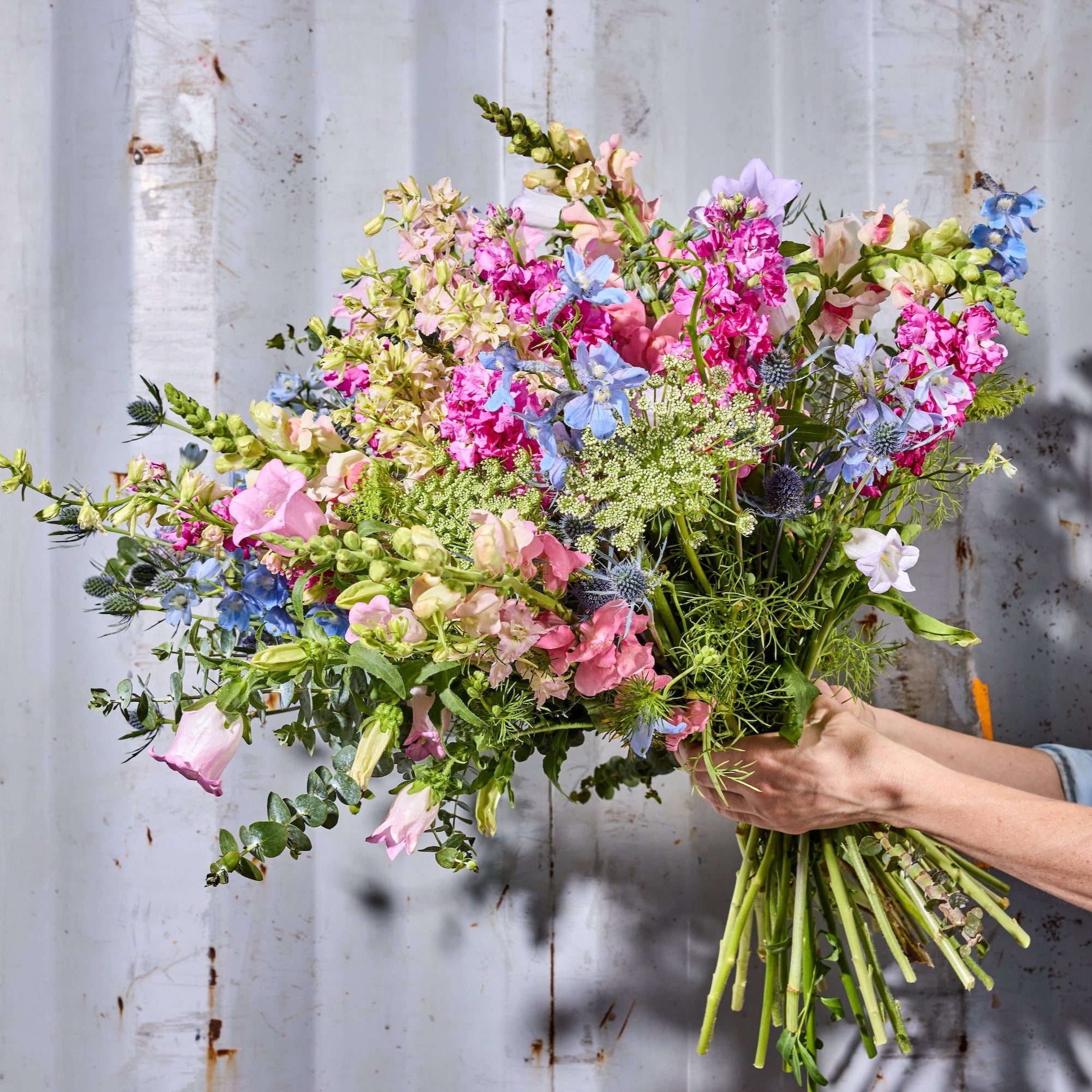
Foxglove make a stunning cut flower, either alone in a vase or tucked into an arrangement with other flowers where their tall, arching stems add movement and whimsy. They should be cut when about 1/3 of the flowers are open and the rest are still in bud form. When foxglove flowers are pollinated by bees it shortens their vase-life as those flowers will drop off shortly after pollination occurs. Cut stems early in the morning or later in the evening when plants are most hydrated, and immediately place freshly cut stems into cool, clean water. To increase vase life, change the water frequently and re-cut the bottoms of the stems with each water change. The use of a floral food will help keep the blooms in peak condition and be sure to keep the vase away from any ripening fruit which release ethylene gas. To have a steady supply of digitalis cut flowers all season long you could try succession sowing annual types, which involves planting plugs at multiple times throughout the season for staggered blooms – one succession in the fall for early spring blooms, one succession in the spring for early summer blooms and one succession in mid-summer for fall blooms. Biennial types will often reseed themselves in your garden for a constant supply of blooms for years to come; if this is undesirable, simply deadhead stems before the seeds mature and fall.

Leave a comment

This site is protected by hCaptcha and the hCaptcha Privacy Policy and Terms of Service apply.