growing guide

Dusty Miller

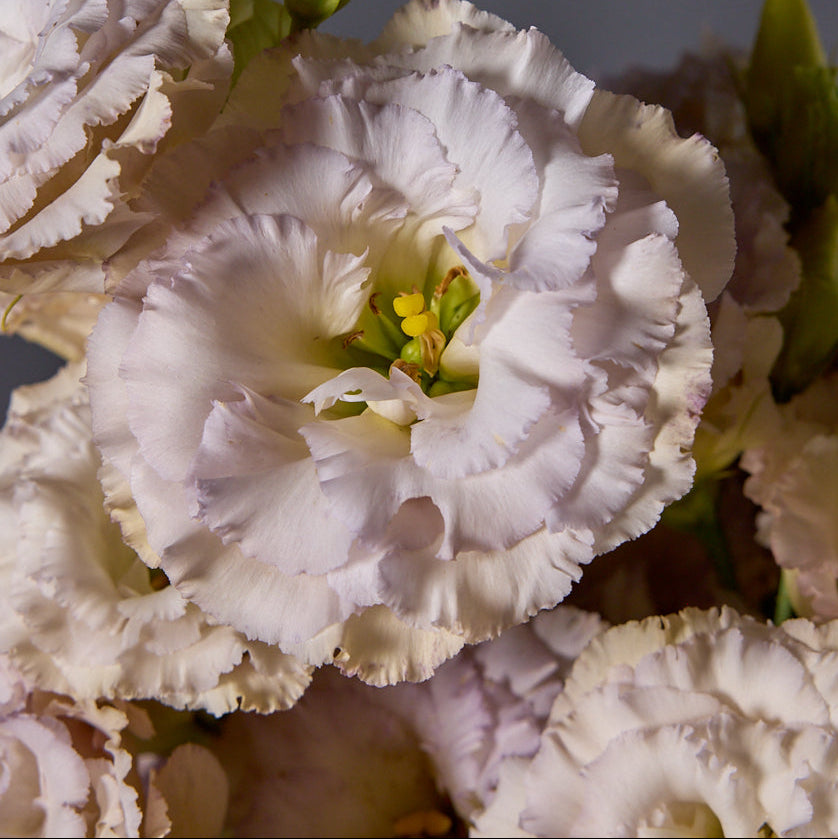
Elegant yet sturdy, soft yet a little spooky, prolifically blooming, long lasting, and unique in color and texture, Dusty Miller (Jacobaea maritima) checks all of our boxes! A member of the Asteraceae family, it is native to the Mediterranean, making it a tender perennial to growers in warmer zones (8+, and maybe even a zone or two cooler) and an annual to others. Long stems of soft, silvery leaves make this a must-grow foliage in any garden, enjoying a prominent place in your borders or containers

growing guide

preparation

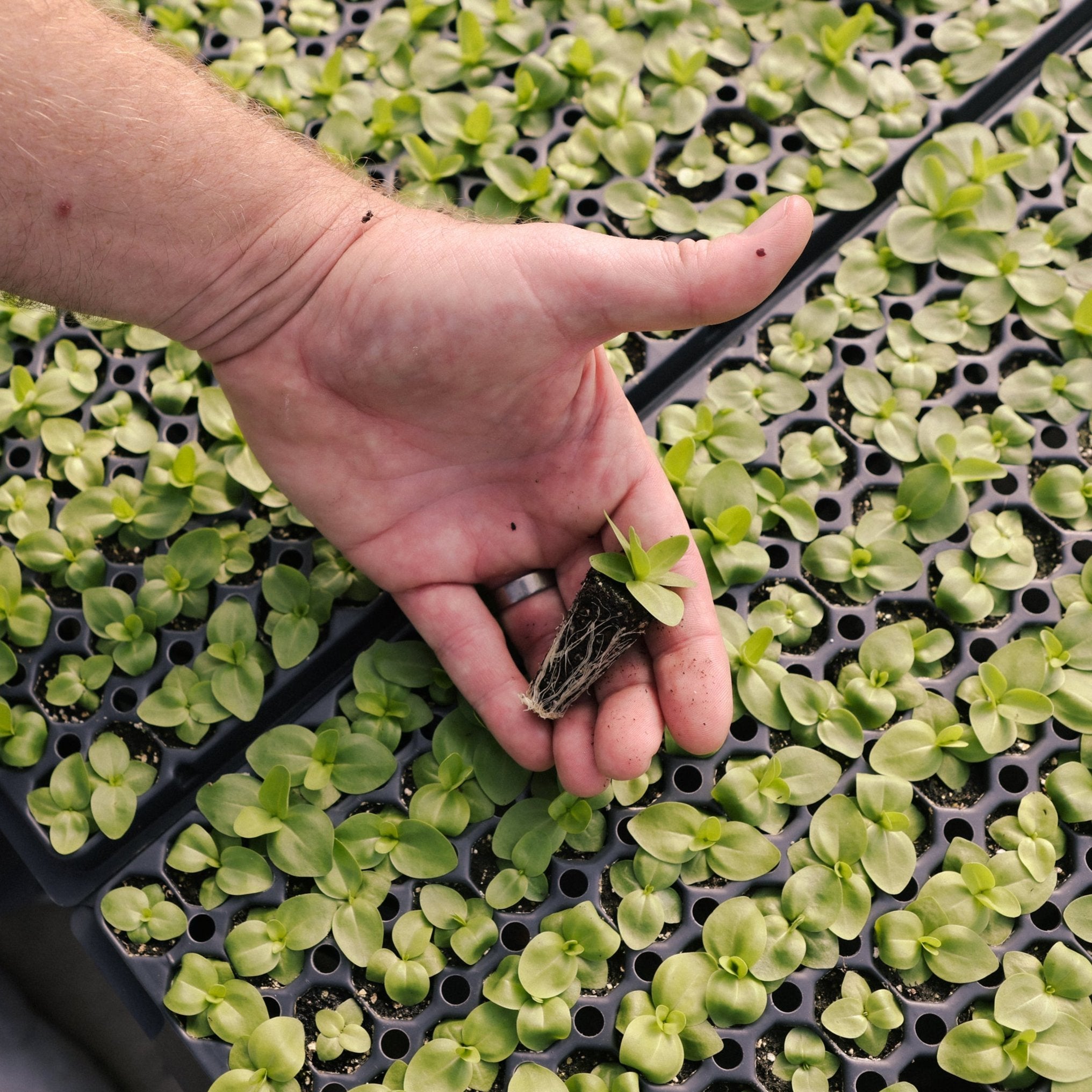
Dusty Miller doesn't mind growing in temperatures as low as 40F, and can handle a very light frost, and may be planted two weeks before your last frost, or anytime thereafter. Harden off and plant plugs shortly after arrival so that they don't become rootbound. Plant in loose, well-drained soil (this is essential), and keep them well watered while they are establishing. Some compost and list fertilizer would be appreciated.

growing guide

Growing

Although the young plants require ample watering while they are getting established, mature plants are quite drought tolerant, and don't require significant irrigation. If growing for cutting, spacing at 6-10" will promote increased stem length; but in the garden, feel free to give them some more elbow room. Pinching the plants a couple of weeks after transplant will initiate branching. There aren't many pests or diseases to worry about. Overwatering mature plants could lead to root rot, and overhead watering might produce some blemishes on the leaves.

growing guide

Cut Flower tips

You can expect to harvest your first stems approximately 90-110 days after planting, with warmer temperatures resulting faster growth. Cut the entire stem, which will contian multiple leaves. The more you harvest, the more stems it'll send out. Cut stems should be placed immediately into cold water for hydration, and the use of a floral preservative is recommended for increased vase life.Dusty Miller will overwinter in Zone 8 or above (it has been knows to survive as low as 6A, but don't count on it). It will generally flower in its second year, but the unremarkable flowers should be removed to allow the plant to devote all of its energy to its gorgeous foliage.

Leave a comment

This site is protected by hCaptcha and the hCaptcha Privacy Policy and Terms of Service apply.