growing guide
Eucalyptus
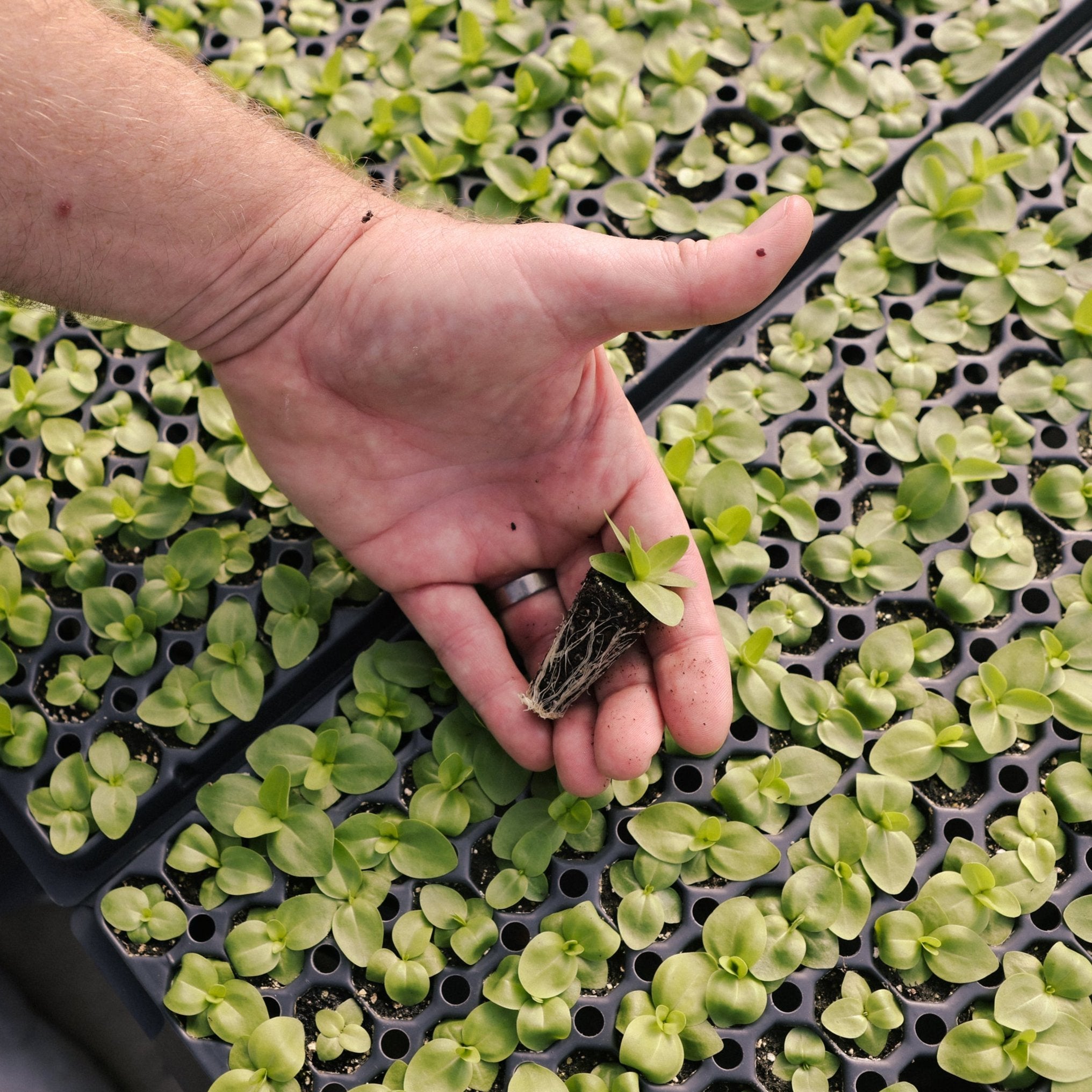
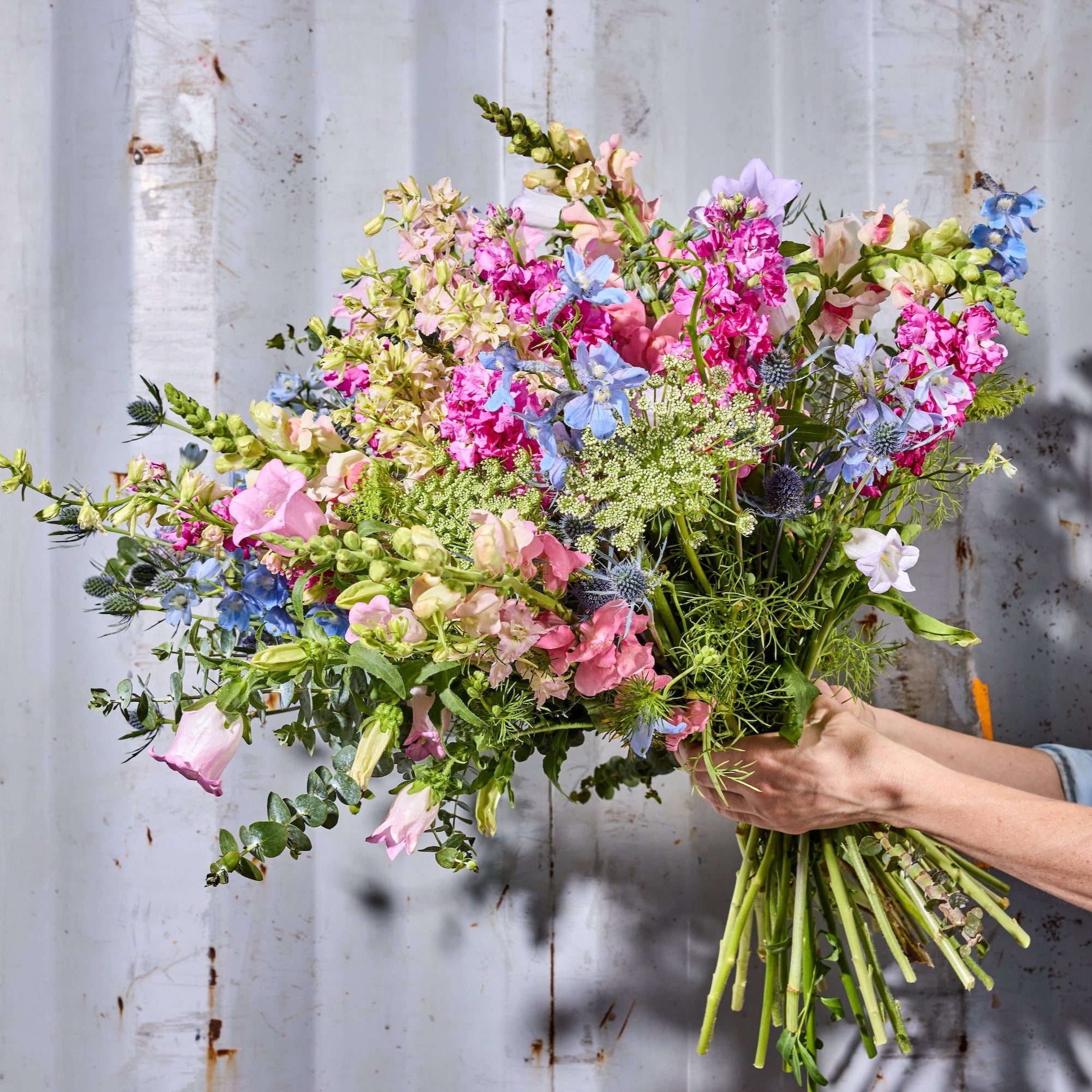
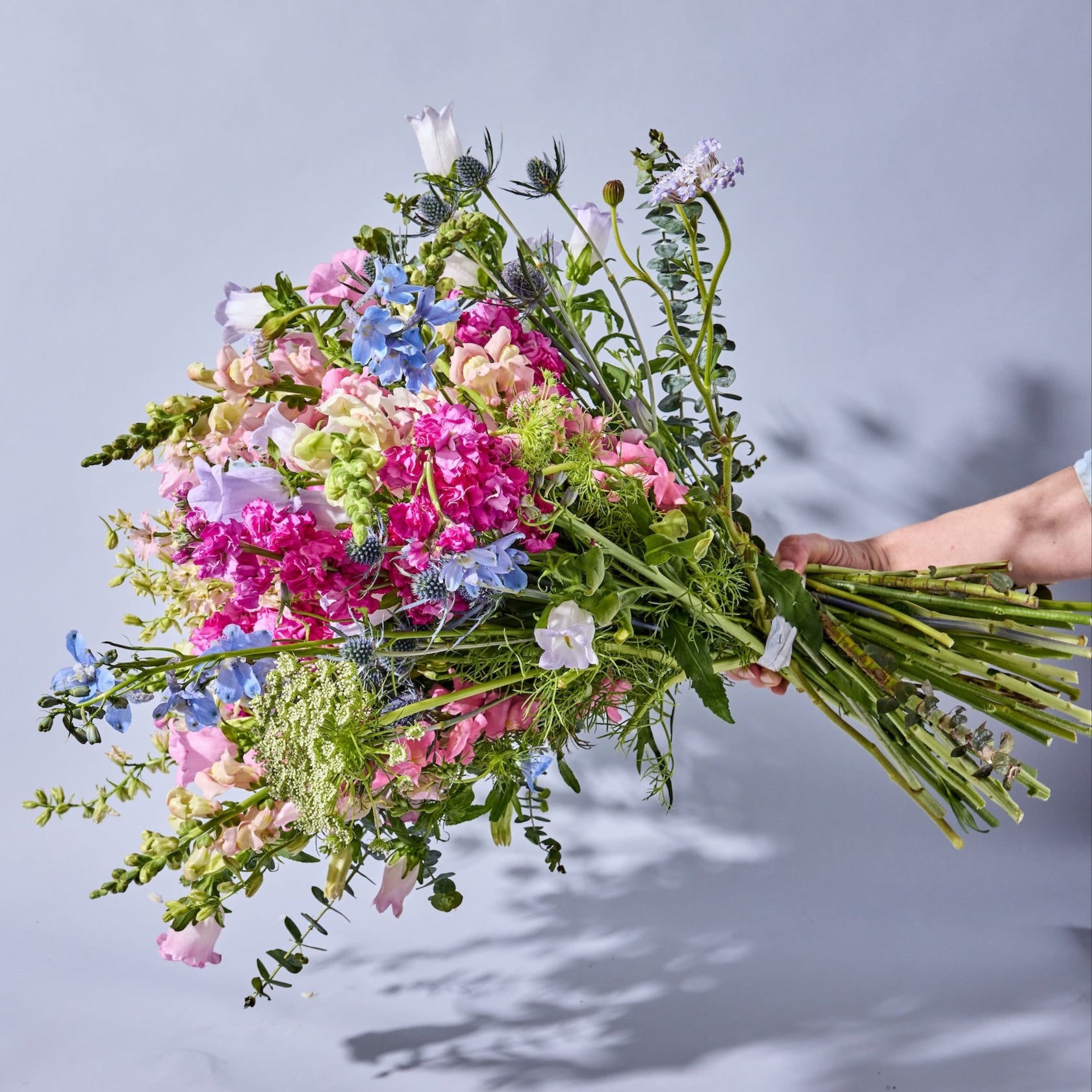
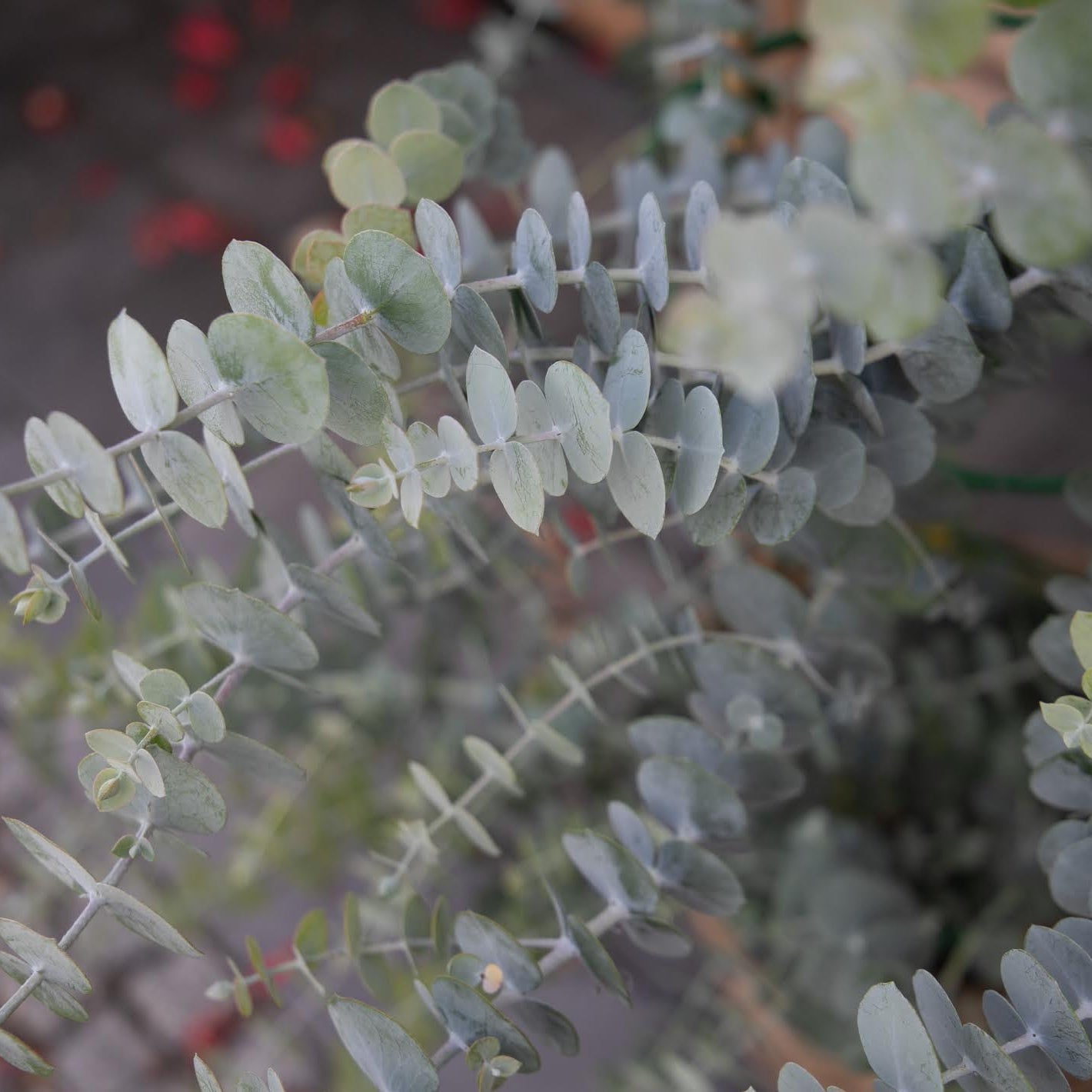
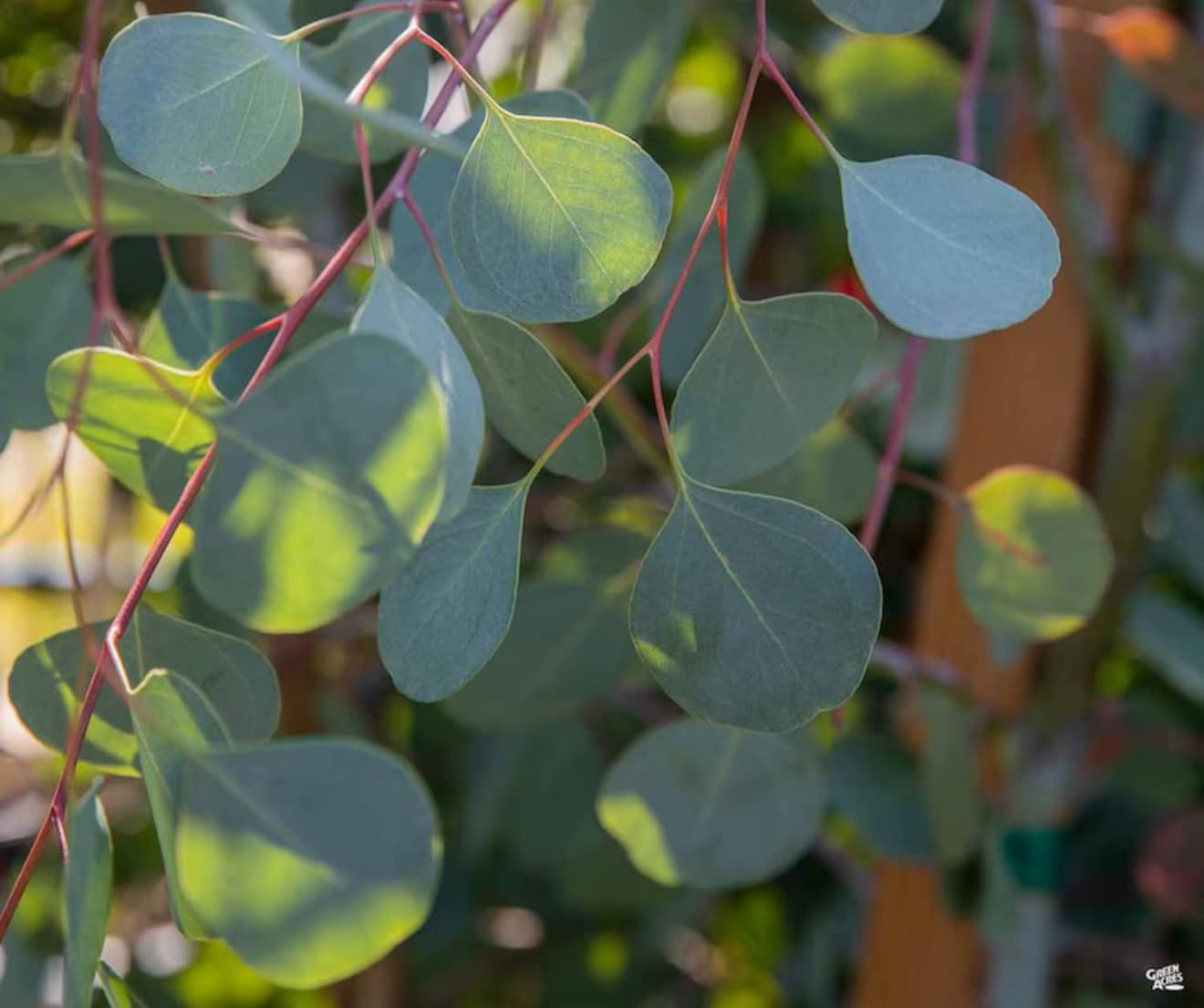
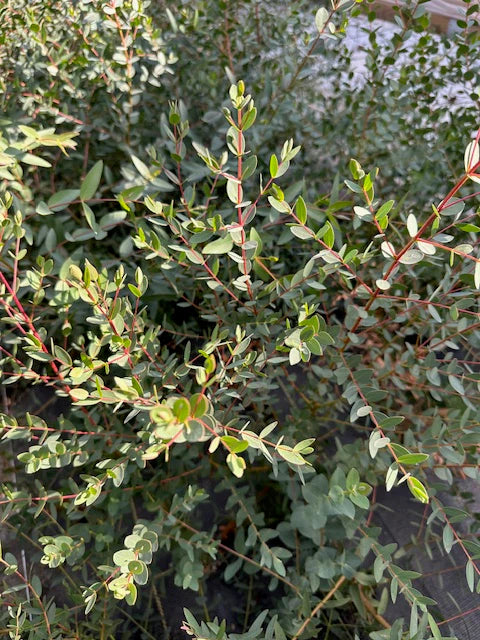
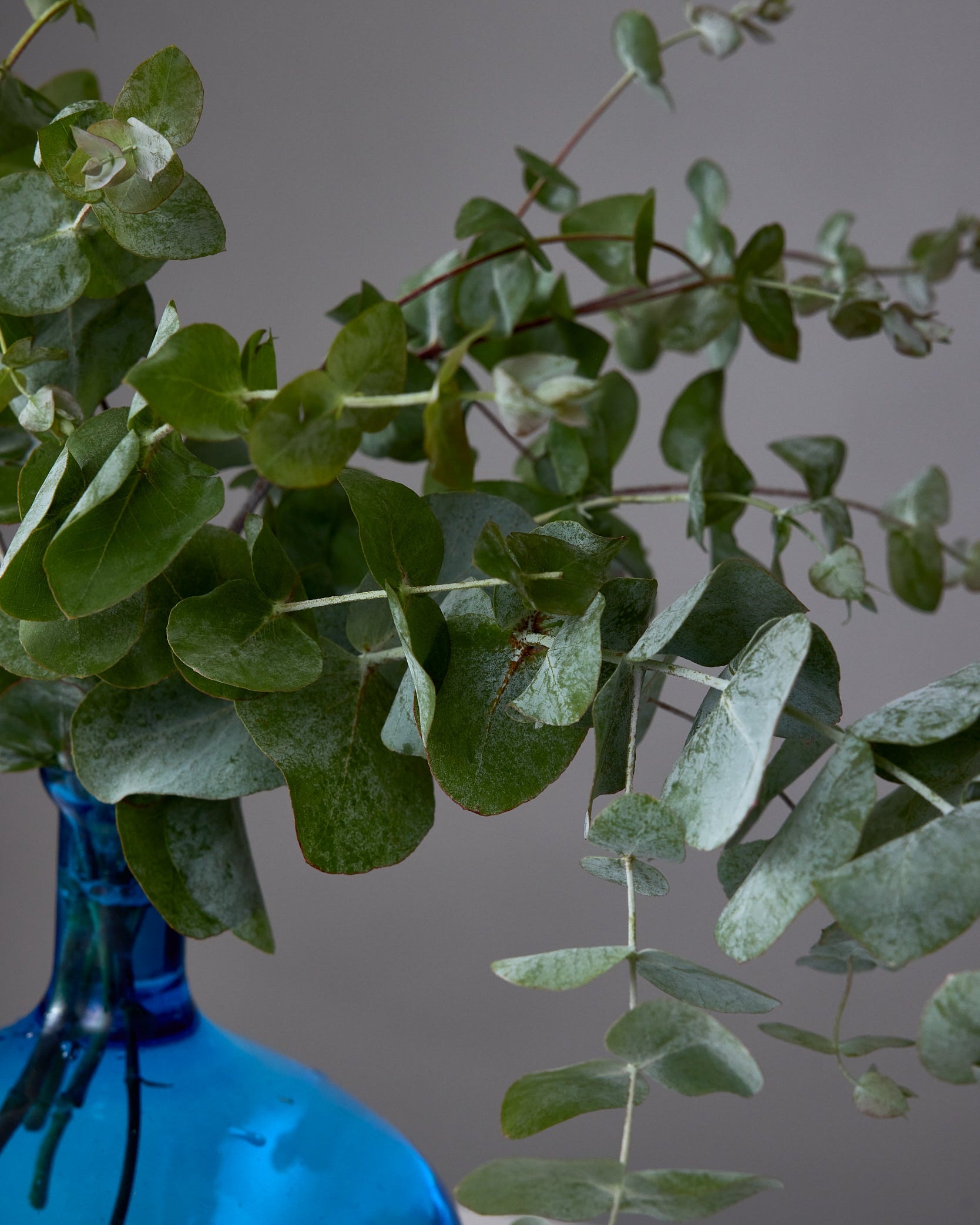
Eucalyptus are popular trees that are native to Australia, made famous for their strong scent and being the sole food source for the beloved koala bear. Did you know that you can easily grow it in your own garden as an annual in cold zones and as a hardy tree in frost free areas? We offer plugs of the species E. cinerea which is commonly referred to as Silver Dollar Eucalyptus, one of the more common cultivars used in the cut-flower industry. The silvery-gray leaves and classic eucalyptus scent are a welcome addition to any arrangement, pairing well with most color palettes. Even in colder zones where the plants will die in the winter, they can make a statement in a container or garden, reaching 4-5 feet in height in one season; cut the tall stems in the fall before frost and hang in your shower for a spa-like experience, the heat and steam releasing the oils and scent from the leaves. This plant really is versatile in it’s uses.

growing guide
preparation
Eucalyptus plants are not hard to grow, but they require a few basic conditions to thrive. As mentioned, they are native to Australia – a hot, largely arid country. They should be ordered to arrive after the threat of frost has passed, as eucalyptus will not actively grow until the air and soil have warmed. Even more importantly, the plugs need to be planted in well-draining soil. They don’t mind frequent irrigation and will grow better with lots of water, but the soil should allow the water to actively drain – think sandy loam over heavy clay. I like to amend the soil with some compost and fertilizer prior to planting and irrigate with some water-soluble fertilizer during periods of active growth to help the plants grow as tall as possible in a single season. Moderate humidity is ideal, spacing should allow for good airflow between plants to avoid any potential fungal issues on lower vegetation.

growing guide
Growing
How far to space the plants apart is dependent on your growing zone, and your long-term goals for the plants. In colder zones where the eucalyptus plants will only be grown for one season, they can be planted as close as 12-18” apart. In frost-free zones, or in areas where you want to allow the trees to grow over multiple years, they should be planted at least 2-3 feet apart. To keep the plants small and manageable, plan to coppice or pollard the trees each season; this encourages flushes of new growth which can be harvested later in the season when the foliage is mature. To coppice or pollard a tree is simply to cut it back hard – the difference being how tall you choose to cut it back; some further research will be necessary to determine which practice is best for you and your desired outcome. I do encourage you to pinch out the central growing point of your plugs to encourage branching, especially if growing them as an annual for cut foliage. If you are growing them as a tree, you may prefer a dominant central shoot compared to multiple side branches. Water regularly in times with little precipitation and be sure to keep the soil around the plants weeded to avoid any unnecessary competition.

growing guide
Cut Flower tips
If you choose to cut some stems to enjoy in a vase indoors, it’s important to harvest at the right stage. Young, or immature foliage will wilt and will not last more than a day in the vase. We suggest waiting to harvest until late summer and fall, when the foliage has matured and firmed up. Keep cut stems in fresh, cool water, and it should last for up to a couple weeks. If you have a greenhouse or hoop-house, eucalyptus is a good candidate for growing under this protection – they are relatively slow to get established in their first year, but if you can manage to keep it alive it will grow very rapidly in its second and third years, providing taller and more abundant cutting material. Growing under cover will also help keep them on the drier side over winter which is important for winter survival – wet, saturated soil will kill a eucalyptus plant faster than the cold.