growing guide
Gerbera
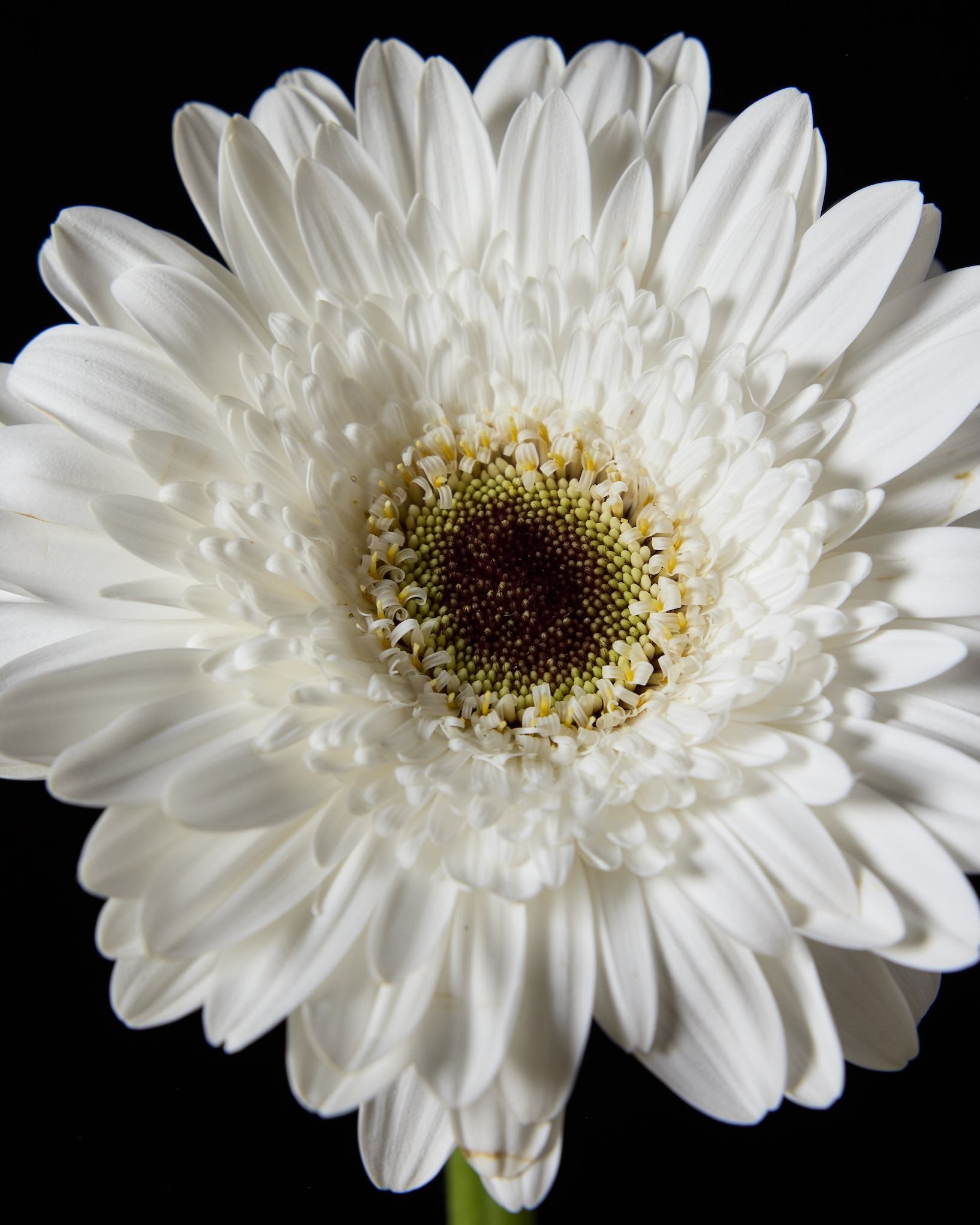
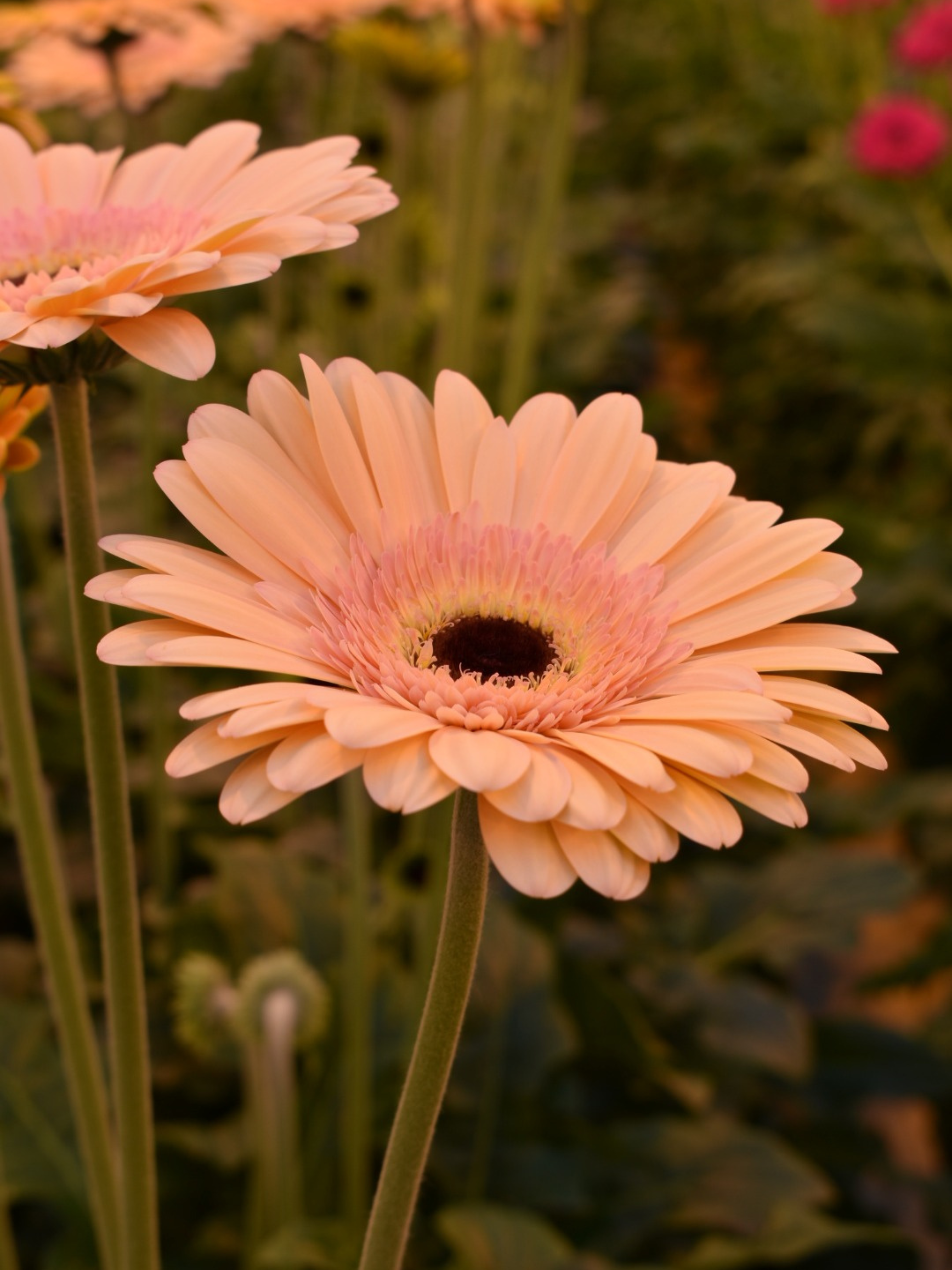
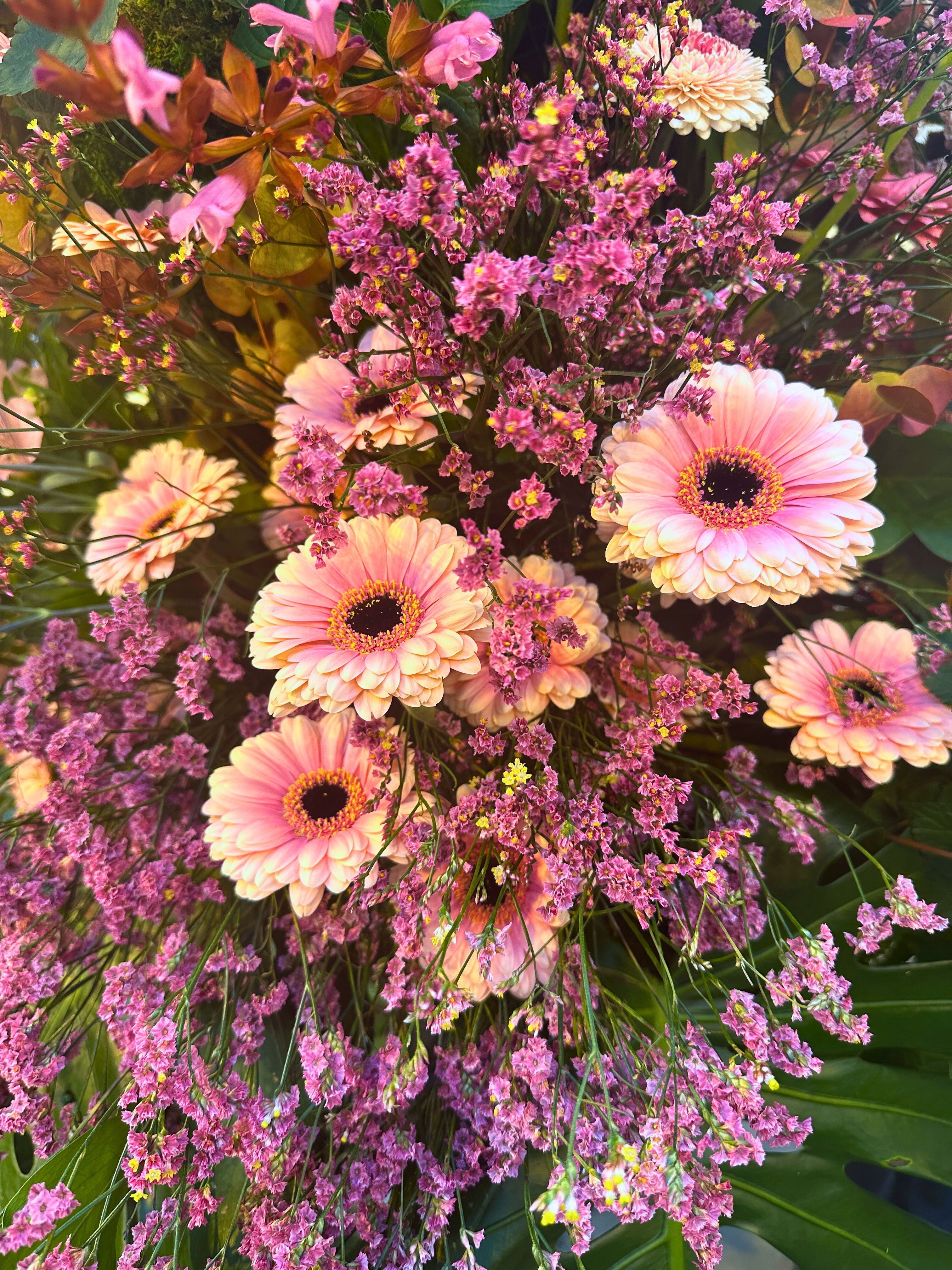
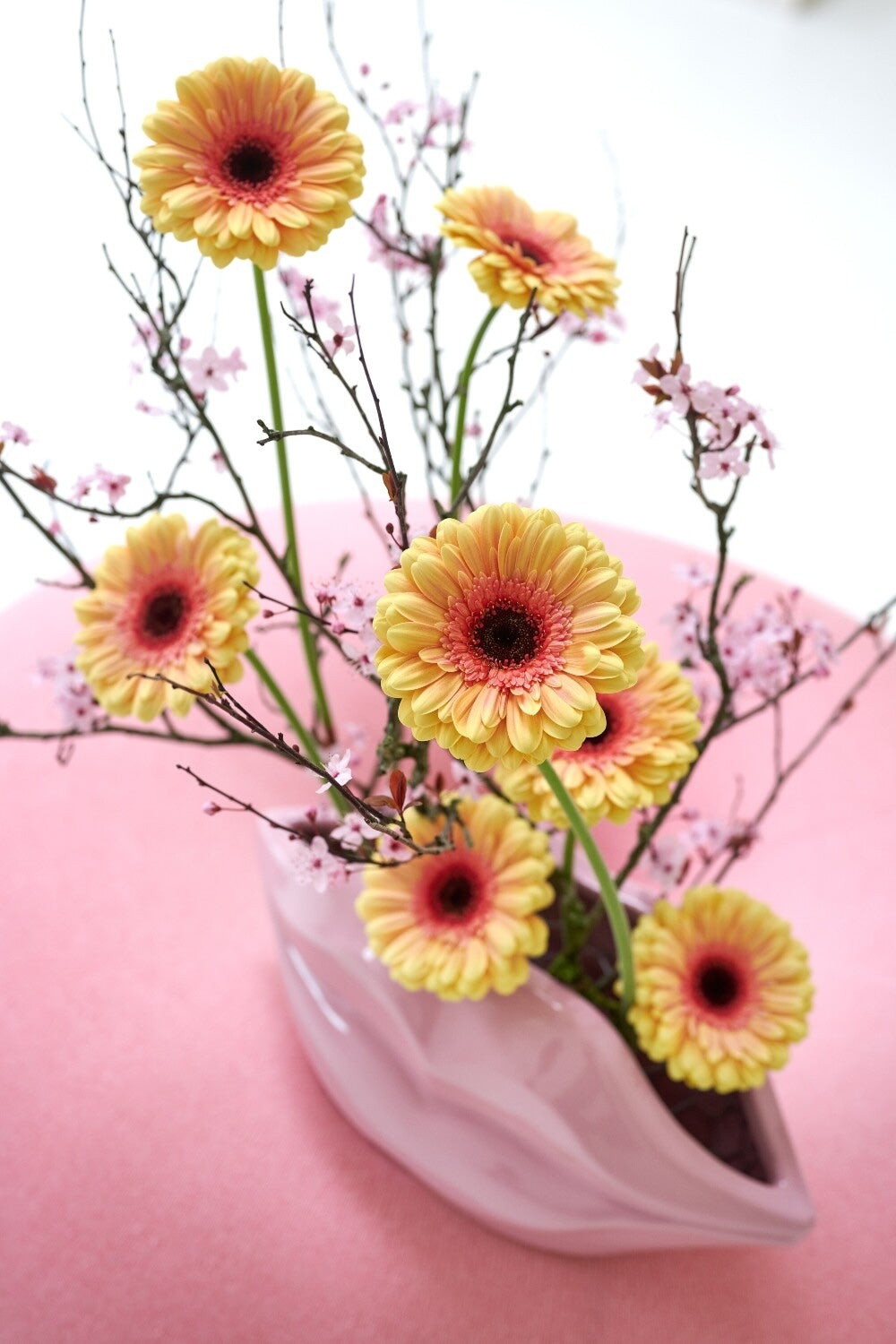
There is something so classically cut flower about Gerbera. Commonly called Gerbera daisy, Gerbera jamesonii is native to South Africa. This tender perennial has a leafless stem, which rises above a clump of basal foliage. Flowers are single or semi-double, and come in a variety of shapes and sizes. Our range are exclusively top-of-the-line commercial cutting strains from Hilverda Florist, the industry leader in Holland. These are the most unique colors, shapes and sizes of Gerberas available in the world.

growing guide
preparation
Grow in average to organically rich, well-drained soilless media in full sun. Gerberas adore richness, and want to be fed as often as once a week. Appreciates some afternoon shade in hot summer climates. Raised beds or pot growing should be considered in areas with poorly-drained soils. Performs best in climates with warm summer days and cool nights. Set plants out after last frost date and not before! If overwintering is desired, plants cannot freeze.

growing guide
Growing
Gerberas are a little fickle to grow, as they are prone to soil-borne pathogens. The best way to avoid soil-borne pathogens is to not use soil, or grow in pots using a sterile media. Pots offer a number of benefits. Gerberas have very long leaves that will hang down over the edge of a pot as the plant matures. If grown in a flat soil bed, these leaves would become damaged by foot traffic or would come in contact with soil making them more prone to pathogens. Pots can often be elevated off of the ground allowing excess water to drain freely, and keeping them away from soil. Elevating a pot in a garden (on an inverted pot) can be helpful in keeping leaves off the ground.

growing guide
Cut Flower tips
Gerberas should be harvested with blooms fully open. The color often changes from the time the flower first opens to when it is fully expanded, so don’t panic if they aren’t the expected color in bud. The pigments develop throughout maturation. Gerberas can be harvested by pulling them off of the plant, reducing the chance of pathogen transmission via cutting tools. Stems should be cut in the morning when stems are most full of water and placed directly in a holding solution treated with a Gerbera tab. These tabs are essentially chlorine that help sterilize the water, reducing bacteria.Your buckets must be sparkling clean. You cannot cut corners with Gerberas or they will wilt.