growing guide

Pansy

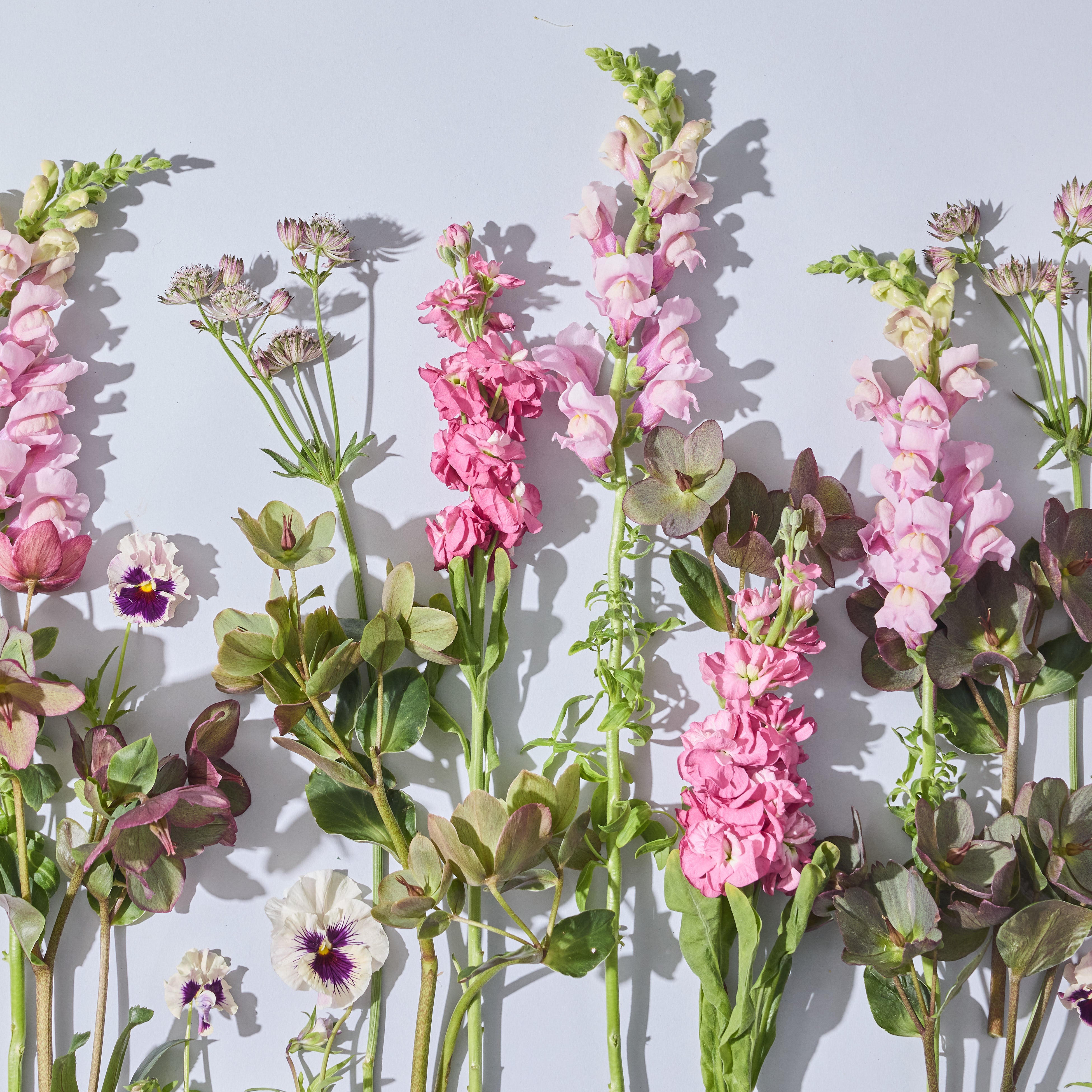
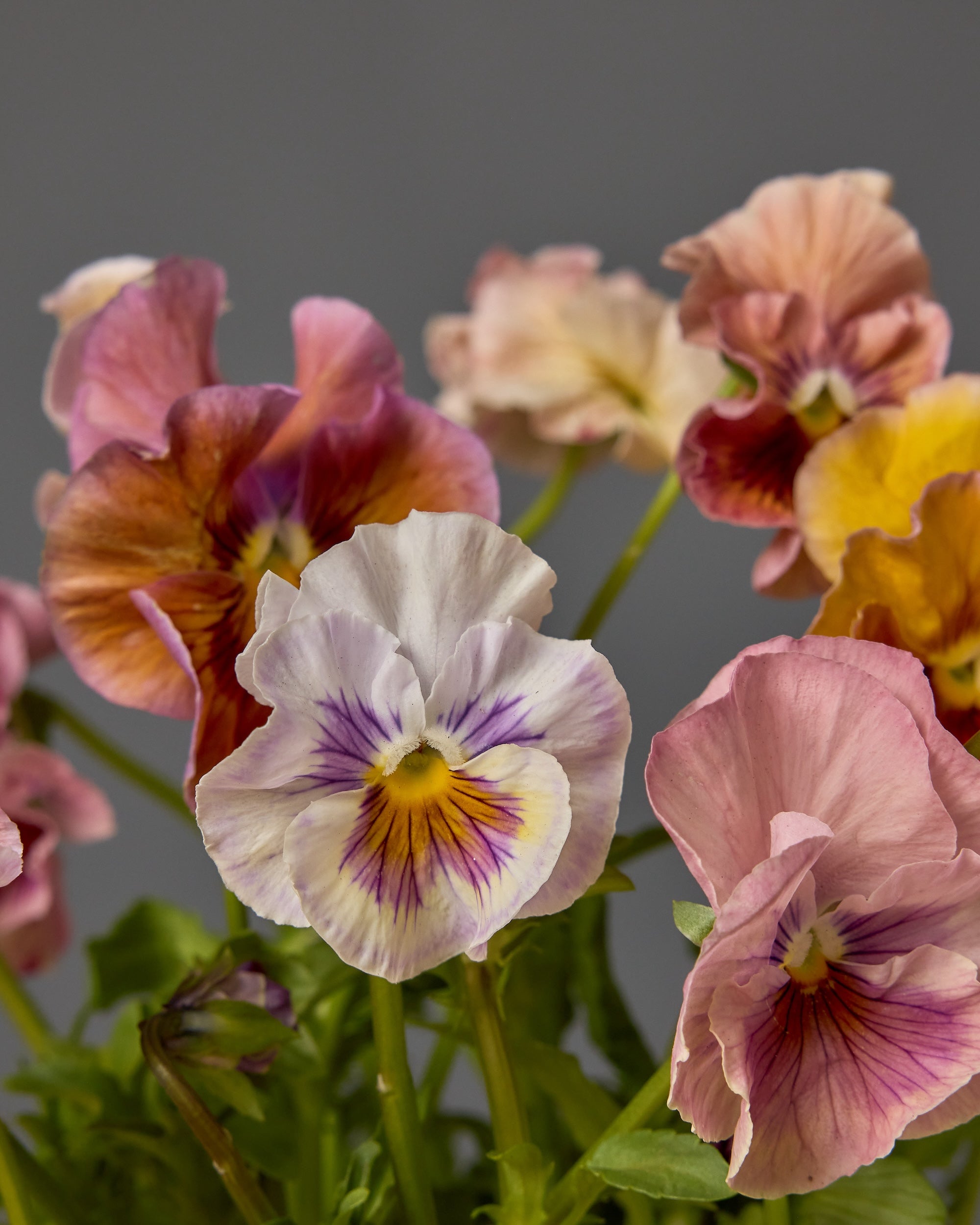
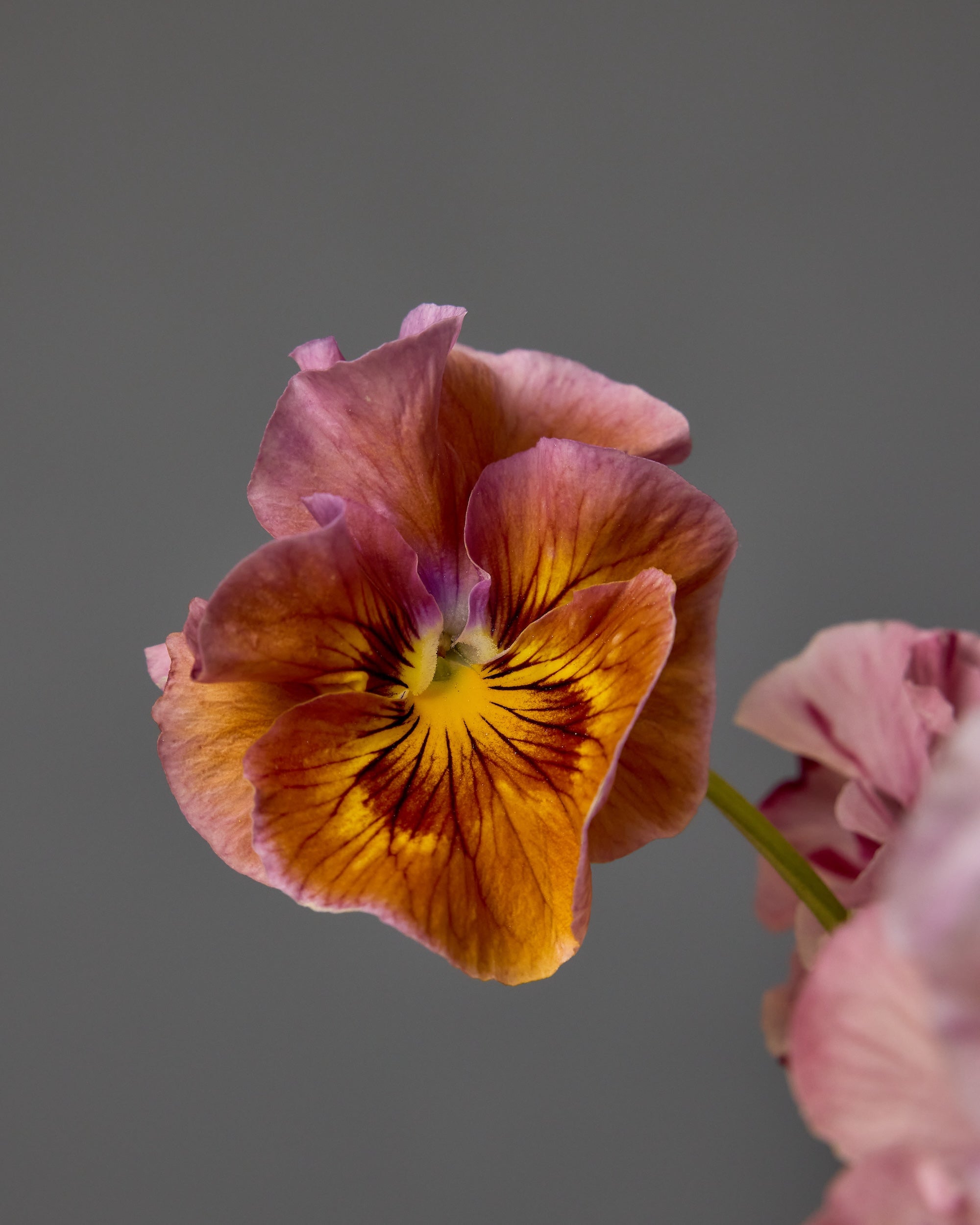
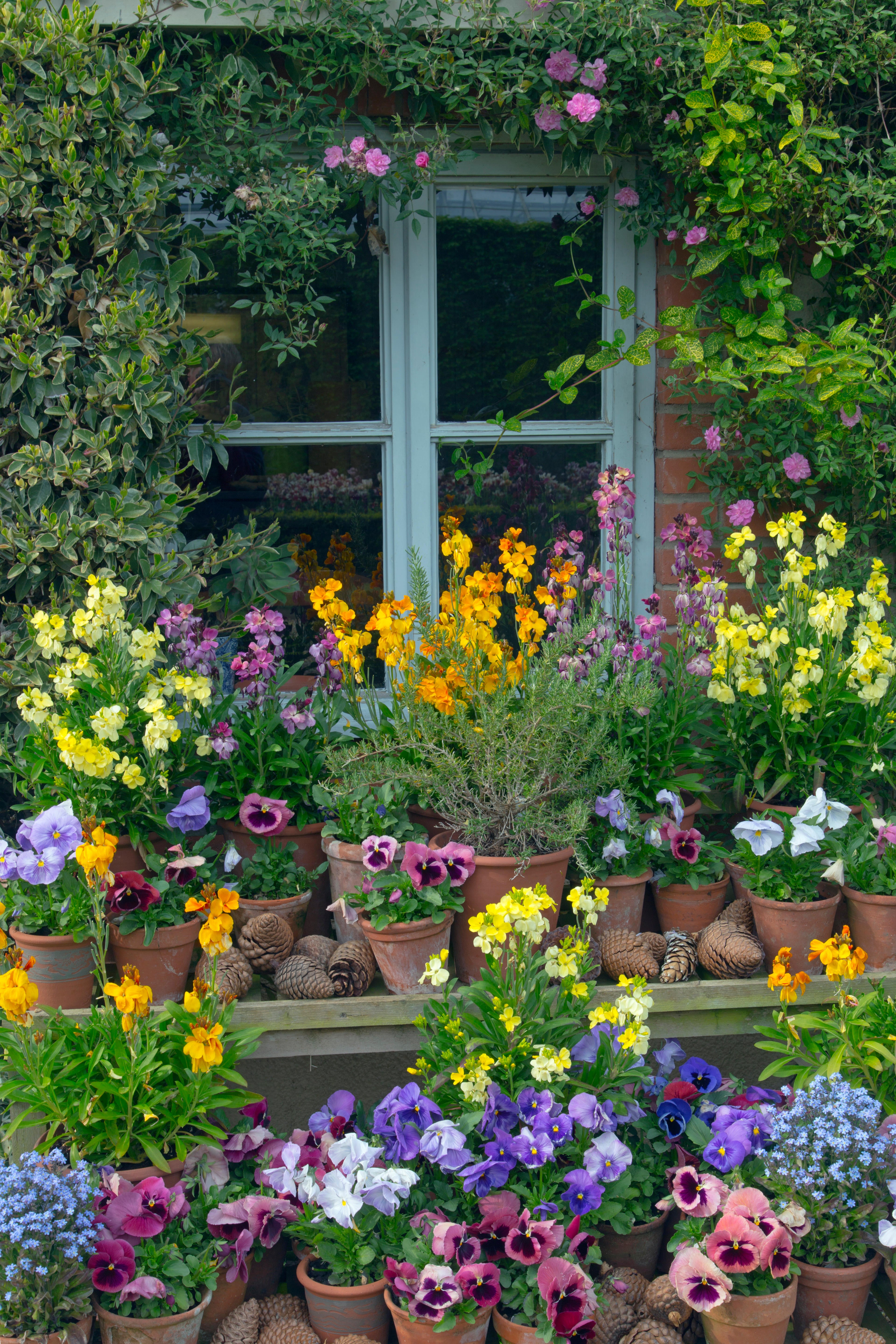
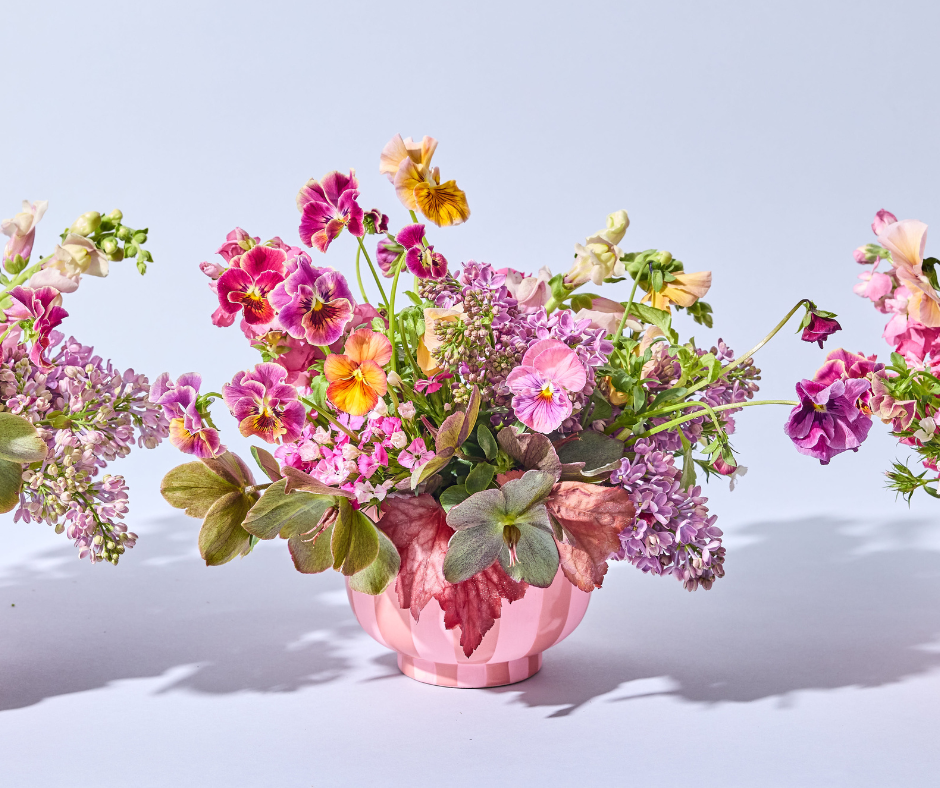
Pansies aren’t just for your grandmother anymore; they have made a comeback in a major way over the last couple years. Typically known for their cute black masks and cheery faces, we have a bunch of new, unique varieties to grow in your very own garden. Frilly petals, soft pastel colors and stems that grow long enough to cut and arrange in a vase are the key features of the varieties we selected for Garden Club. Most violas and pansies currently in cultivation are Viola wittrockiana hybrids and they all require the same type of care to thrive; all can be grown as annuals in the cooler months across the USA and some will act as a short-lived perennial in milder zones. We suggest that growers in the south – USDA hardiness zones 8 and higher – plant their pansies in the fall, where they will actively grow and flower all winter long. Gardeners in the northern zones should plant their pansies in the early spring for some cheerful color before most other things start to bloom.

growing guide

preparation

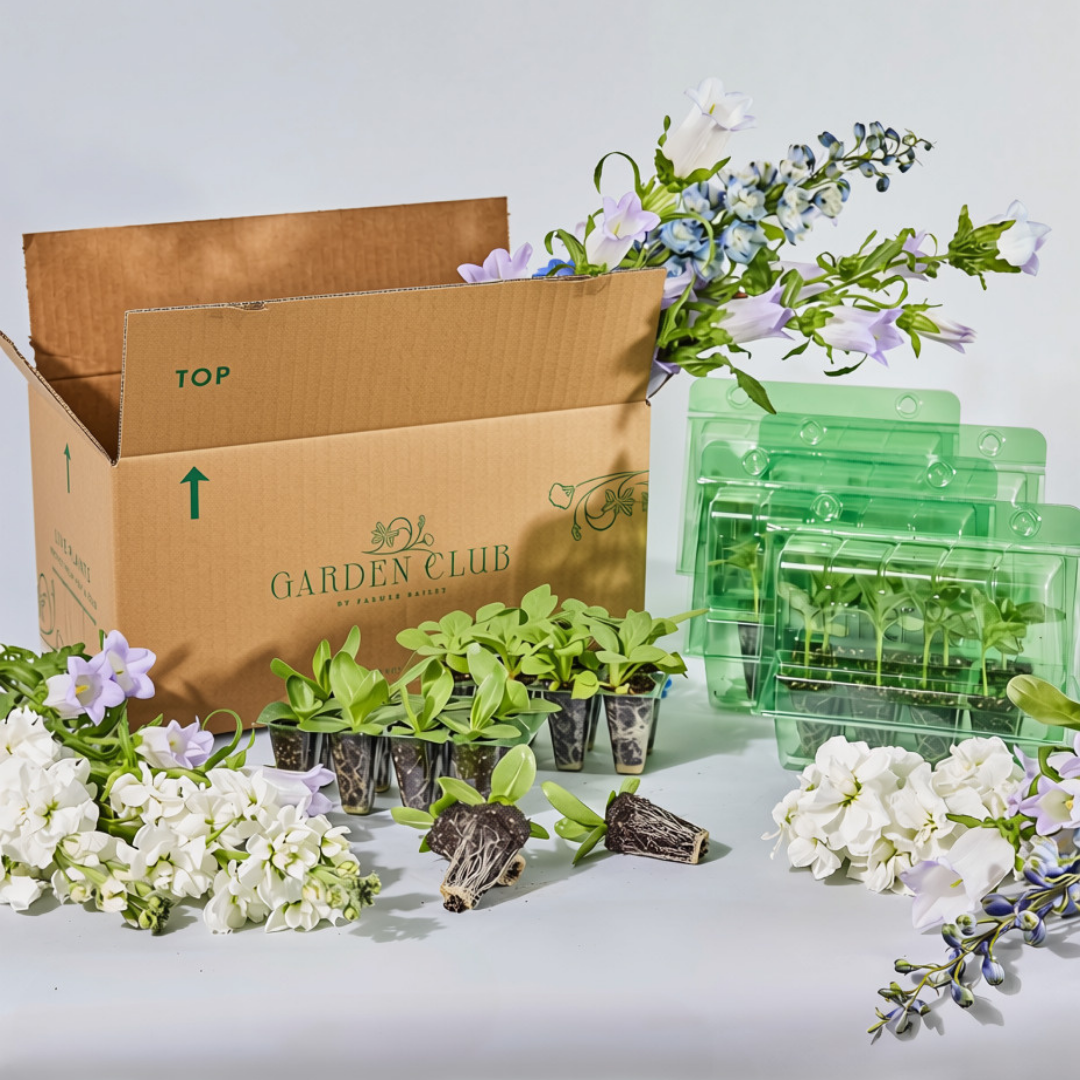
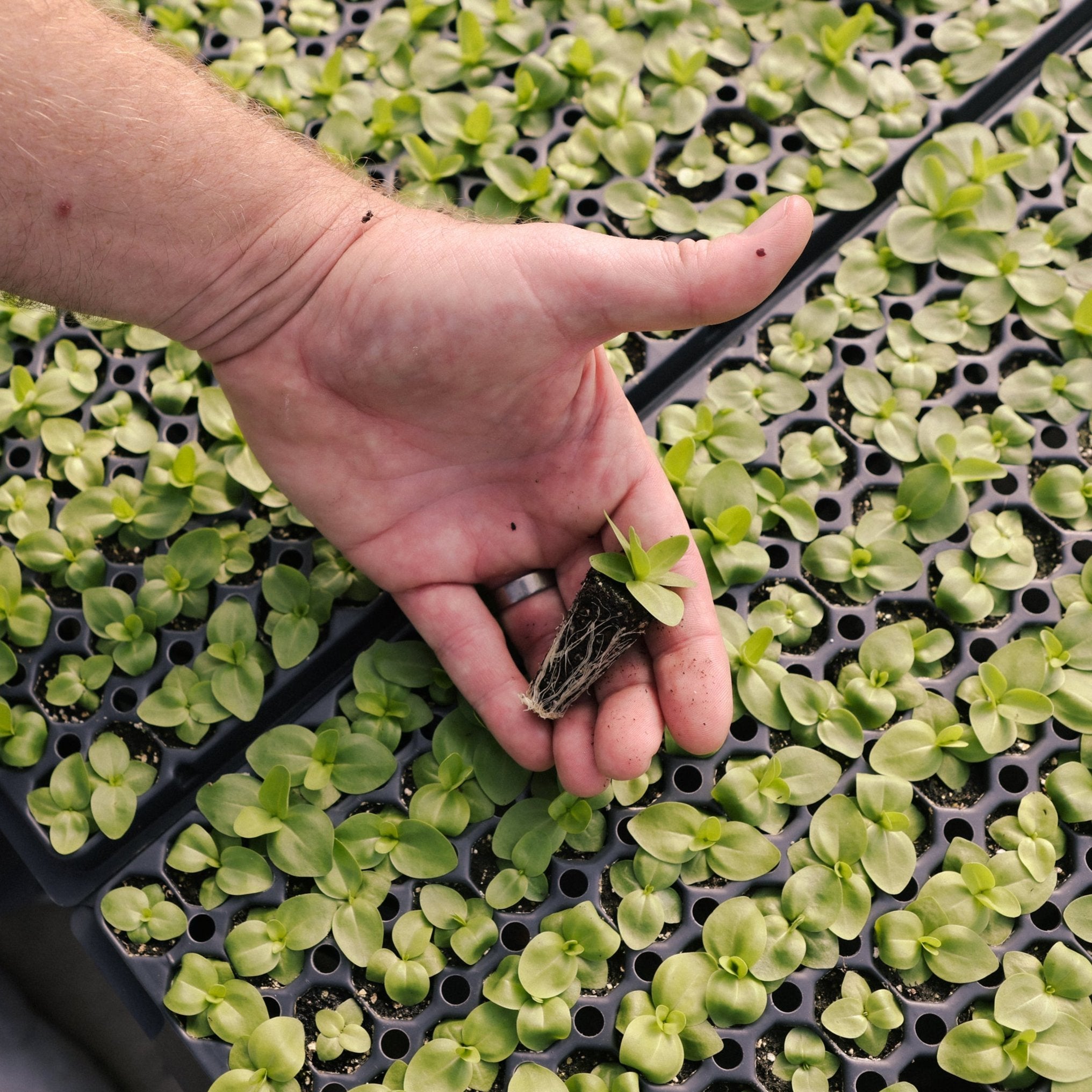
Pansies will actively grow when temperatures are between 45 and 65 degrees Fahrenheit and will remain in a dormant state at temperatures much lower than that; they will tolerate frost and freezing. They do not appreciate heat and will slow down and stop producing as temperatures hit or exceed 75-80 degrees. Order them for delivery about a month before your last frost date in the spring, or in the fall when the temperature has had a chance to drop in southern zones. Do not allow the plugs to become rootbound in their plug cells – bump up into larger pots, or plant out into the garden soon after arrival. Pansies are generally easy going with their soil requirements – most average garden soils will suffice; loose, well-draining yet moisture retentive soil is ideal. Amend planting bed with compost and granular fertilizer at the time of planting and feed the plants every week or two with a water-soluble fertilizer during times of active growth. Any balanced fertilizer will work; pansies and violas seem to respond well to calcium nitrate fertilizers as the calcium helps promote strong stems. Plant in full sun for best results – in the south you may be able to extend the flowering season by providing some relief from the hot sun in the form of shade cloth or afternoon shade from trees.

growing guide

Growing

Pansies are a great choice for container planting; In the garden they can be planted quite closely together at 4-5 inches to fill in gaps and eventually grow stems long enough for cutting. They do not require support as they will form a mound and sprawl – if growing them more intensively as cut flowers, you can give them support for tall, straight stems, however the curvy wild stems are often the most desirable for adding movement in an arrangement. Pinching pansy plants is not necessary as they will naturally branch and form several side-shoots. Water well at all times of growth – the soil should remain damp but not overly saturated, and it should never dry out fully. To encourage longer stems for cutting, close spacing and afternoon shade will help stretch stems; however, this takes patience, as the plants must be quite large before stems will be long enough to cut – typically late spring, close to when the heat becomes too much. Watch for snails and slugs which tend to love pansy flowers and foliage – rabbits can also be notorious pansy munchers. Most other plant pests are not as active during the cooler months that pansies prefer to grow in.

growing guide

Cut Flower tips

When harvesting pansies for cut flowers you are not cutting individual flowers like you would for edible flowers or for flower pressing, you are cutting a branch off the plant containing leaves, open flowers and buds – cut this branch down close to the base of the plant for the longest possible stem. If your pansies seem too short for cutting, it’s likely just that they have not been growing long enough. Deadheading spent flowers can be time consuming but it’s a great way to encourage vigorous new growth as the plant isn’t wasting energy on seed production. It’s not uncommon for cut pansy stems to be anywhere from 8-14” in length in the late spring or early summer. Once cut, stems should be placed in a vessel with cool, clean water; floral food is beneficial but not necessary – even in clean water that is changed frequently pansies can last up to two weeks in the vase. Buds will continue to open while in the vase. If you have greenhouse space, consider growing pansies under cover – you can grow them over the winter which will allow the plants to size-up more quickly, and the conditions in a greenhouse (lack of wind, especially) encourages the plants to grow longer stems.

Leave a comment

This site is protected by hCaptcha and the hCaptcha Privacy Policy and Terms of Service apply.