growing guide

Petunia

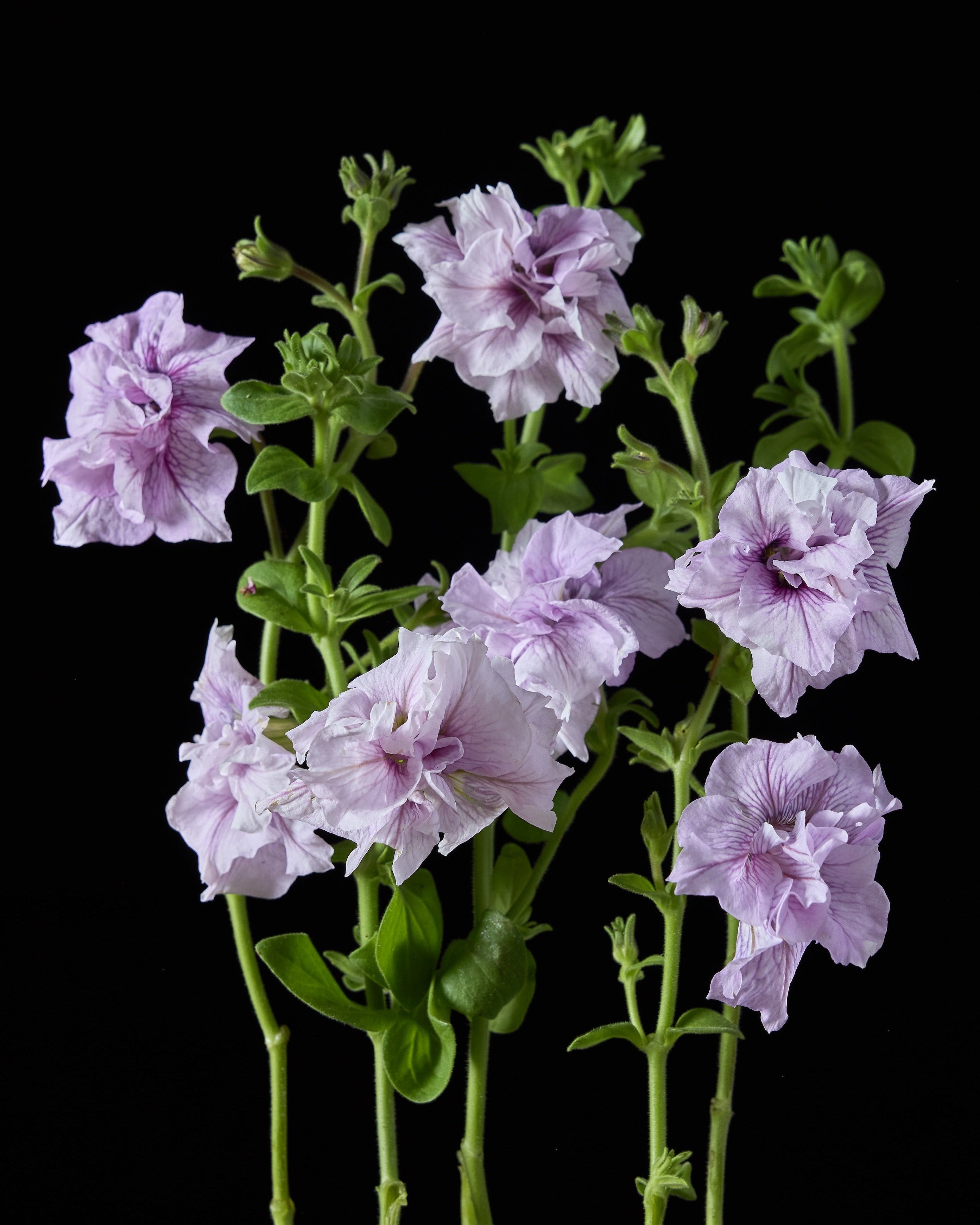
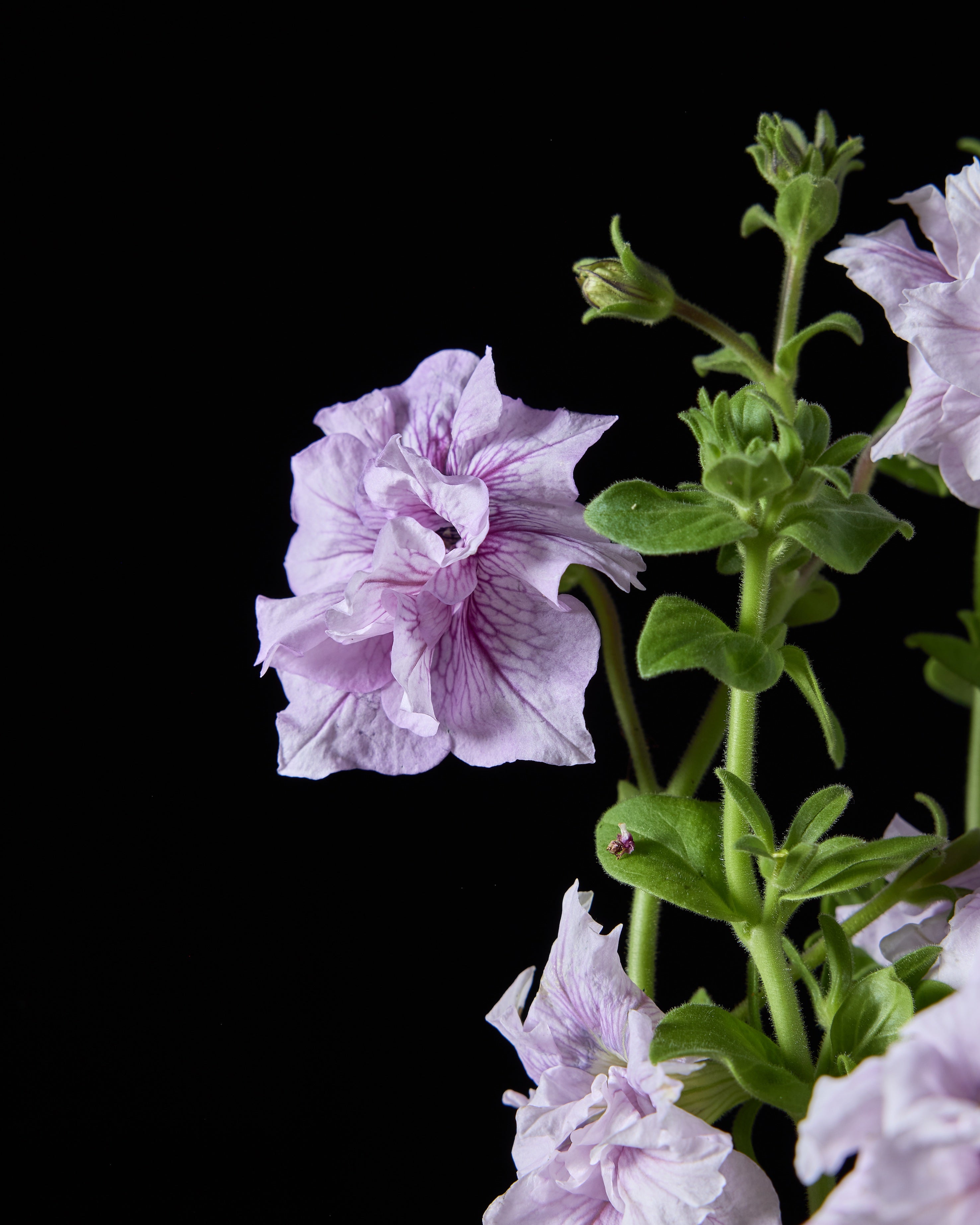
Petunia grandiflora are an old-fashioned garden species with a newfound discovery as a fabulous cut flower. Modern breeding techniques by Italian plant breeders resulted in a variety called ‘Doppio Allegretto’ which is a first of its kind, and we are thrilled to offer it through Garden Club. These plants take the nostalgic old-school charm of petunias and add tall, elegant arching stems making them suitable for cut flower arrangements. Petunias are tender annuals in the nightshade (Solanaceae) family which means they can tolerate high temperatures in the summer, but they don’t mind a slightly cooler start in the spring and can handle lower temperatures compared to your pepper and tomato seedlings.

growing guide

preparation

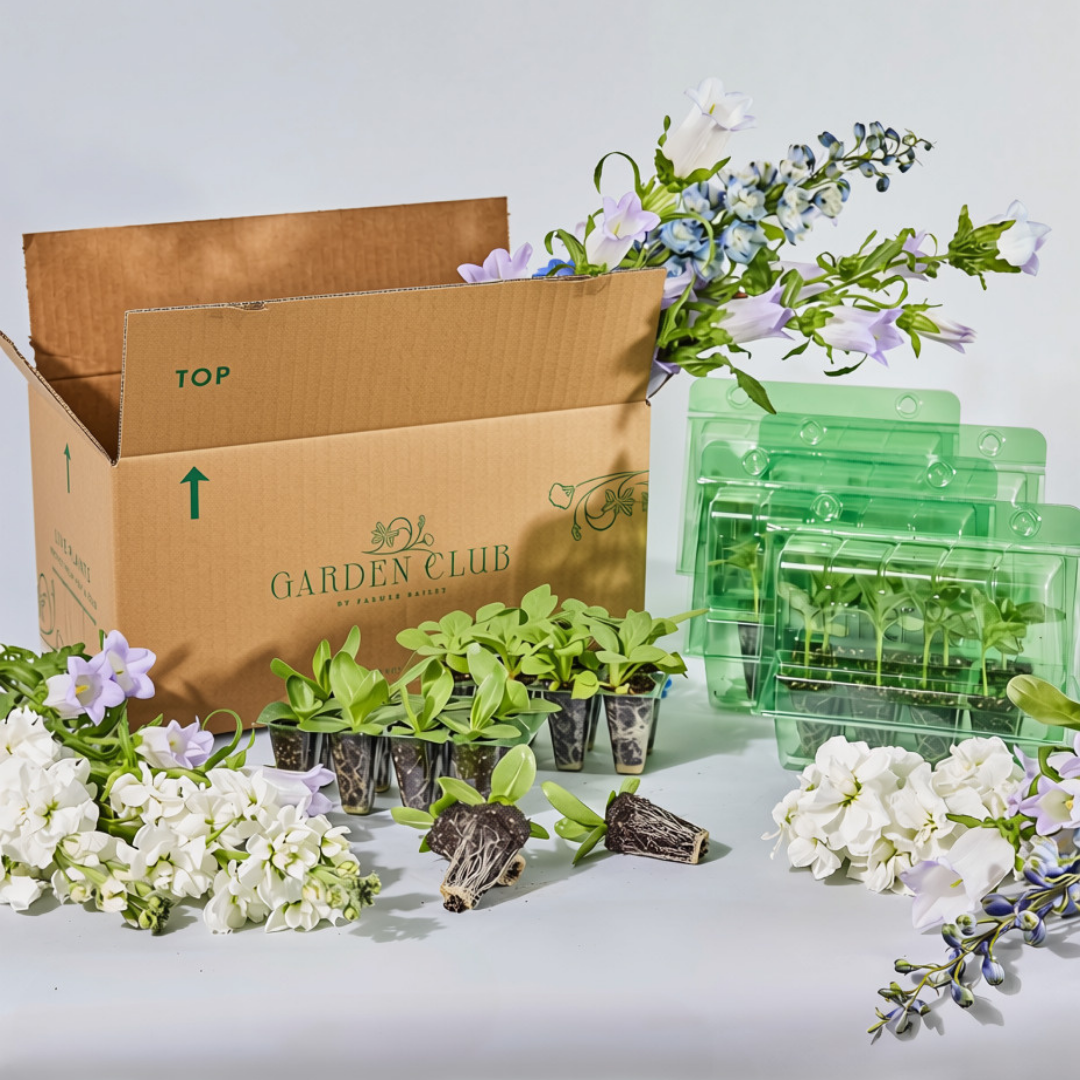
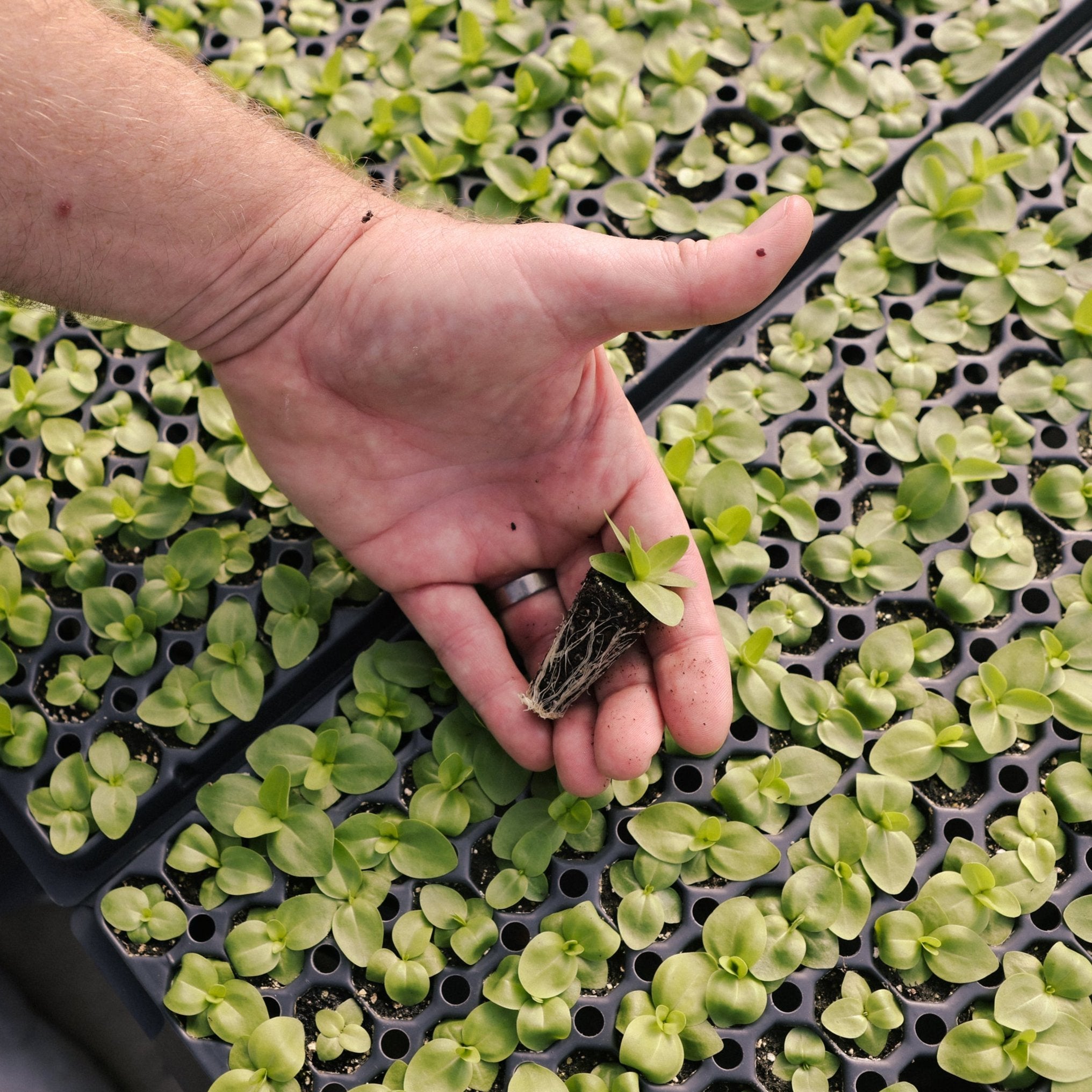
We suggest ordering petunia plugs to be delivered around the time of your last frost – harden off and plant out soon after arrival to avoid the plugs becoming stressed or rootbound in their plug trays. They can also be bumped up into larger pots or planted into large containers on a porch or patio as their final growing location – just make sure the pot is quite large as these plants grow much more vigorously than your typical garden petunia. Plant into well prepared soil; most average garden soils will suffice as long as it’s loose and well-draining. Plants will be happiest if soil is amended with compost and granular fertilizer prior to planting. Plant at a spacing of 6-8” between plugs: this might seem crowded but the tight spacing will promote longer stems if cut flowers is the goal. Staking is necessary if you wish to achieve tall, straight stems up to 2-3 feet for cutting; without support, this variety will sprawl and stems will have bends and curves. These plants are happiest growing between 55 and 75 degrees Fahrenheit – they will continue to grow above or below these temperatures, but this is the ideal range for the longest possible stems. Plants can handle the high heat of summer provided adequate irrigation and regular applications of balanced water-soluble fertilizer with an NPK ration of 15-5-17 or 20-20-20. Ammonium nitrate based fertilizers help promote long, strong stems, but it’s not absolutely necessary for success.

growing guide

Growing

A couple weeks after transplanting, the plants will be large enough to pinch – by taking out this central stem you are encouraging lots of side-shoots to form. Be sure to keep plants deadheaded and remember the motto “the more stems you cut, the more you’ll get” – this is a true cut-and-come-again type plant. Plants will perform best if planted in full sun; they are long-day plants which means they will stay vegetative in the spring and buds will form during the long days of summer when the sun is at it’s peak – daylengths must be over 13 hours for buds to form. This variety is a good candidate for growing in a greenhouse or hoophouse if you have it as the lack of wind will help stems get even taller compared to the exposed garden. You can expect to see the first flowers about 60-70 days after transplanting into the garden, however this is quite variable and depends on temperature and sunshine. Provided the proper care, these petunias are quite hardy. Thrips and aphids are two of the more common insect pests you may encounter. Botrytis and Rhizoctonia are the fungal pathogens that might pop up during prolonged periods of high humidity and wet foliage conditions.

growing guide

Cut Flower tips

These petunias can be enjoyed in the garden or in a pot on the patio, but if you choose to cut some stems to enjoy inside, the proper stage to cut is when 1-2 flowers on a stem are open and the rest are still in bud. The buds will continue to open in the vase, and even after all flowers fade the foliage will stay green and healthy looking. Cut stems should be immediately placed in a vessel with cool, clean water that gets changed frequently. Give the stems a fresh cut with each water change – the use of a floral food is not necessary but may help maximize vase life. A petunia as a cut flower is totally unexpected, but a welcomed surprise.

Leave a comment

This site is protected by hCaptcha and the hCaptcha Privacy Policy and Terms of Service apply.