growing guide
Phlox (Annual Types)
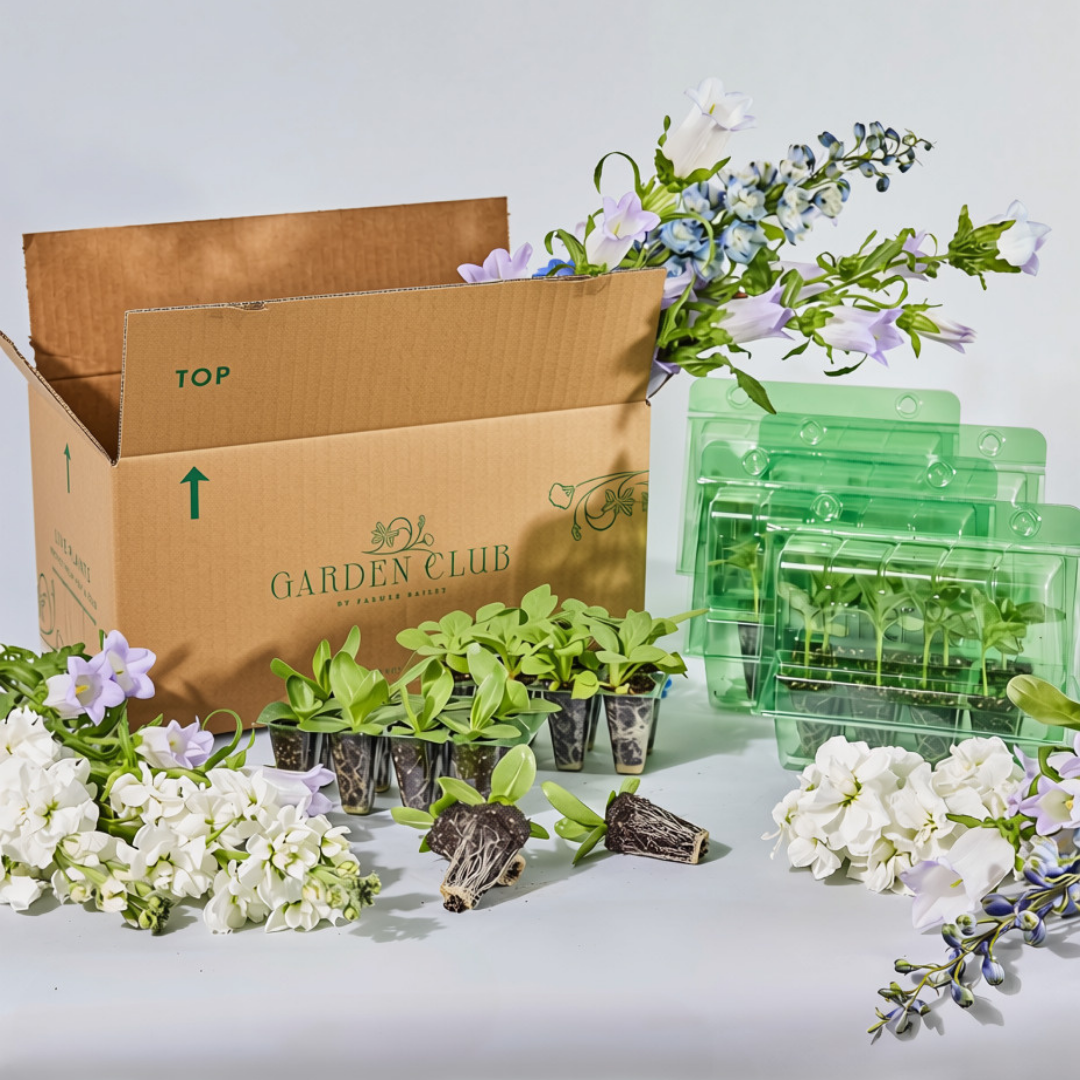
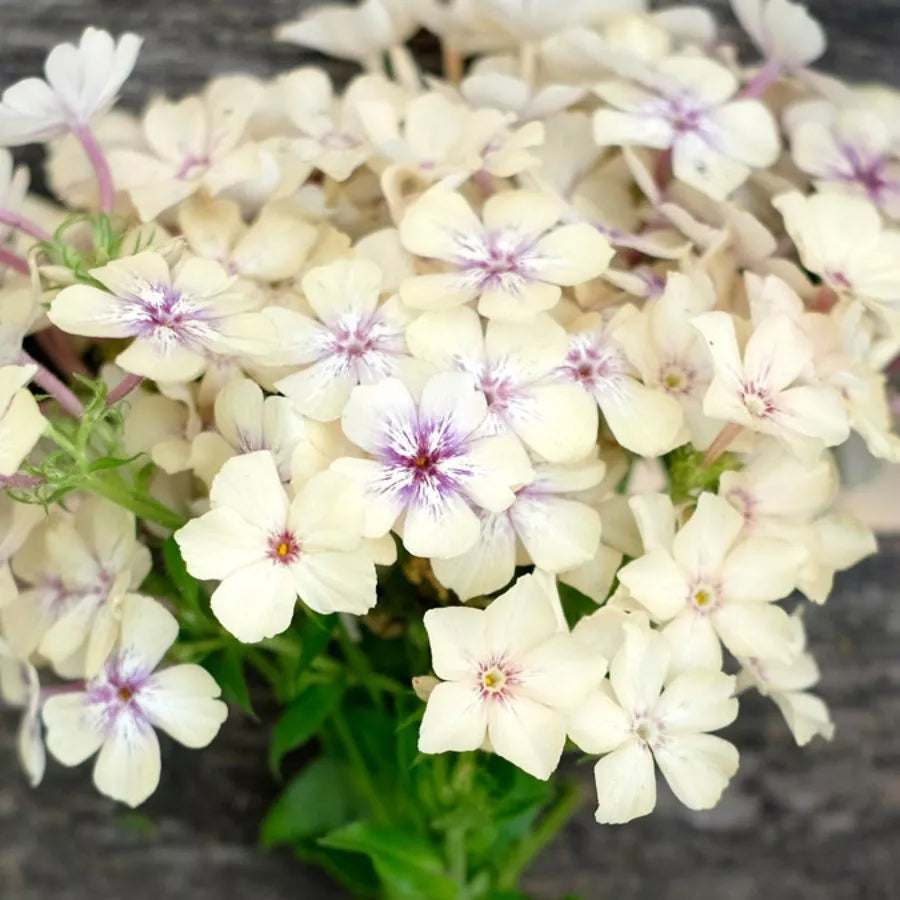
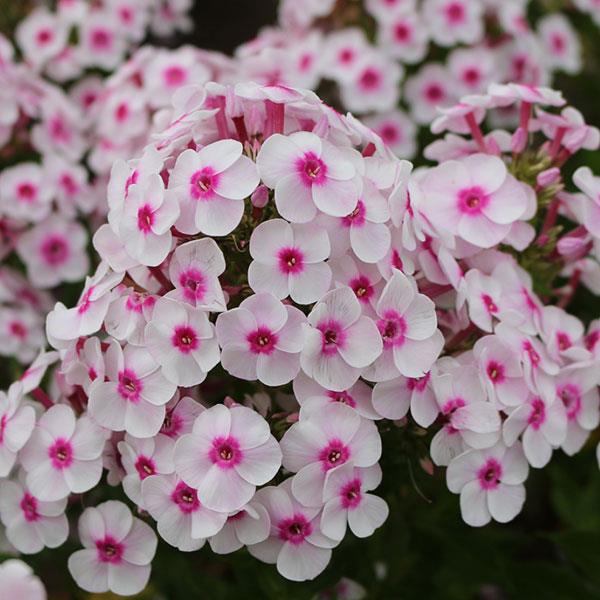
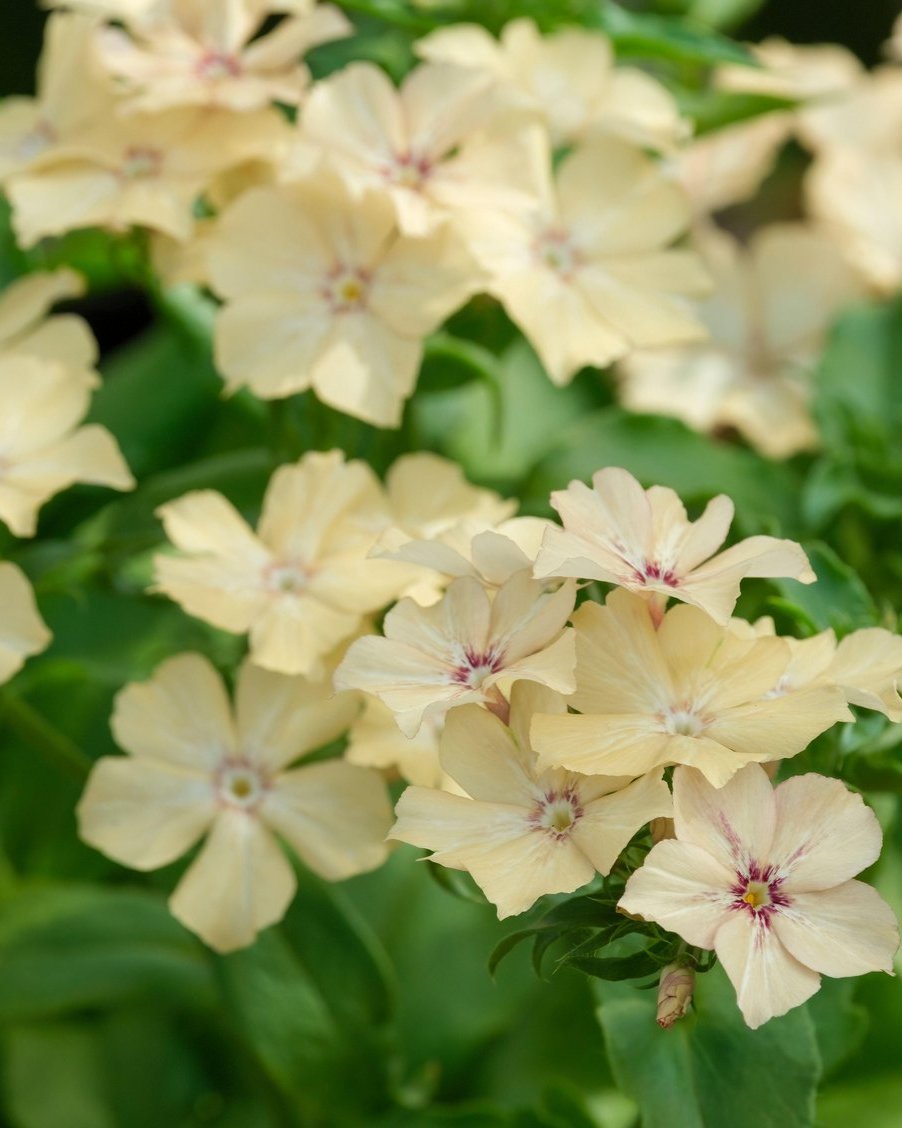
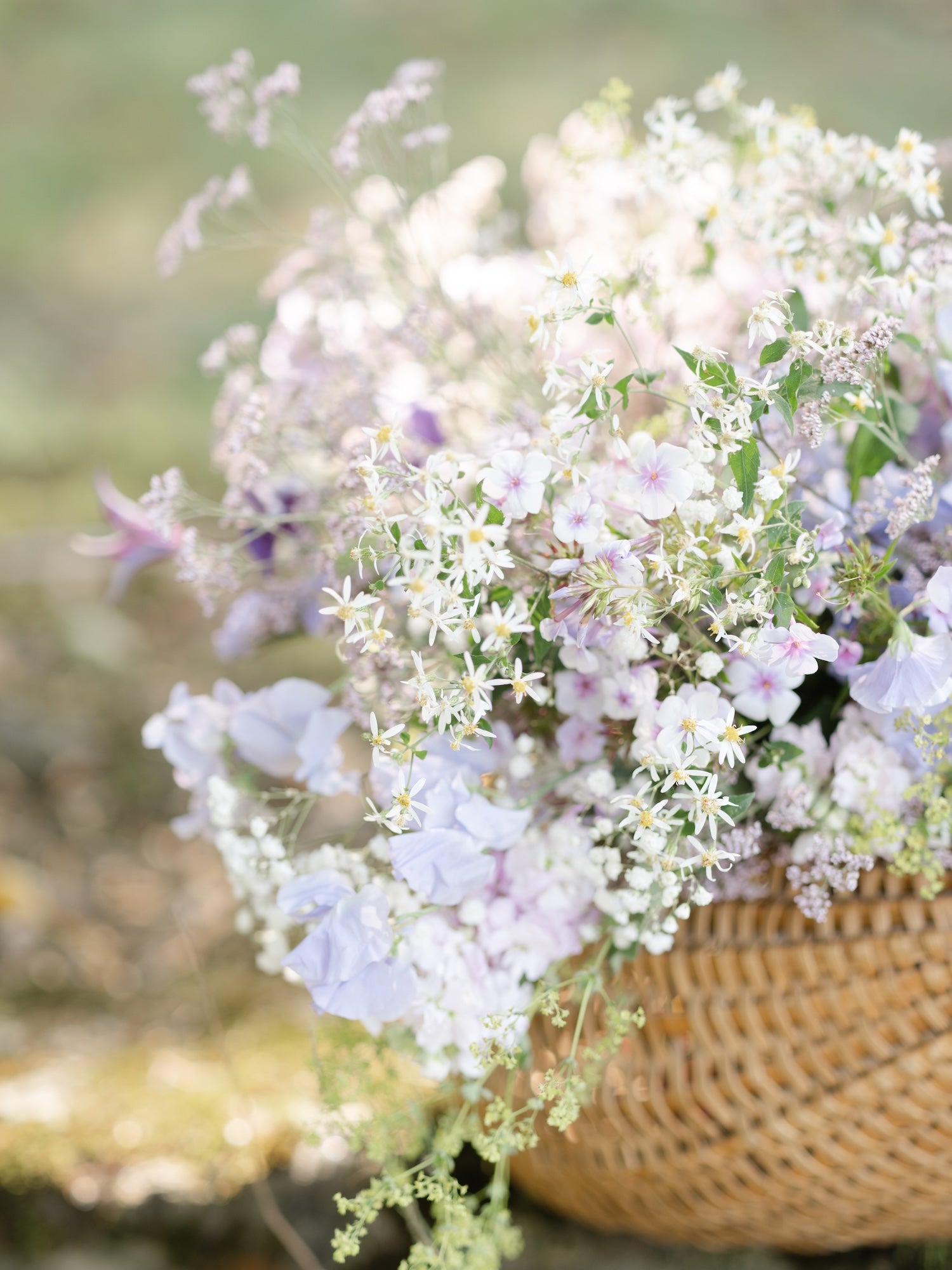
Annual phlox, or Phlox drummondii, is a species of plant from the Polemoniaceae family that has flown under the radar for many years. It’s not a new species by any means, having been cultivated in gardens since the early 1800’s, but it didn’t gain widespread popularity in the cut flower industry until more recently. Annual phlox have delicate stems that don’t ship well, making them a cut flower that can only be grown and enjoyed locally – they have also been bred to represent a vast array of color palettes including soft muted pastels including ‘Cherry Caramel’, ‘Crème Brulé’, ‘Blushing Bride’ and ‘Phlox of Sheep’ which are all popular among small scale flower growers in the USA. These plants are often considered tricky to start from seed due to some specific requirements during germination, so we are happy to do the most challenging part for home gardeners and offer well-started plugs as an alternative to seeds. Due to seed shortages we won’t have all of the above varieties listed at the same time, but we will have one or two of them available on our catalog for spring shipping. These plants should be considered tender annuals – they are fast growing and prefer warmer weather, so there is no reason to plant them before the time of your last frost in the spring. They can be grown in the spring and summer months across all the US unless you live in the extreme south, where they might be better grown over the cooler but frost-free winter months. They are quite adaptable and can tolerate a wide range of conditions, so they should work in most gardens.

growing guide
preparation
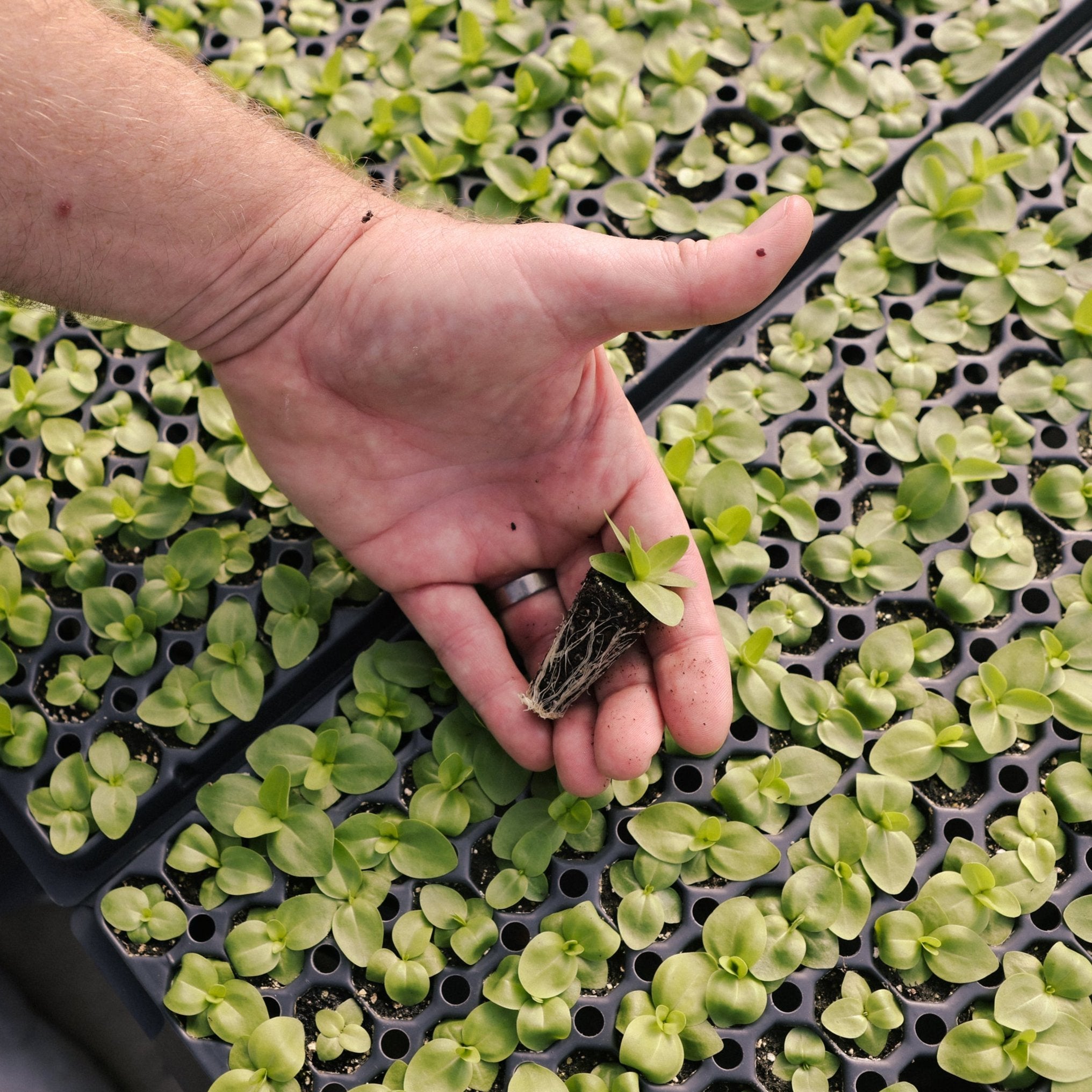
Order your plugs so they arrive in the spring when the chance of frost has passed. Harden them off over the period of a couple days and plant them out in an area that receives full sun – if planted in shade or part shade, the plants will be weak and floppy, with few flowers. It’s important to plant them out in a timely manner to prevent them from becoming stressed or rootbound in the plug trays; in the rare chance they arrived with buds or flowers already developing, pinch them off so the plant can put energy into new roots and shoots. Prepare the soil before planting by incorporating some compost and granular fertilizer; annual phlox prefer soil that is loose and well draining (yet moisture retentive) with medium fertility. Space plants approximately 6-9” apart in the garden, a little closer in a patio pot. When the plugs settle in and start to actively grow, they benefit from a weekly or bi-weekly dose of water-soluble fertilizer – a balanced NPK ratio, or a generic fertilizer made specifically for blooming annual plants will work – whatever you have access to at your local nursery.

growing guide
Growing
As the plants grow, they would benefit from a pinch – or two pinches – or three pinches. The more you pinch these plants back and shape them while young, the more side branching and long stems you’ll get later in the season. You’ll find the first flowers come on about 8-10 weeks after planting on quite small stems; we like to pinch these off and keep the plants deadheaded as best as possible to help promote vigorous growth and continuous blooming. Growth rate will depend on the temperature and weather conditions – warmer temperatures and more sun will increase the growth rate and the speed at which you see the first flowers appear. If you’re growing them specifically to be cut, they would benefit from some support to keep the stems straight and upright; if this is not your main goal and you simply want to enjoy them in the garden, they can remain unsupported but know they will take on a sprawling habit and can grow in an untidy fashion. Stems can reach 1.5-2 feet in length during the peak growth, but this can vary depending on the nutrient content in the soil and the amount of water and fertilizer provided during the growing season; be sure to irrigate regularly, you want the soil to remain in the sweet spot – damp, not overly dry or over-saturated. Phlox are typically pest and disease resistant but watch for typical garden pests such as thrips and aphids and try to keep the foliage dry by watering just the soil.

growing guide
Cut Flower tips
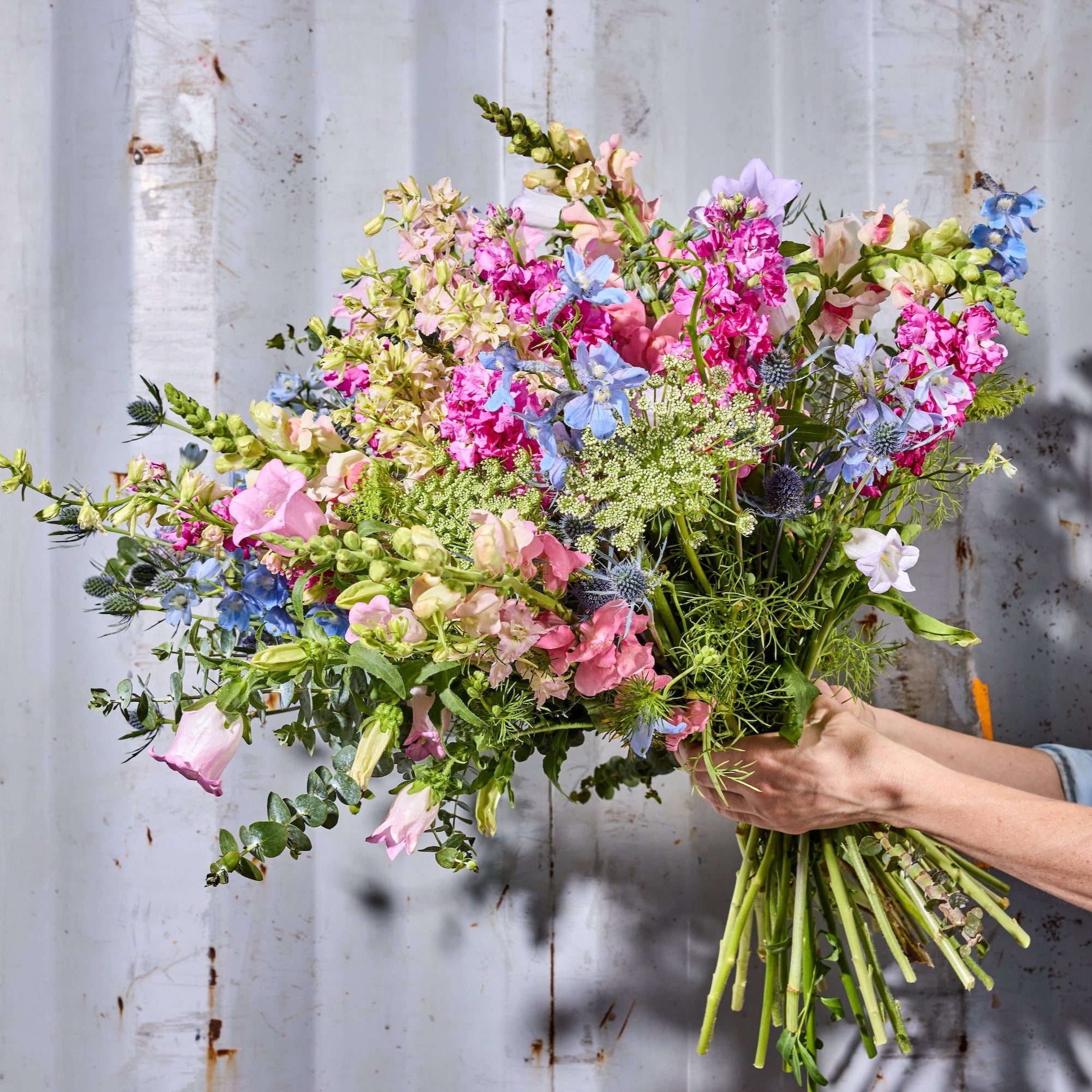
If you bring some phlox stems inside to enjoy in a vase, cut the stems when a couple individual florets are open and the rest are still in bud. These buds will continue to open in the vase, prolonging the vase life. Cut early in the morning or later in the evening when the sun is less intense, as the plants will be more hydrated at this time and the cut stems will be less likely to wilt in the vase. Use fresh, clean water, and change the water frequently to keep the flowers looking fresh longer; the use of a floral food may help but is not absolutely necessary. Annual phlox don’t have the longest vase life which tops out at about a week, but the cheerful little flowers add a lot of character and whimsy to an arrangement in a palette not seen in many other varieties, making them a valuable addition to home gardens across the country.