growing guide
Ptilotus
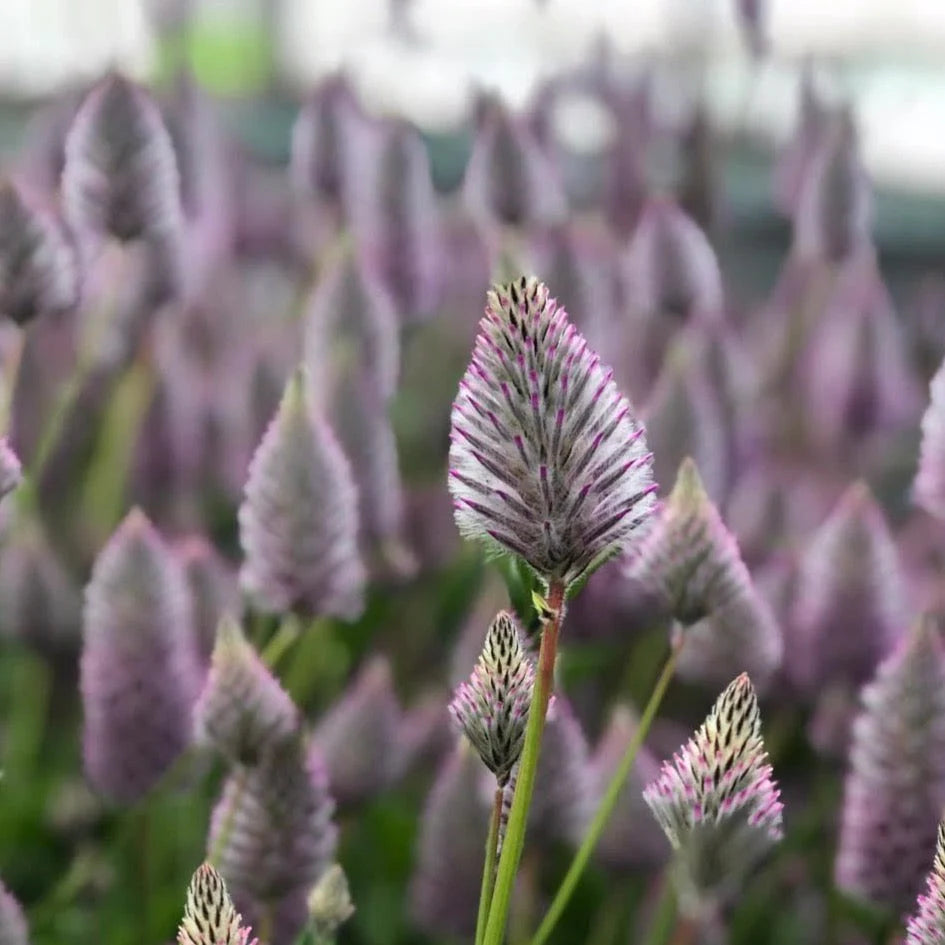
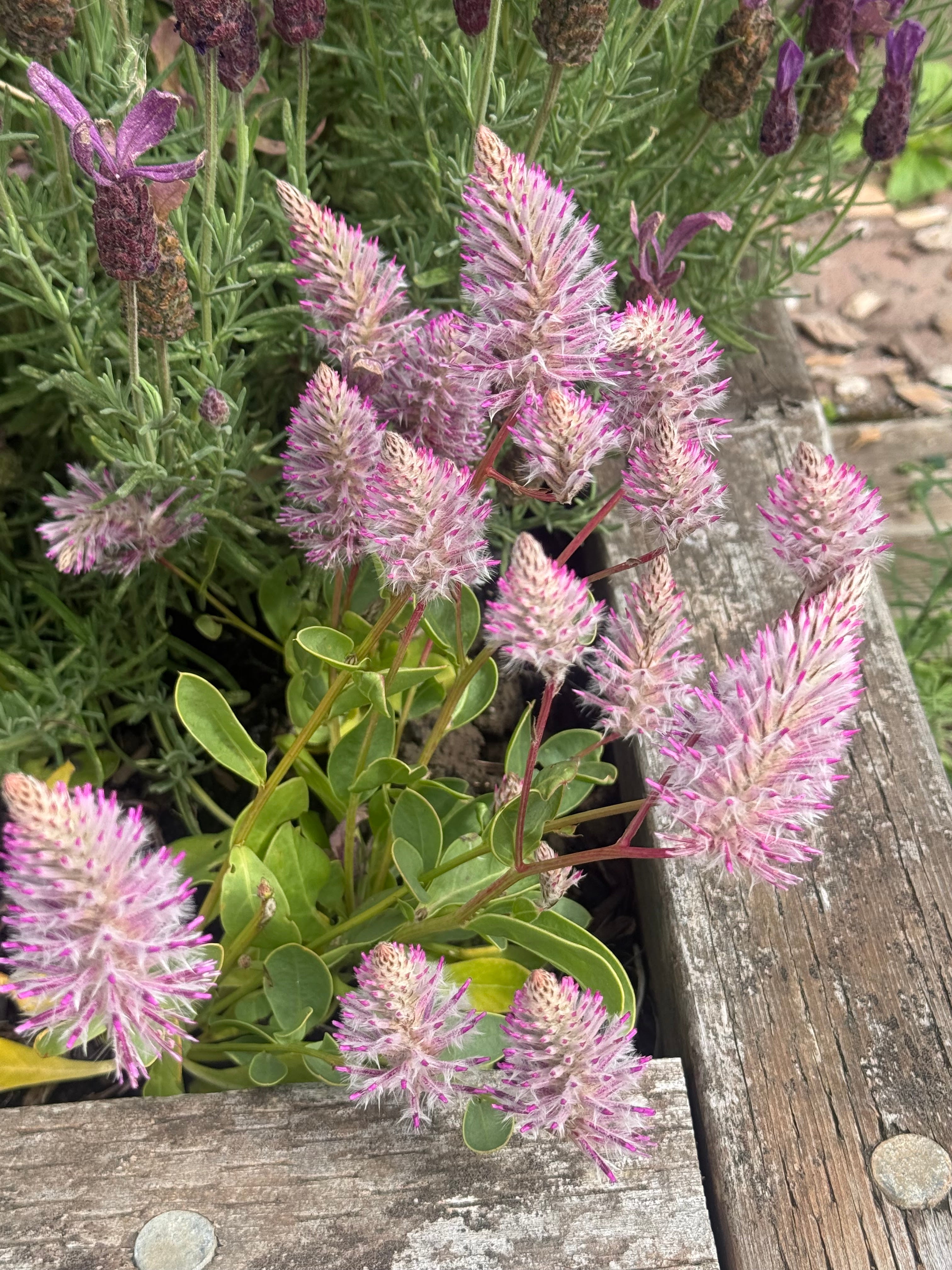
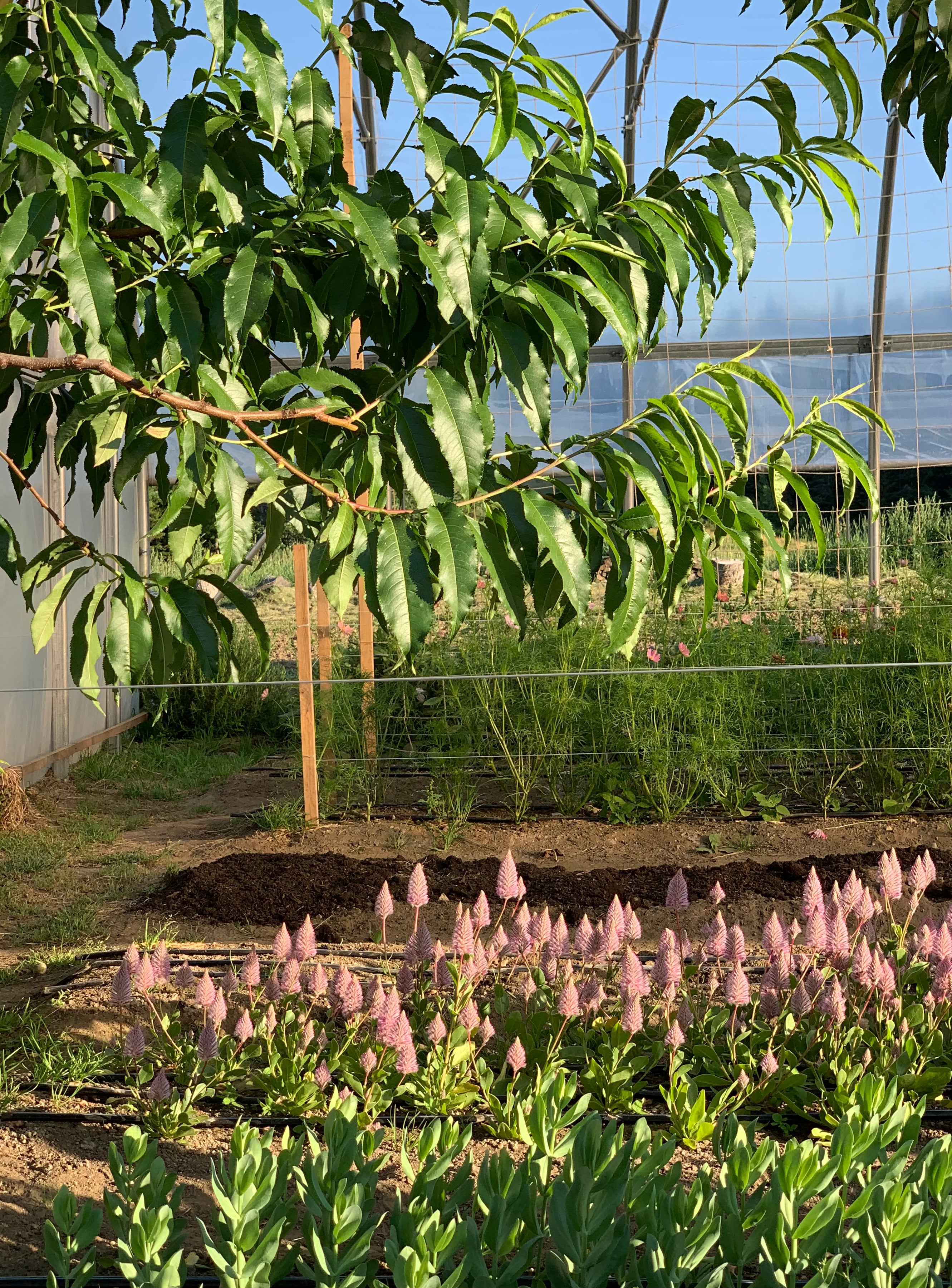
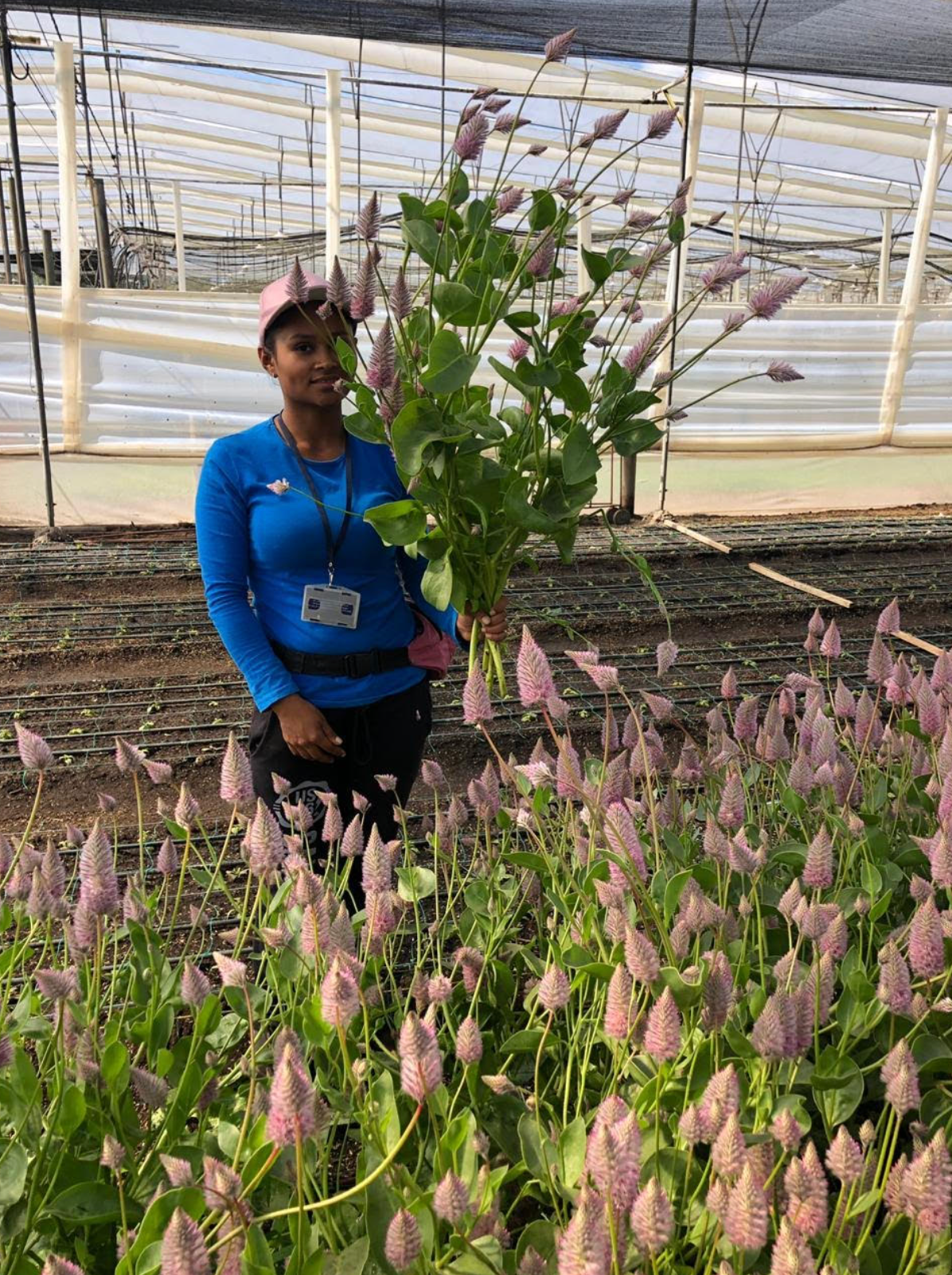
Every single person wandering through your garden will be captivated by Ptilotus because it is just the most unique creature! Ptilotus or Pink Mulla Mulla, from the Amaranthaceae family is most often grown as an annual, but perennializes in the warmer zones of 10 & 11. The genus is Ptilotus and the species is P. exaltatus. The pointed feather purple tops of these flowers are reminiscent of the baby troll doll heads of the 1990s. Ptilotus have a nice duality of spiky but soft appearance so they can add both drama or subtle lavender color to any floral arrangement. Their durable and tall stems make Ptilotus a great candidate for straight bunch bouquets, either with a bold singular stem or any of the 3 spray techniques suggested by Benary (the breeder). These Australian native plants love sandy soil, hot weather and are drought tolerant. They are a great addition to the driest part of your field.

growing guide
preparation
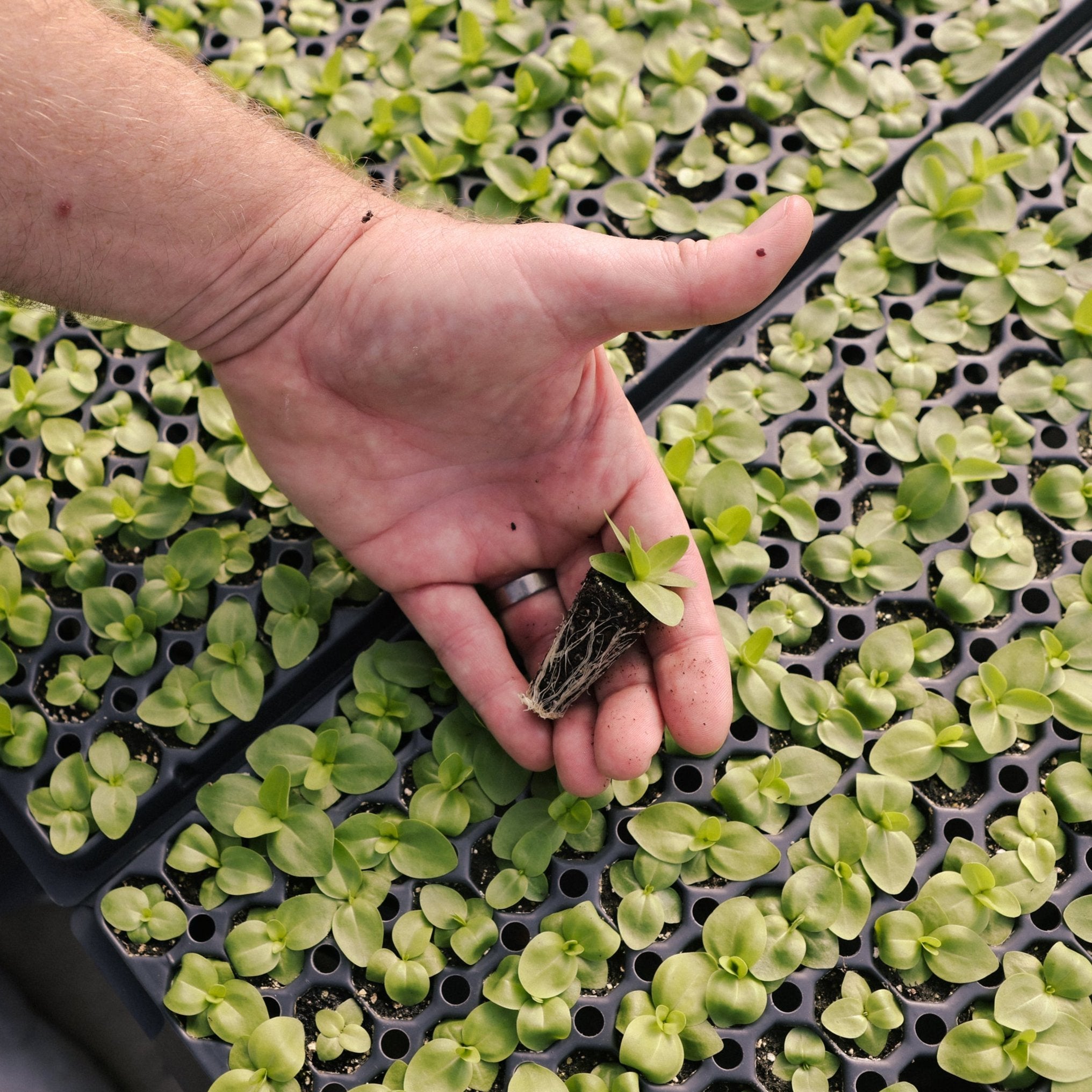
Ptilotus plugs require a short hardening off period to acclimate to the environment outside of a greenhouse, but don’t leave them in their shells too long. Ptilotus is sensitive to being rootbound and if left too long in the tray prior to planting may not perform well later in the warm Summer. Unlike Marigolds, Ptiltous don’t like the neck of their stem covered. Be sure to plant the plugs and just cover the actual plug, leaving its neck bare for maximum air circulation. Ptilotus likes it hot hot hot! Wait until nighttime temperatures reach 60 degrees to plant and position in a location that receives full sun.

growing guide
Growing
Plant Ptilotus 6 - 8” apart in the garden, and with 2 layers of netting in the field. Ptilotus can grow up to 3’ tall and the purple plume can be top-heavy, so stem support is welcome. The main stem will yield the best flower, so pinching is not recommended along the main column. If a Spray look to the Ptilotus flower is desired, the breeder, Benary, recommends 3 different Spray outcomes, 'Premium Spray', 'DeluXXe Spray', and 'Extra Spray'. One should see flowers after about 20 weeks from planting. Ptilotus aren’t affected by many pests - the main growth concern is when planting to avoid root rot. Ensure Ptilotus receives regular watering, but dries out at the start of the stem by about 1” into the ground before rewatering - they love a hot sandy soil.

growing guide
Cut Flower tips
At harvest, Ptilotus is ready in multiples, so it’s not uncommon to cut 5 - 6 stems at one time - again making Ptilotus a perfect candidate for straight bunch bouquet. Cut Ptilotus when the lavender troll-top plumes are 50% - 75% open. Be sure to cut the stems on the diagonal so they soak up lots of cool fresh water. Prilotus is happy to be kept cool under refrigeration and will last up to 2 weeks while their flowers open in the vase.