growing guide

Salpiglossis

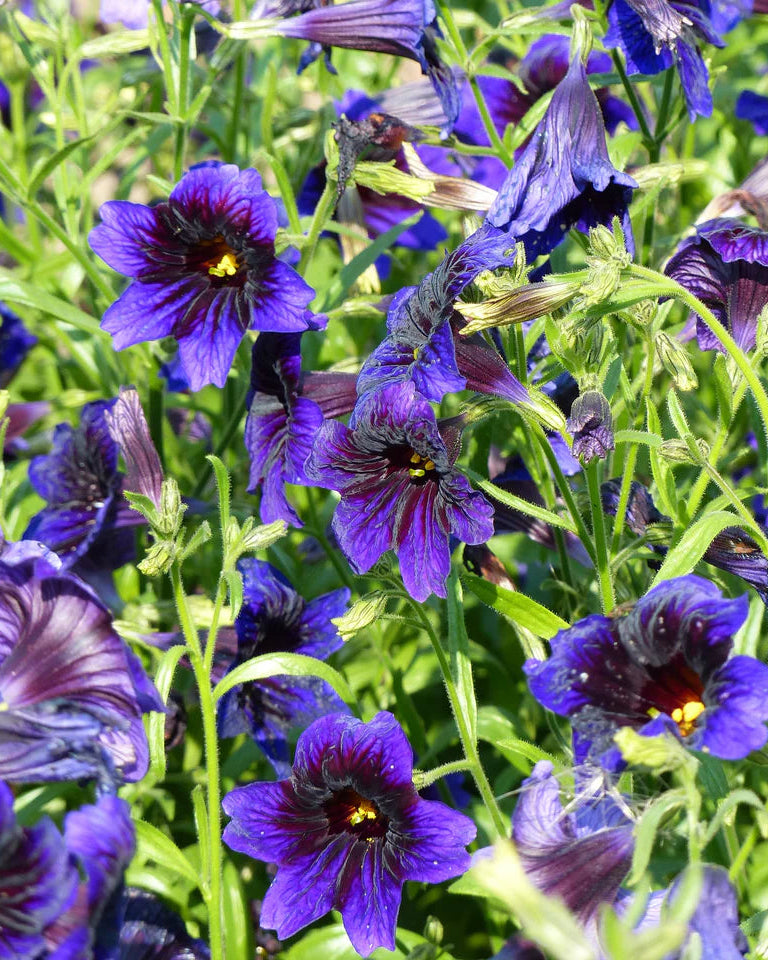
Nothing dazzles the eye quite like Salpiglossis. Also known as painted tongue, the flower is reminiscent of a gramaphone in form. Salpiglossis sinuata offers a delicate but striking fly-away in the garden and bouquets. They are much hardier than given credit for, and produce blooms late spring through fall if deadheaded regularly. Sticky, basal growth, strong stems, and a colorful overstory means this is a great way to fill in blank spaces in the garden. If left to go to seed, expect to see blooms for years to come.

growing guide

preparation

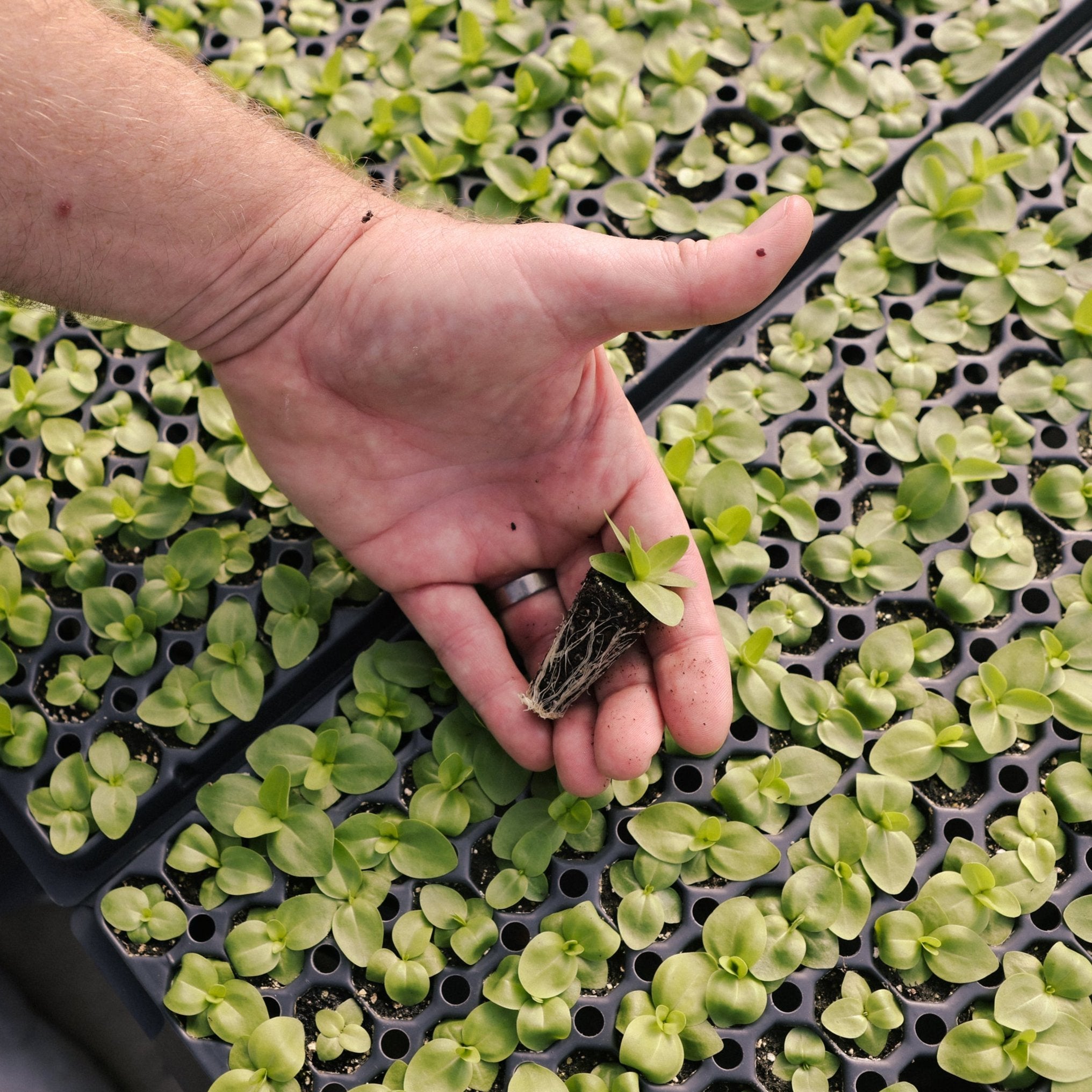
For such a delicate-looking flower, Salpiglossis is hardy and adaptable. They do best in loose, well drained, rich soil and don't require special fertilizer. Keep soil evenly moist but avoid over- or underwatering while still in their plug trays. Any stress experienced by the sensitive plugs at this stage may cause them to stunt or flower prematurely, lowering the overall performance of the crop. Salpiglossis can be grown across the USA, but growers in milder zones (or in zones with mild winters) can likely produce the best quality cuts.

growing guide

Growing

Space plants 9-12" apart to allow for proper airflow and room for growth. Some growers suggest that planting closer will encourage long stems, but in wet and humid areas, cramped conditions can promote fungal and foliar diseases. Plants with adequate sun can be as tall as 2'.

Photo Credit: By Hephaestos at the English-language Wikipedia, CC BY-SA 3.0

growing guide

Cut Flower tips

Harvest stems when a couple of flowers are open and the rest are still in bud. Buds will continue to open in the vase. The one downside to harvesting these plants is that the stems are sticky, similarly to Petunias or Nicotiana (they're in the same nightshade family). Cut stems should immediately be placed into a bucket of cool water. Condition in a cooler for a few hours to ensure cut stems are hydrated before use. Expect a vase life of approximately a week; a floral conditioner may help maximize vase life. They are susceptible to common plant pests such as aphids, spider mites, and whiteflies. Prevent infestations by maintaining good air circulation and inspecting plants regularly. Diseases such as botrytis and root rot can occur in poorly drained soils; ensure proper drainage and avoid overhead watering.

Photo Credit: By Nadiatalent - Own work, CC BY-SA 4.0

Leave a comment

This site is protected by hCaptcha and the hCaptcha Privacy Policy and Terms of Service apply.