growing guide

Scoop Scabiosa

Until recently, garden scabiosa came in two popular forms; annual scabiosa, or S. atropurpurea which can easily be grown from seed and completes its entire lifecycle in one season, and perennial scabiosa, S. caucasica, which takes a few years to mature but reliably flowers with large, pincushion-like blooms each season. Thanks to modern plant breeding techniques, we now have hybrid varieties which boast the best characteristics from both species; these are the Scoop Scabiosa, aptly named as the large, mounded blooms resemble a generous scoop of ice cream. These scabiosa have not been readily available to the home gardener; instead, only available to professional cut-flower growers across the globe. We are thrilled to offer Scoop Scabiosa in small quantities for hobby gardeners to enjoy in their own gardens. These plants are considered short-lived perennials in milder zones where they survive over the winter, but they can be grown as an annual plant anywhere across the USA. We suggest fall-planting scoop scabiosa in zones 7 and above for large, highly productive plants come spring, but in northern zones they can be planted in the spring a couple of weeks before your last frost. As young plants they can handle cooler temperatures and light frosts but should be protected against hard freezes.

growing guide

preparation

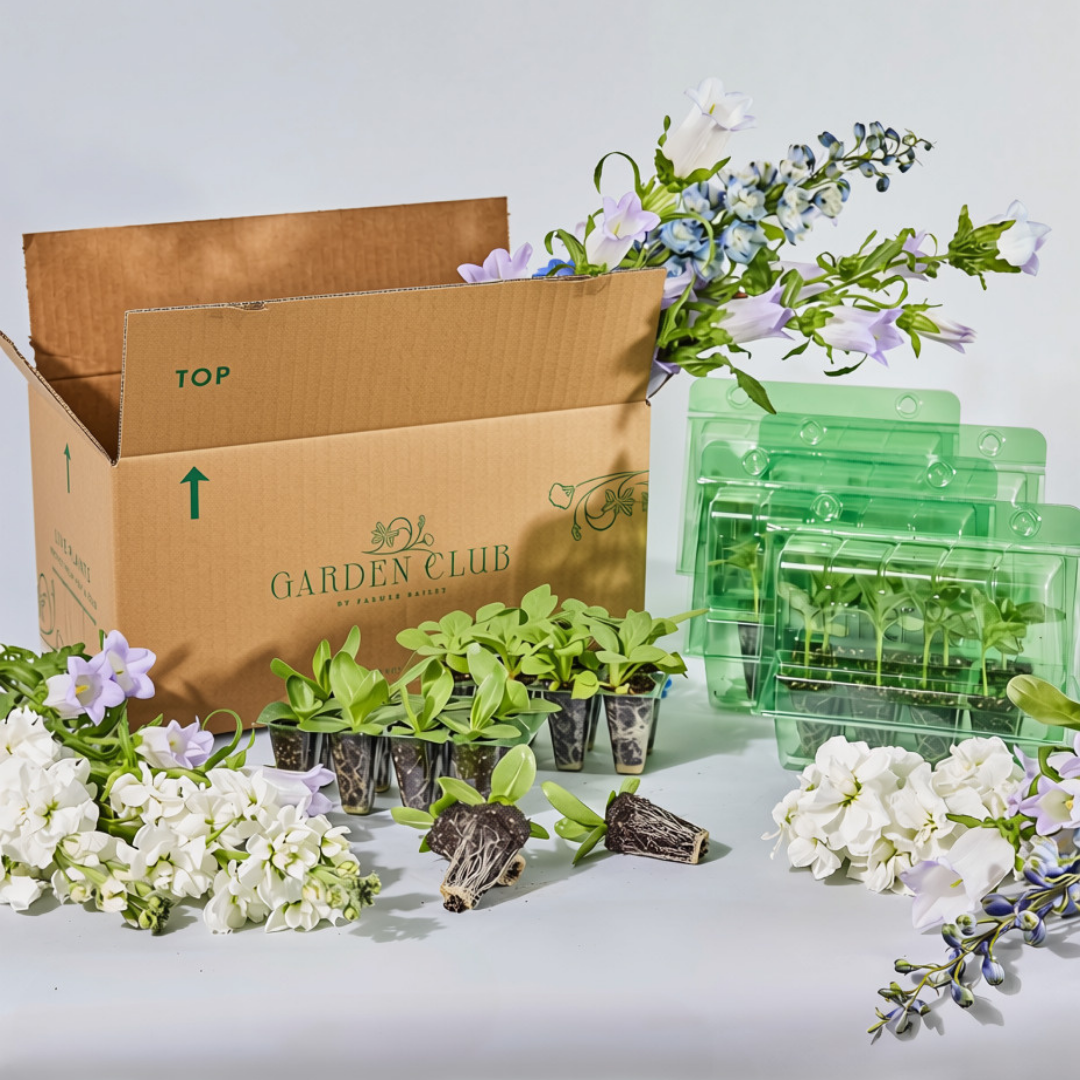
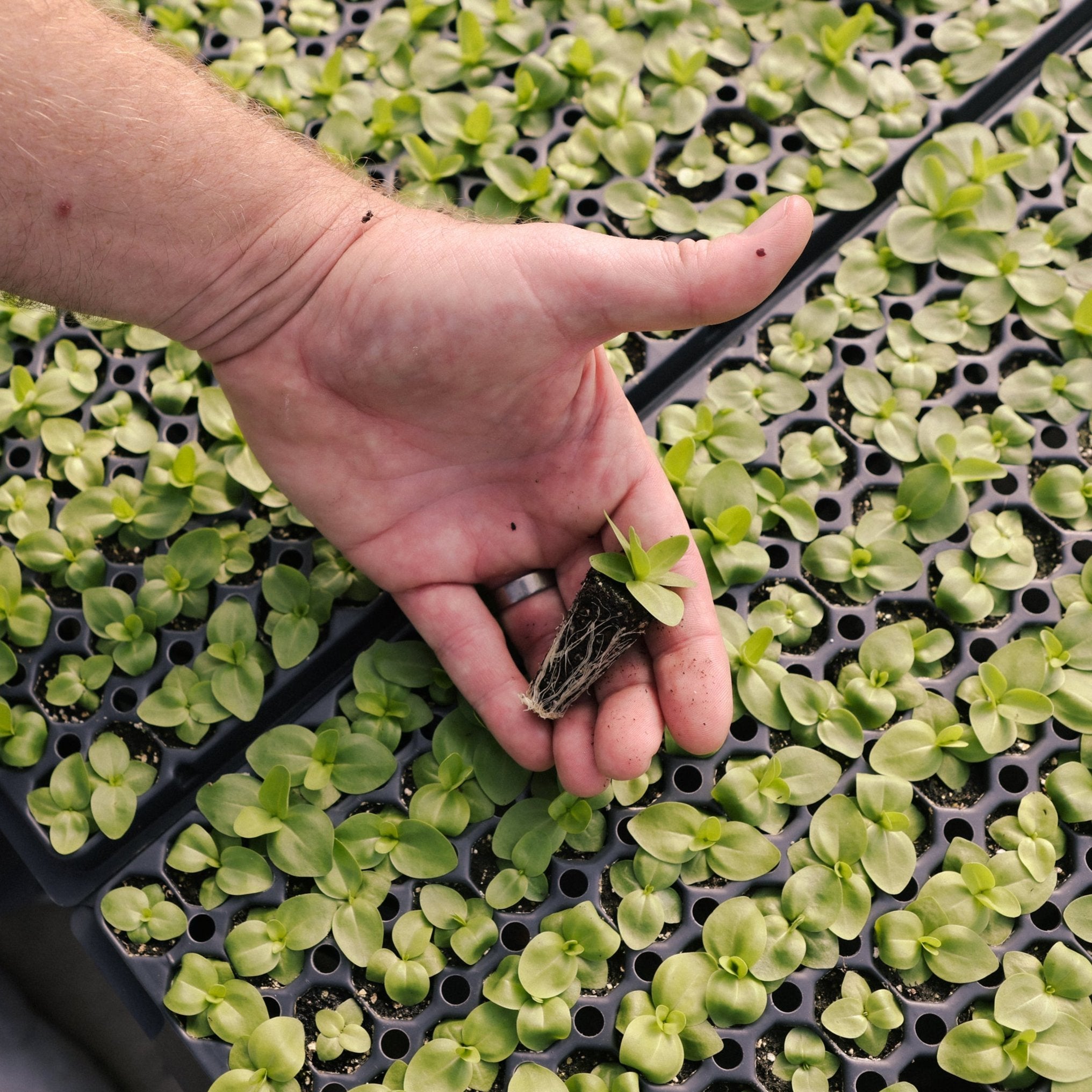
Order plugs to be delivered for planting at the right time for your zone – as mentioned, this might be spring or fall, depending on your growing zone. They will establish much better under cool conditions, so give them as long of a cool, frost-free establishment period as possible before the heat of summer sets in. They prefer a temperature range between 32 and 80 degrees Fahrenheit where they will actively grow – below this range they will sit dormant until conditions allow for active growth, and above this range they will slow in production. Flowers will be smaller at higher temperatures. When plugs arrive, take a few days to gradually harden them off to outdoor conditions before planting them out in an area that receives full sun. Prepare the planting bed prior to planting by incorporating some compost and granular fertilizer; scoop scabiosa are relatively heavy feeders and prefer loose, well-draining loamy soil. Scoop scabiosa are considered facultative long-day plants, which means they flower best under the long day lengths of spring and summer – they will stay vegetative while day lengths remain under 12 hours.

growing guide

Growing

You will quickly discover that these plants grow quite large when grown under optimal conditions. If you can provide a long, cool establishment period, the flower stems might reach up to 4-5 feet or taller; under less-than-ideal conditions they might only flower at 3 feet or so. Due to this height and the nature of large, top-heavy blooms, it’s a good idea to stake plants early to be sure they don’t topple in the wind. Pinch the plants once when young to encourage heavy side-branching; this will create a more floriferous plant later in the season. If you need to cut back rangy, untidy plants mid-season, that’s OK: they will respond with fresh new growth. A word to the wise: if you’re a gardener that prefers tidy, compact plants, this one is not for you. Although the plants themselves might not be stunning, the blooms surely are! It will take a couple months after planting to see the first flowers appear, but they are highly productive plants and will continue to churn out blooms all season long. Although typically resistant to most diseases and pests, watch for thrips, aphids and other typical plant pests.

growing guide

Cut Flower tips

When harvesting scabiosa flowers to enjoy indoors, the correct stage to pick is when 1/3 of the florets are open on a flower head, or when the first ring of florets has opened around the outside of the flower. Cut deep into the plant, it’s worth sacrificing a couple small side shoots or side buds for the longest possible stem. The more you cut, the more you received, so be sure to cut off any faded or spent blooms. Cut stems should immediately be placed in a vessel with cool, fresh water – the use of floral food will help prolong the vase life. Change the water every few days and re-cut the stems with each water change to keep the flowers fresh for as long as possible.

Leave a comment

This site is protected by hCaptcha and the hCaptcha Privacy Policy and Terms of Service apply.