growing guide

Matthiola (Stock)

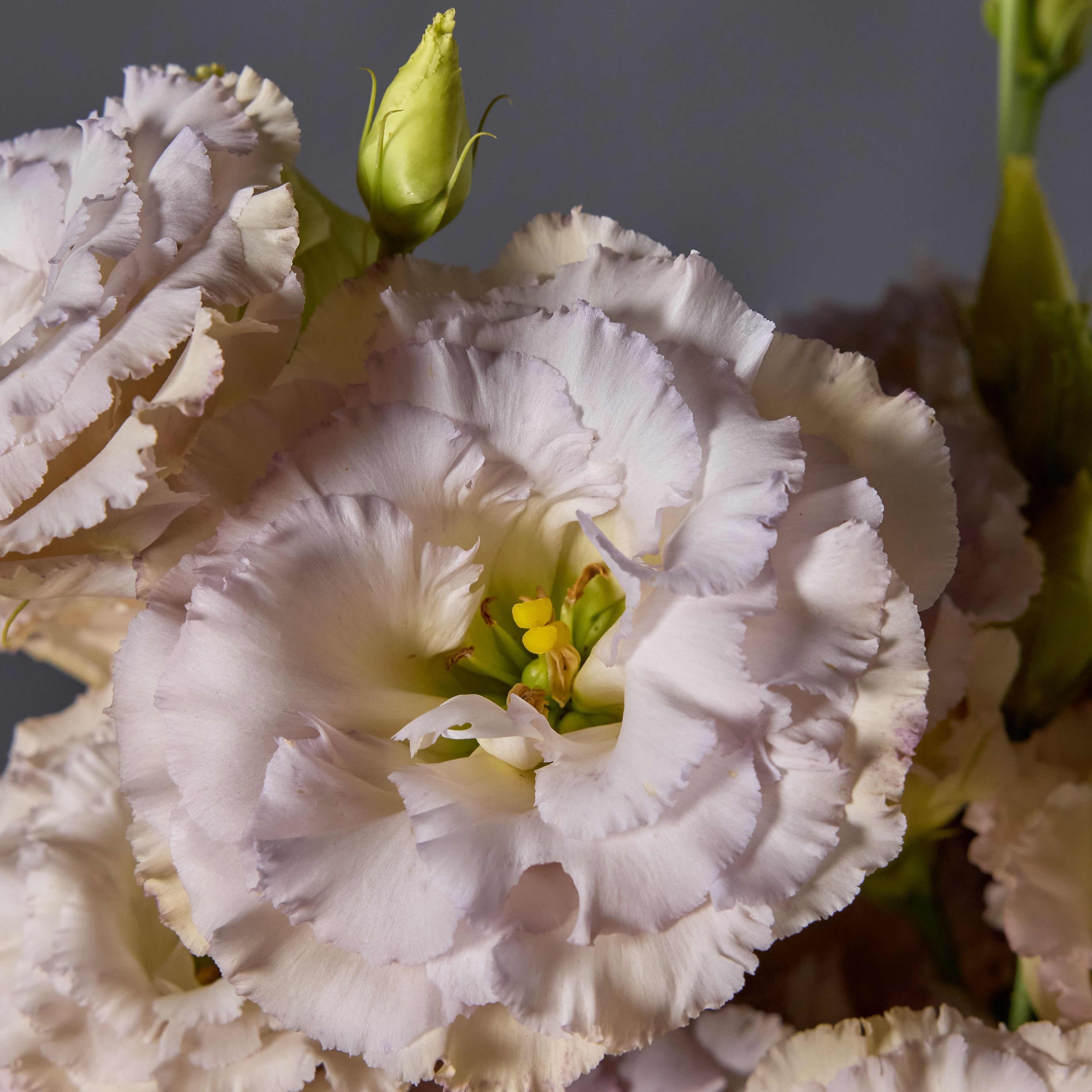
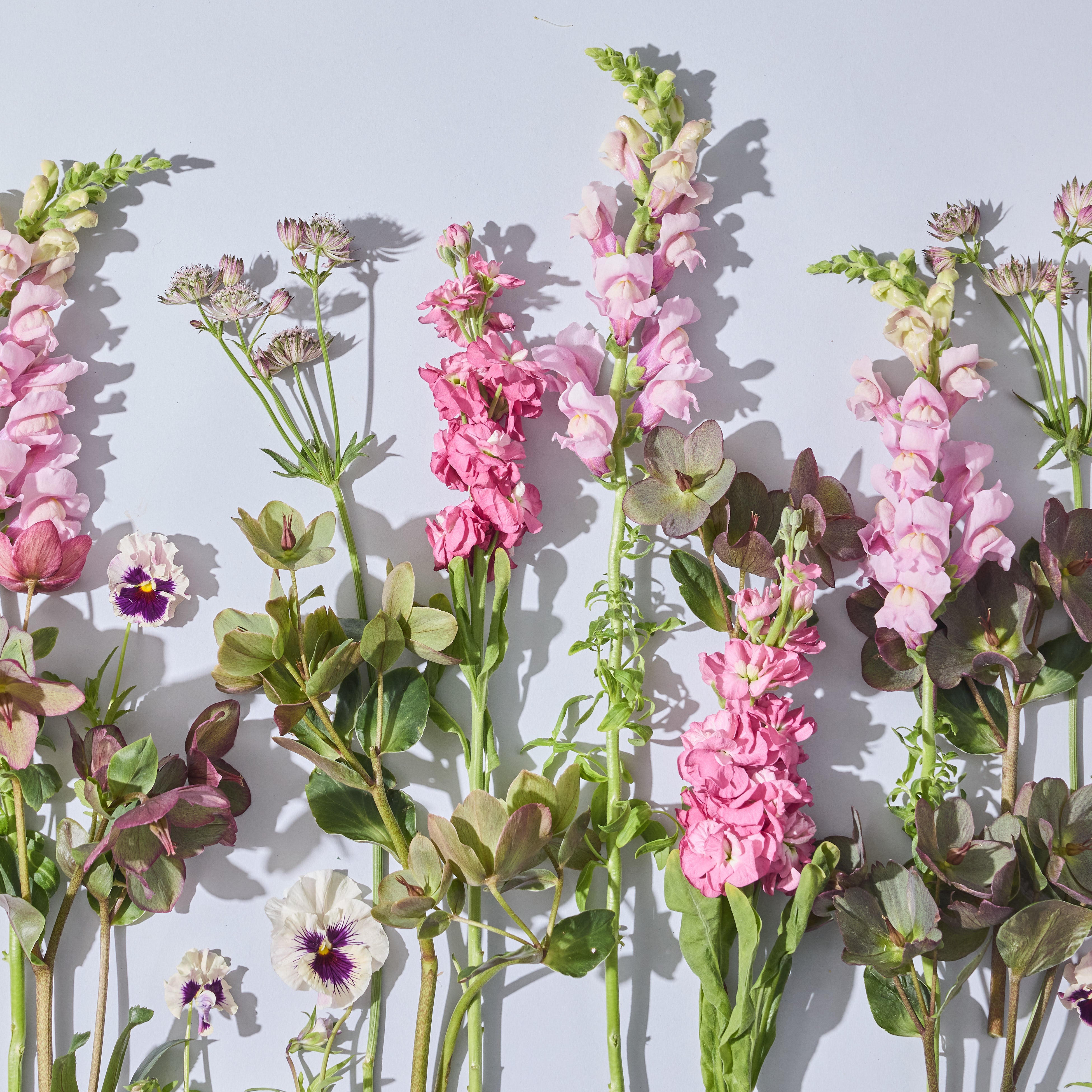
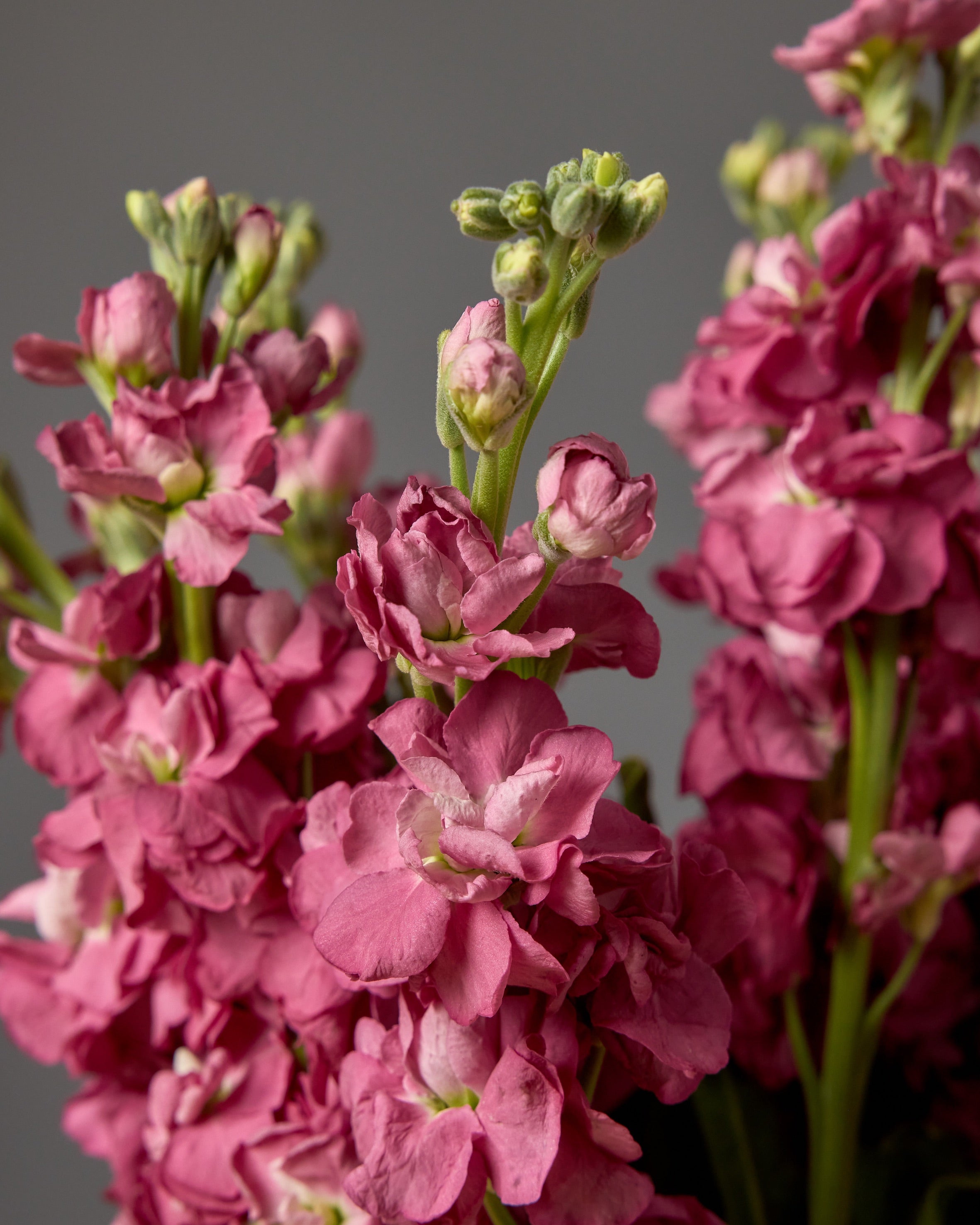
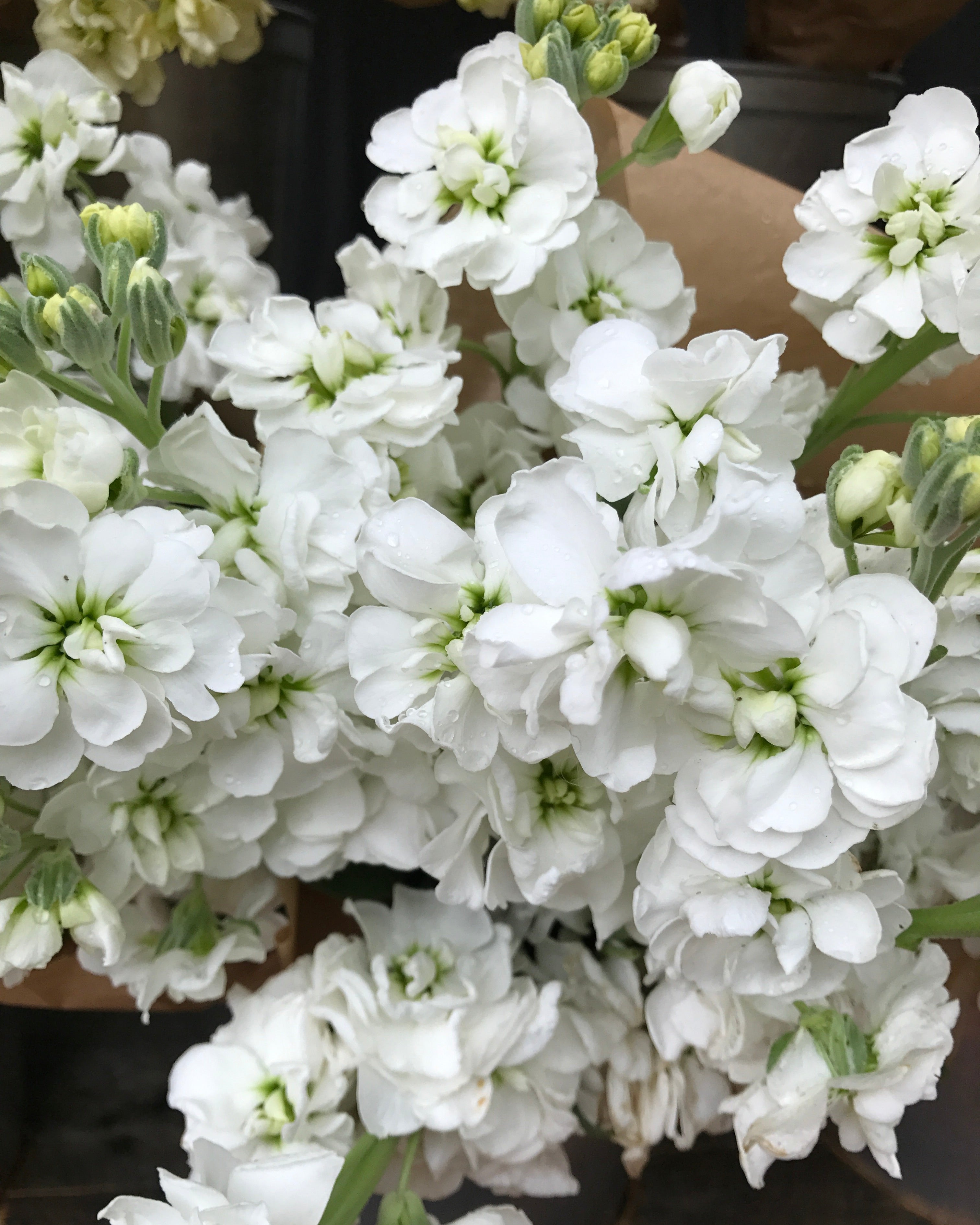
What we commonly refer to as Stock is Matthiola incana, a member of the brassica family. The name stock probably comes from the thick, fleshy stem these flowers possess. When we think brassica, we often think of a specific odor that veggies like brussel sprouts, broccoli, cabbage and kale emit; I’m happy to inform you that Stock flowers have one of the most incredible scents in the flower world – sweet and spicy, almost like cloves. Stock prefers to grow in the cooler months of winter and spring and can be grown as a hardy annual across all the USA, just at different times of the year depending on your USDA hardiness zone.

#color_white

growing guide

preparation

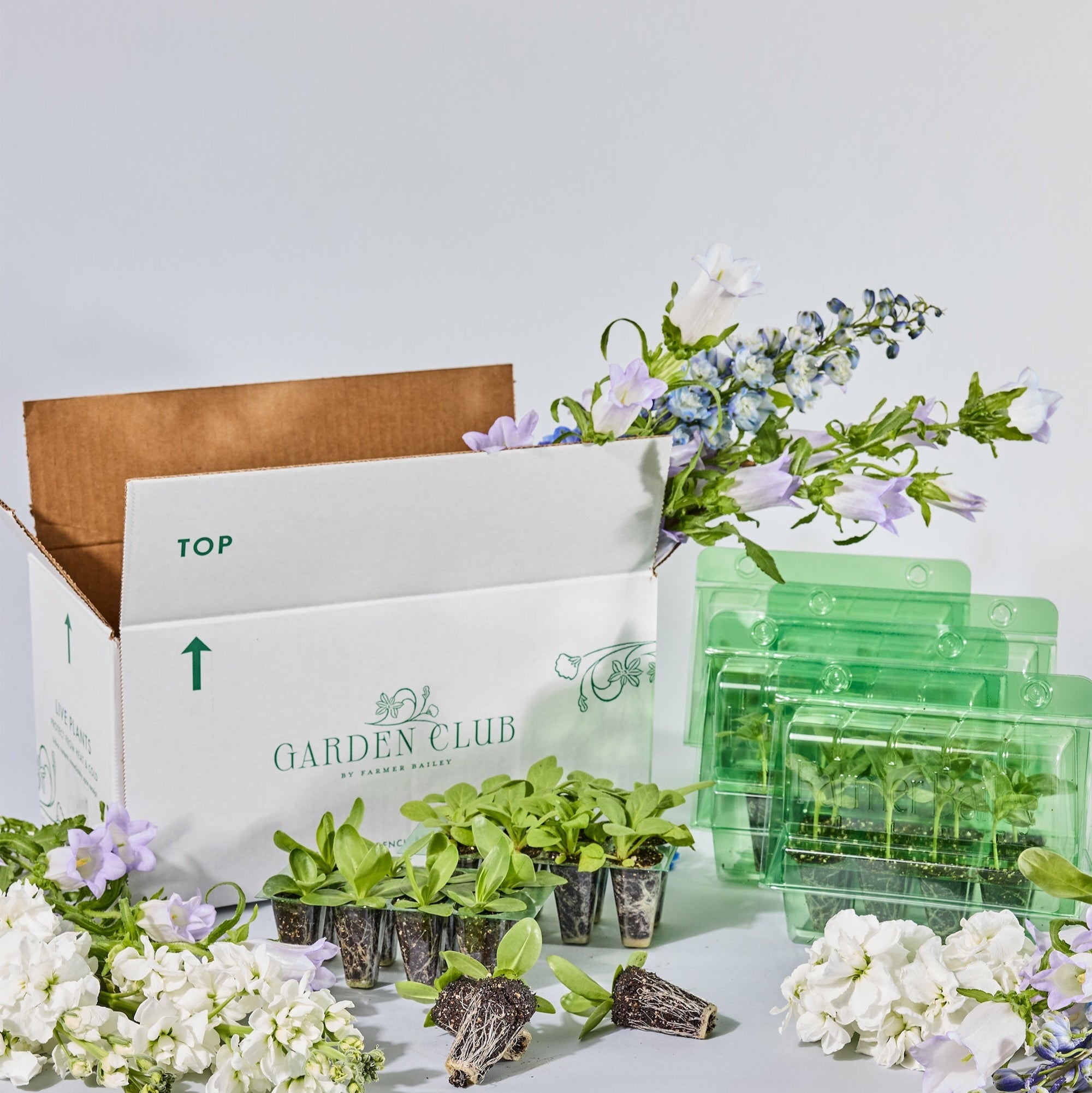
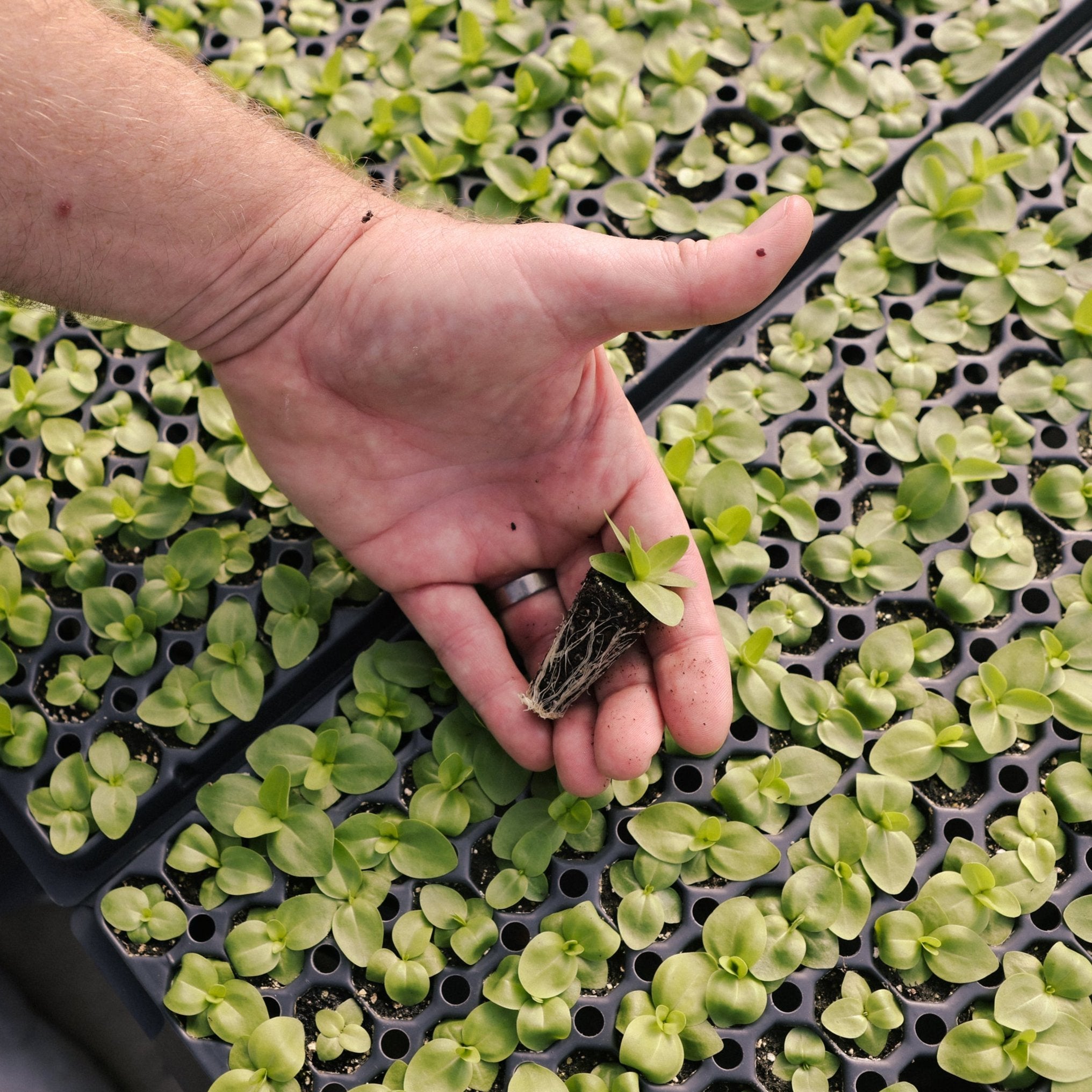
Order your stock to arrive at the right time of year for immediate planting. In most zones, you will want to plant your stock in early spring, about a month before your last expected frost. You can also plant in the fall under the protection of a hoophouse or greenhouse. In the south (zone 8 or higher) you can plant in the fall but be prepared to protect your plants if the temperature is to drop well below freezing. Stock grows well over the winter, unprotected, in zones 9 and 10. Its preferred temperature range is between 28 and 75 degrees Fahrenheit; the cooler you can grow your stock while keeping it above freezing, the better it will be. Plugs should be hardened off and planted out within a few days after arrival; prepare the planting bed by amending the soil with compost and granular fertilizer. Don't delay planting; stocks have a strong taproot and will not recover if left to become root-bound in the seedling trays. Stocks prefer loose, well draining soil with high levels of organic matter; during periods of active growth, it’s best to feed stock plants once a week or every two weeks with a water-soluble fertilizer. Any generic fertilizer with a balanced NPK ratio, or one specifically developed for flowering annuals will work; whatever you have access to at your local garden center. The best quality stock is always grown with adequate water and food – hungry or thirsty plants will not reach their full potential.

growing guide

Growing

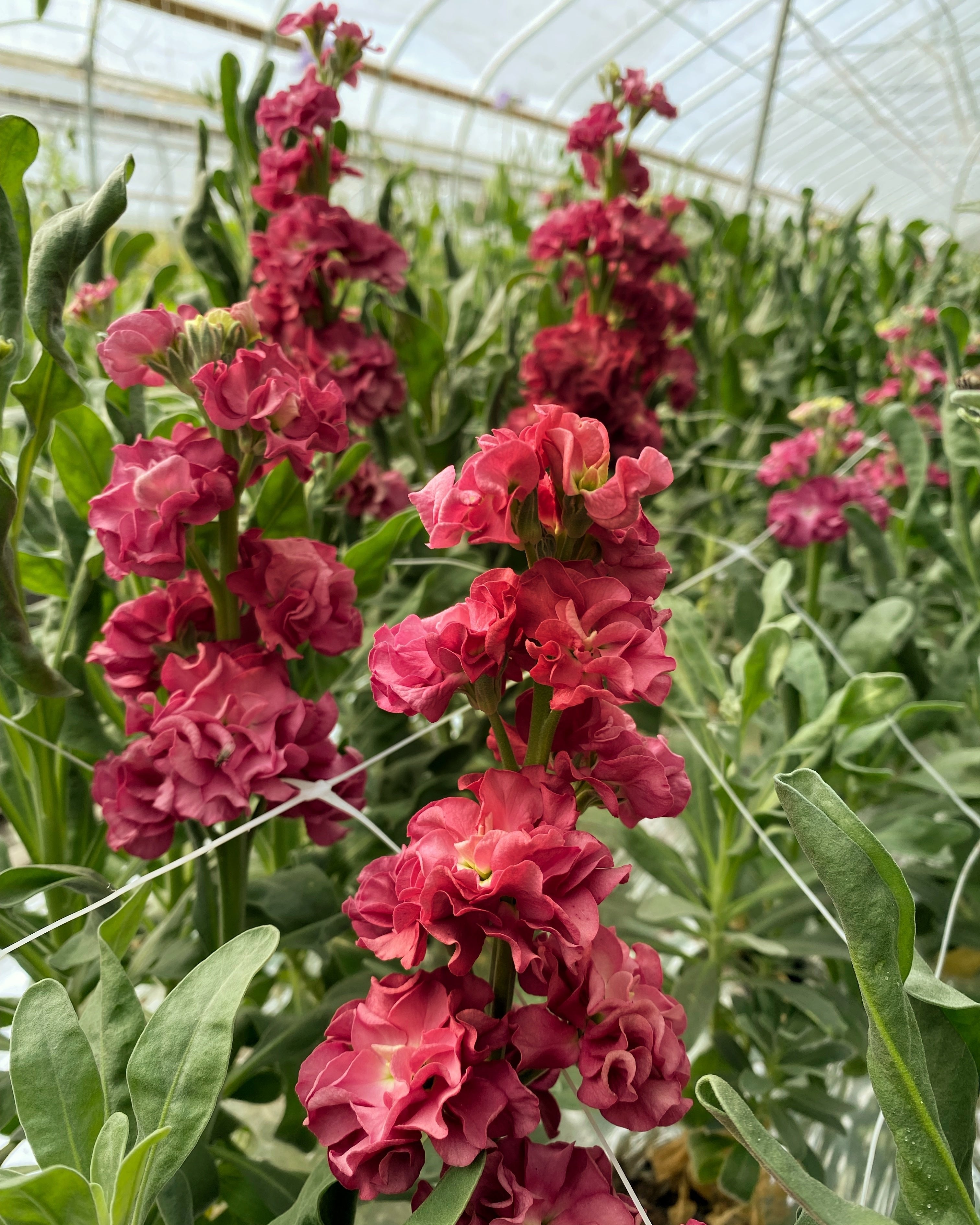
When planting your stock plugs, you can plant them close together; 5-6” should be sufficient. Do not pinch your plugs – if the growth tip is damaged or dies due to frost, your plant will not flower properly. Typically, each plant only produces one stem; these are not long-lived plants and are certainly not cut-and-come-again; you have one shot at a good quality stock plant. You can expect the stock to start budding as early as 2 months after transplanting, but it's highly weather and temperature dependant. Growth speed will increase parallel with increased warm temperatures and sunny days the plants receive. Don't be alarmed if you see buds forming on seemingly short plants - they add a significant amount of height between the time of bud initiation to full bloom. Stock grown under the ideal conditions can achieve 3-foot stems, but this is rare in garden cultivation where the plants can be expected to top out at around 2 feet. As long as proper conditions are met, and the soil the plants are growing in remains moist but well-draining, stock plants are highly resistant to most pests and disease. Watch for aphids, thrips or other common plant pests that may occasionally occur. Downy mildew and Botrytis can occasionally infect plants during periods of extreme wet weather, especially if the foliage stays wet for long periods or the soil becomes overly saturated and the plants succumb to stress.

growing guide

Cut Flower tips

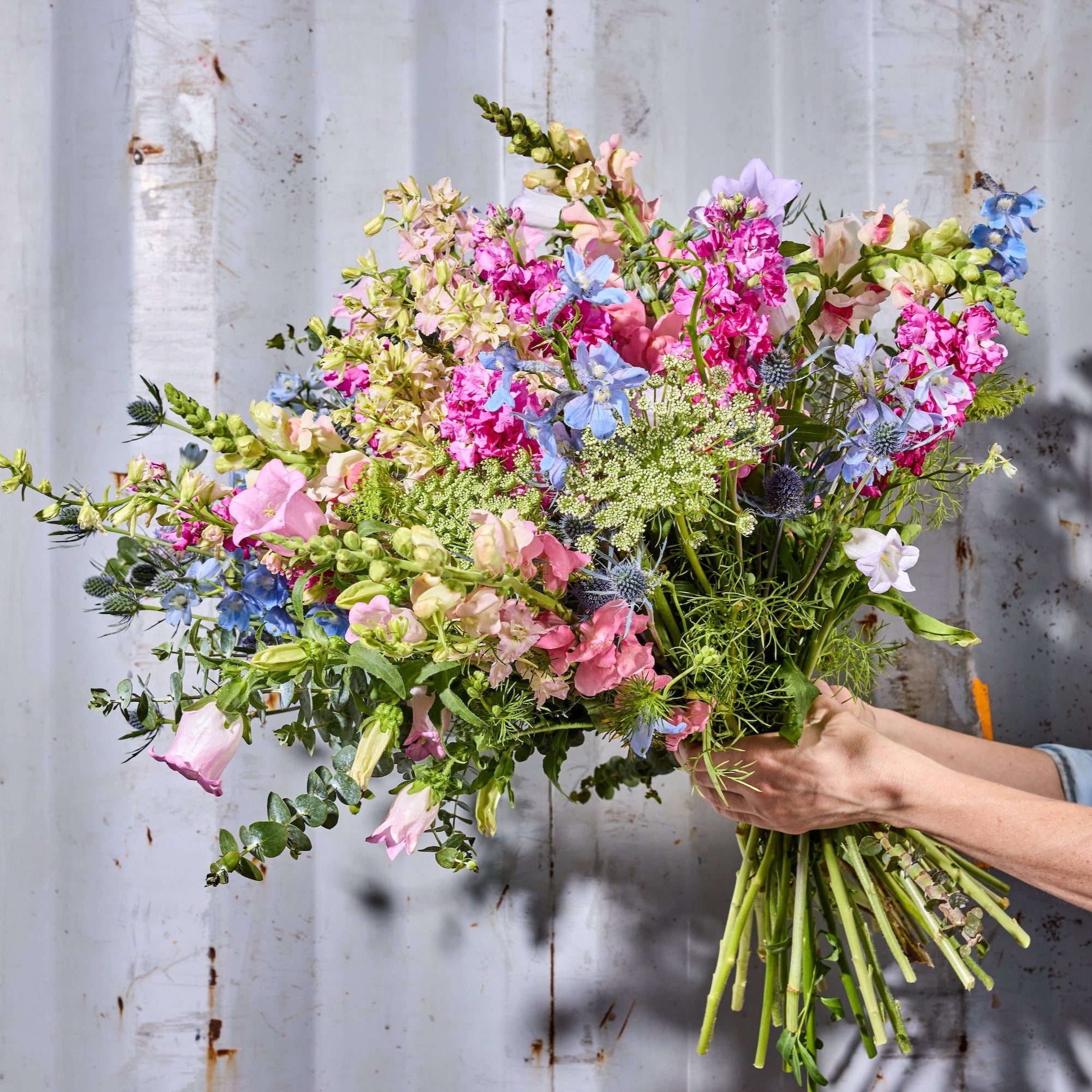
Once you smell that spicy clove scent, you’ll want to bring handfuls of stock flowers into your home to enjoy. Cut stock stems when 2/3 of the florets on the stock are open. The remaining buds will open in the vase if they are mature when picked – tight beds should not be expected to open post-harvest. If kept somewhere cool, out of direct sun and away from sources of ethylene gas (ripening fruit), you can expect a vase life of up to two weeks! Change the water in the vessel frequently and re-cut the ends of the stems with each water change; the use of floral food will help maximize the vase life and keep the stock flowers looking fresh. Although they might sound a little finicky at first, they reward a gardener’s hard work with the most impressive display of flowers and an intoxicating fragrance.

Leave a comment

This site is protected by hCaptcha and the hCaptcha Privacy Policy and Terms of Service apply.