




growing guide
Lisianthus
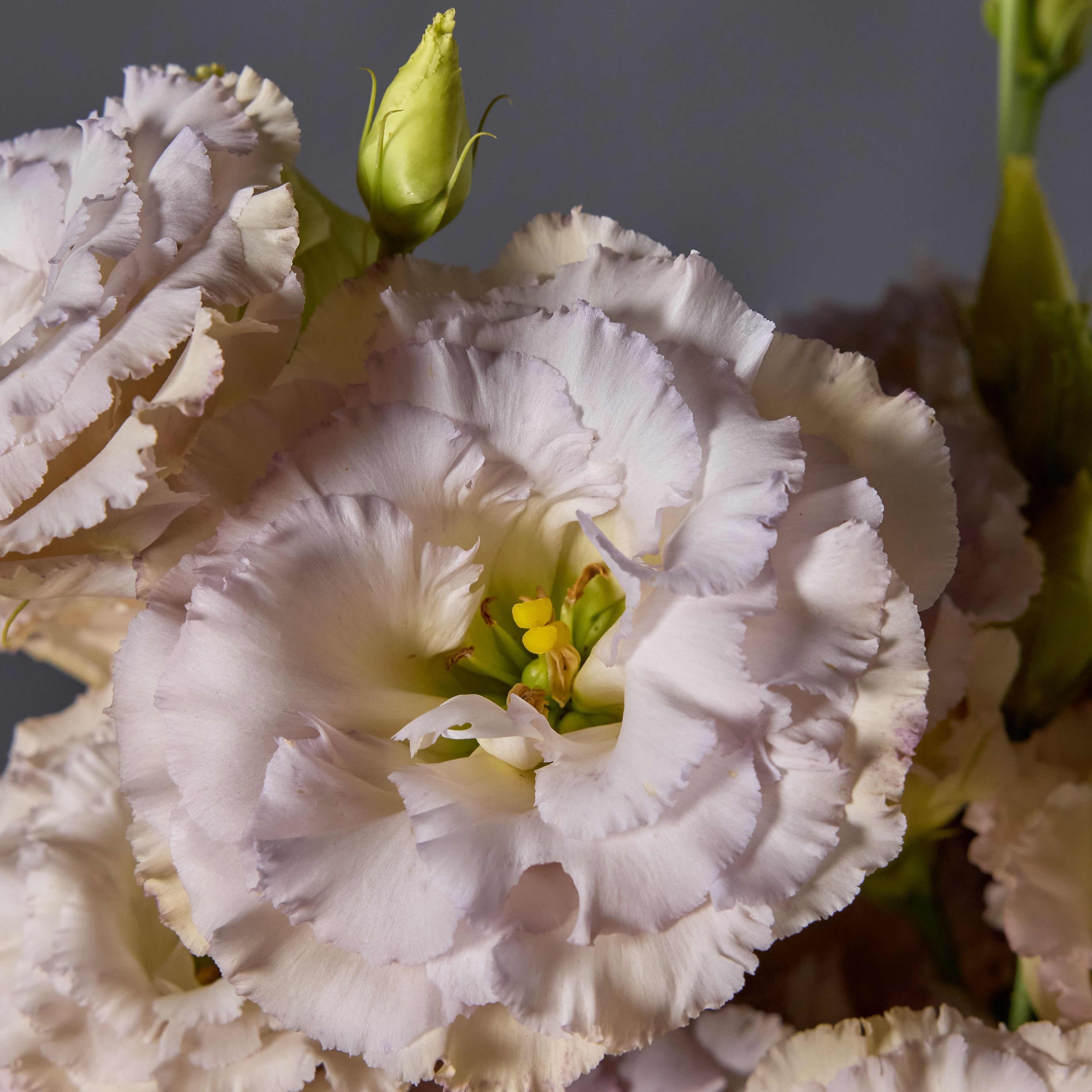
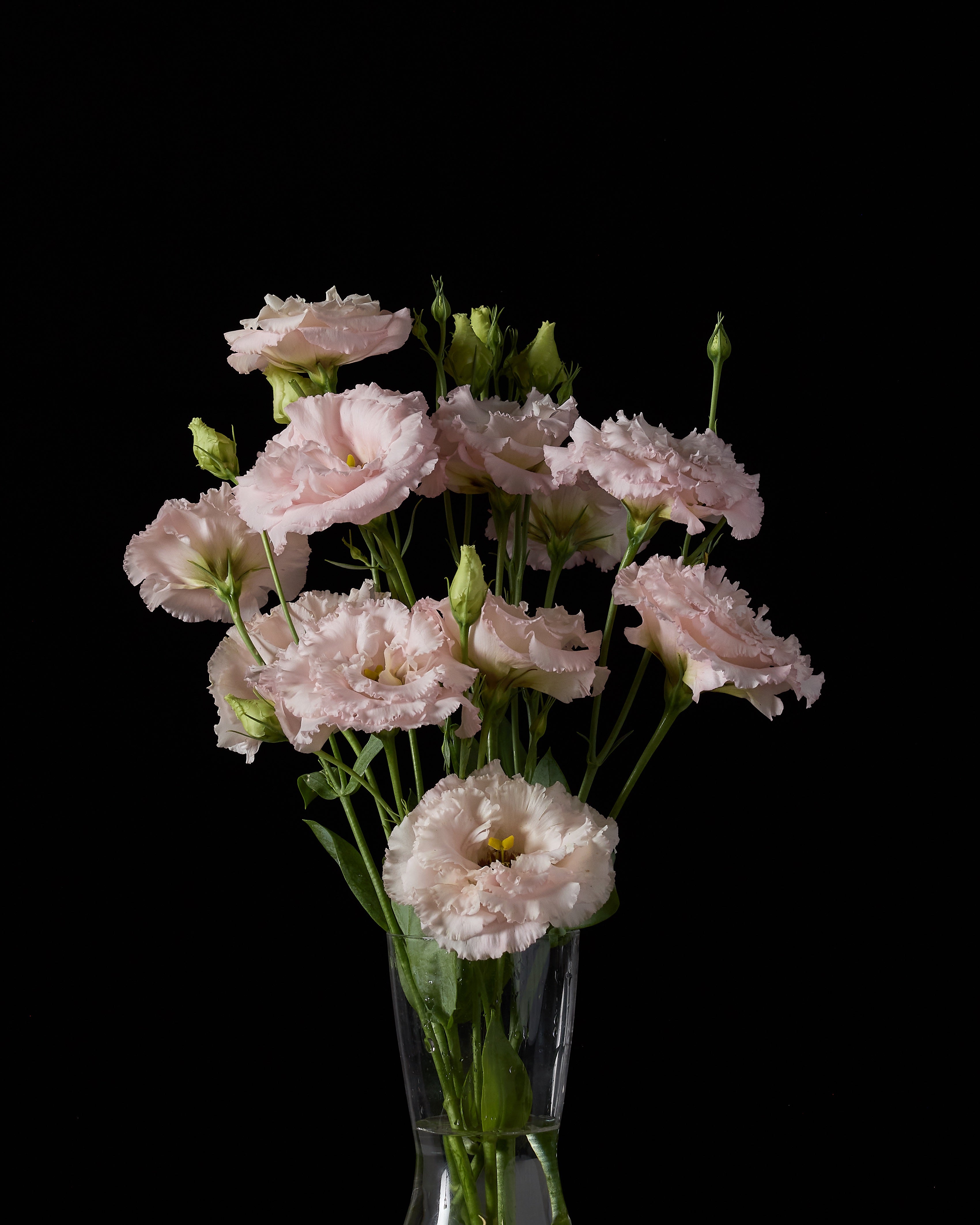
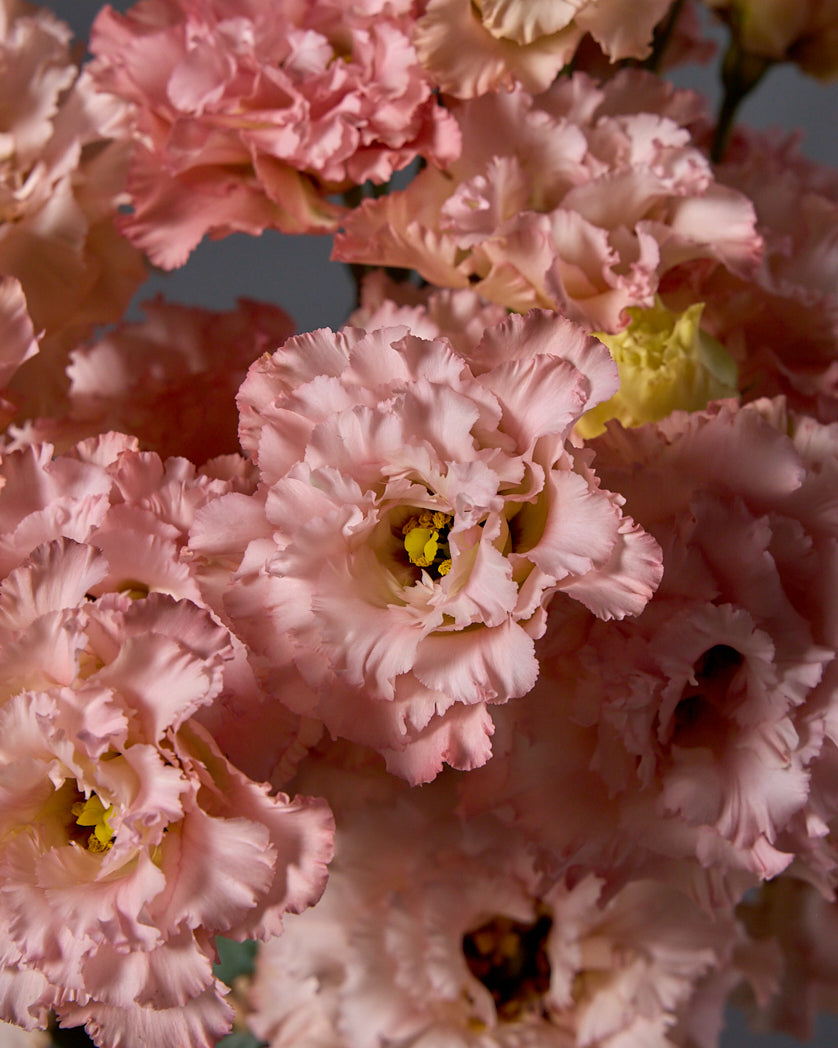
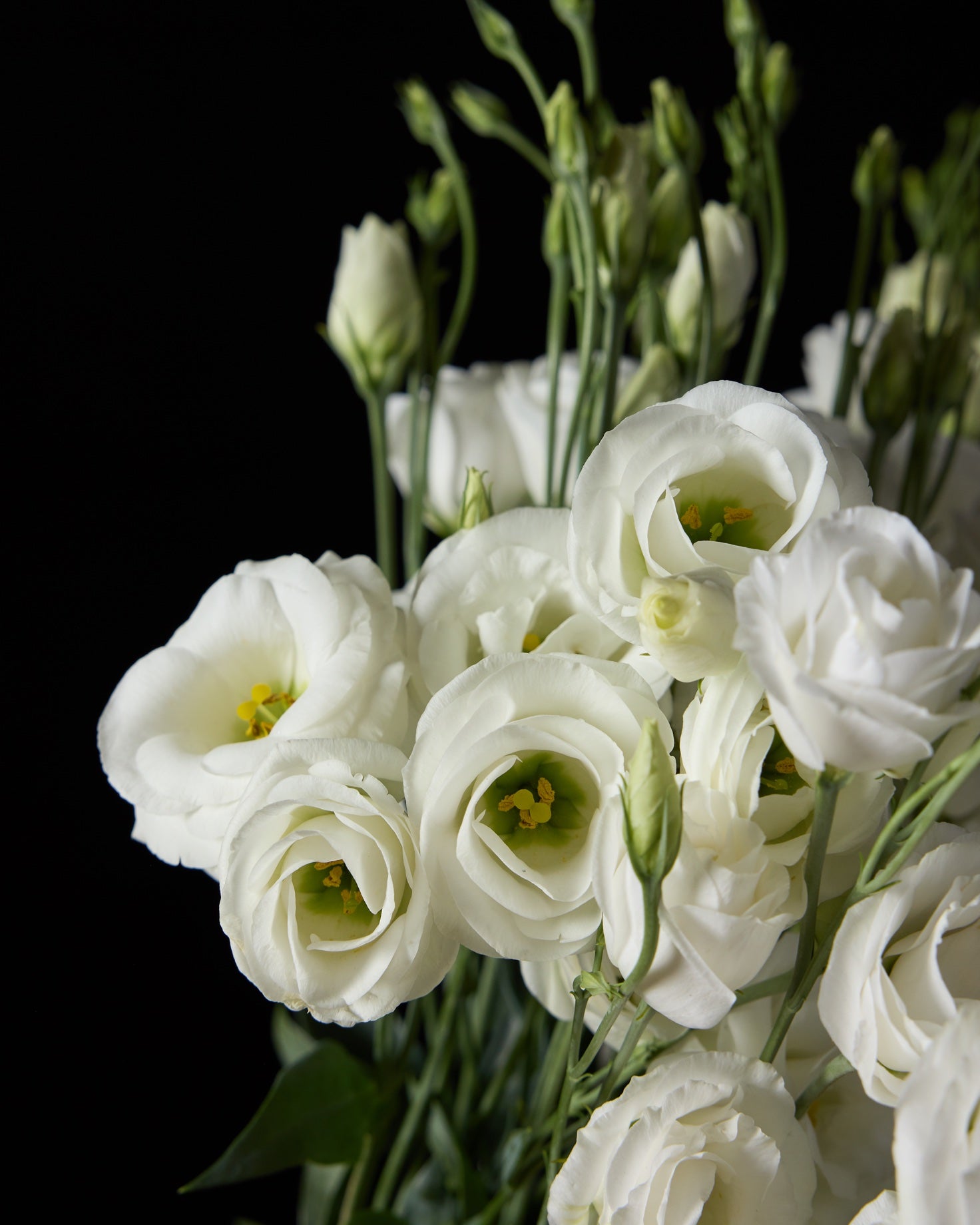
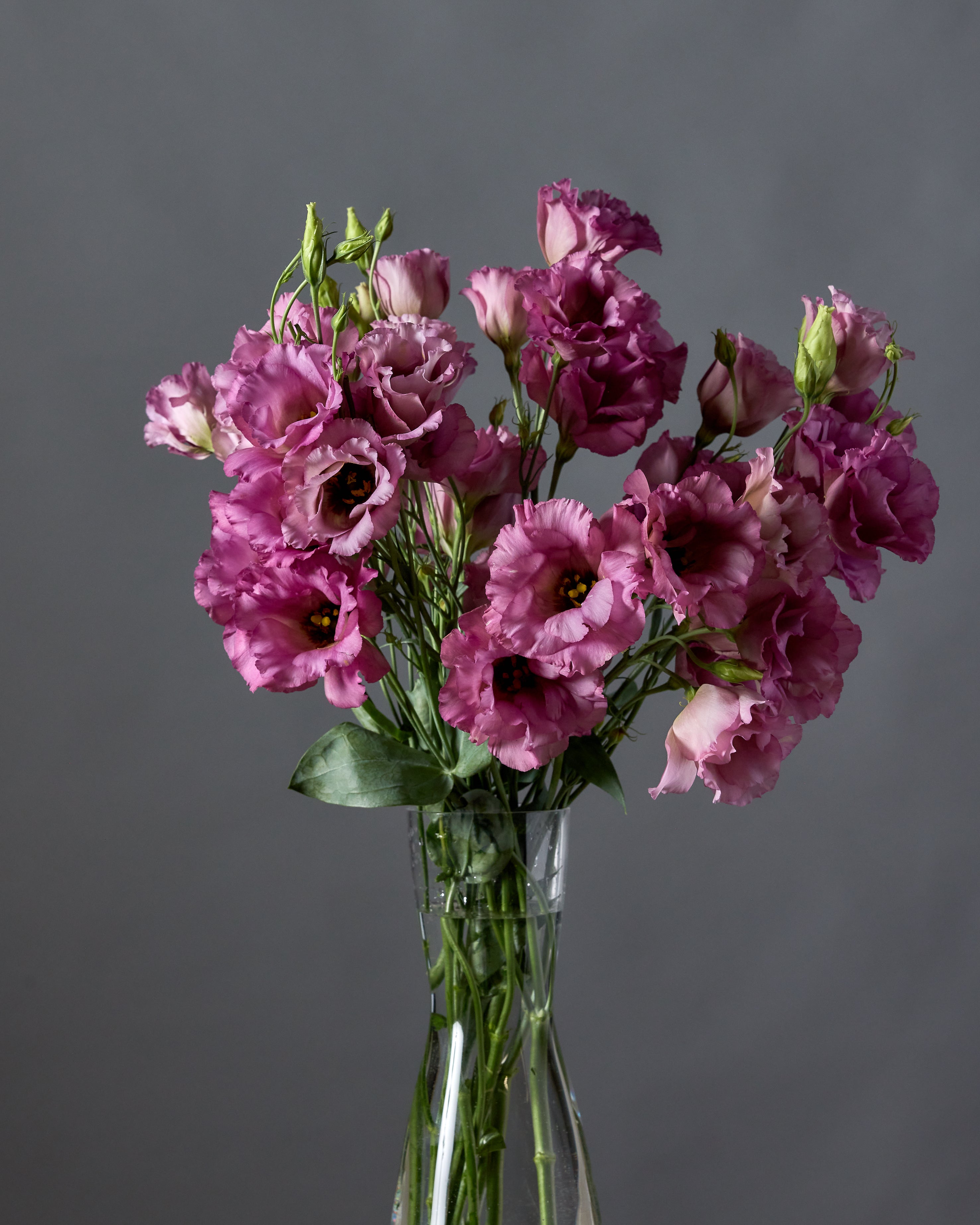
Lisianthus are a must grow. Period. Their beauty rivals garden roses, but with some specific elements in mind they are much easier to grow and will not succumb to the plethora of fungal and pest issues that plague most garden roses. Unlike roses, lisianthus come in true blues and purples and better yet – no thorns! Also known as tulip gentian, lisianthus (Eustoma grandiflorum) are a lesser-known southern US wildflower that have been selectively bred to boast a vast array of flower shapes, colors and petal forms from small wildflower-looking sprays to large, frilly blooms 4” across. Depending on your desired outcome, lisianthus are equally charming while flowering in the garden, in a patio pot or in a vase on the kitchen counter. Though considered a short-lived perennial in warmer hardiness zones, lisianthus can be grown as an annual in most zones across the USA including the chilly north. The fact that they have an incredible vase life of 2 to 3 weeks despite their fragile appearance has also garnered their popularity.
growing guide
preparation
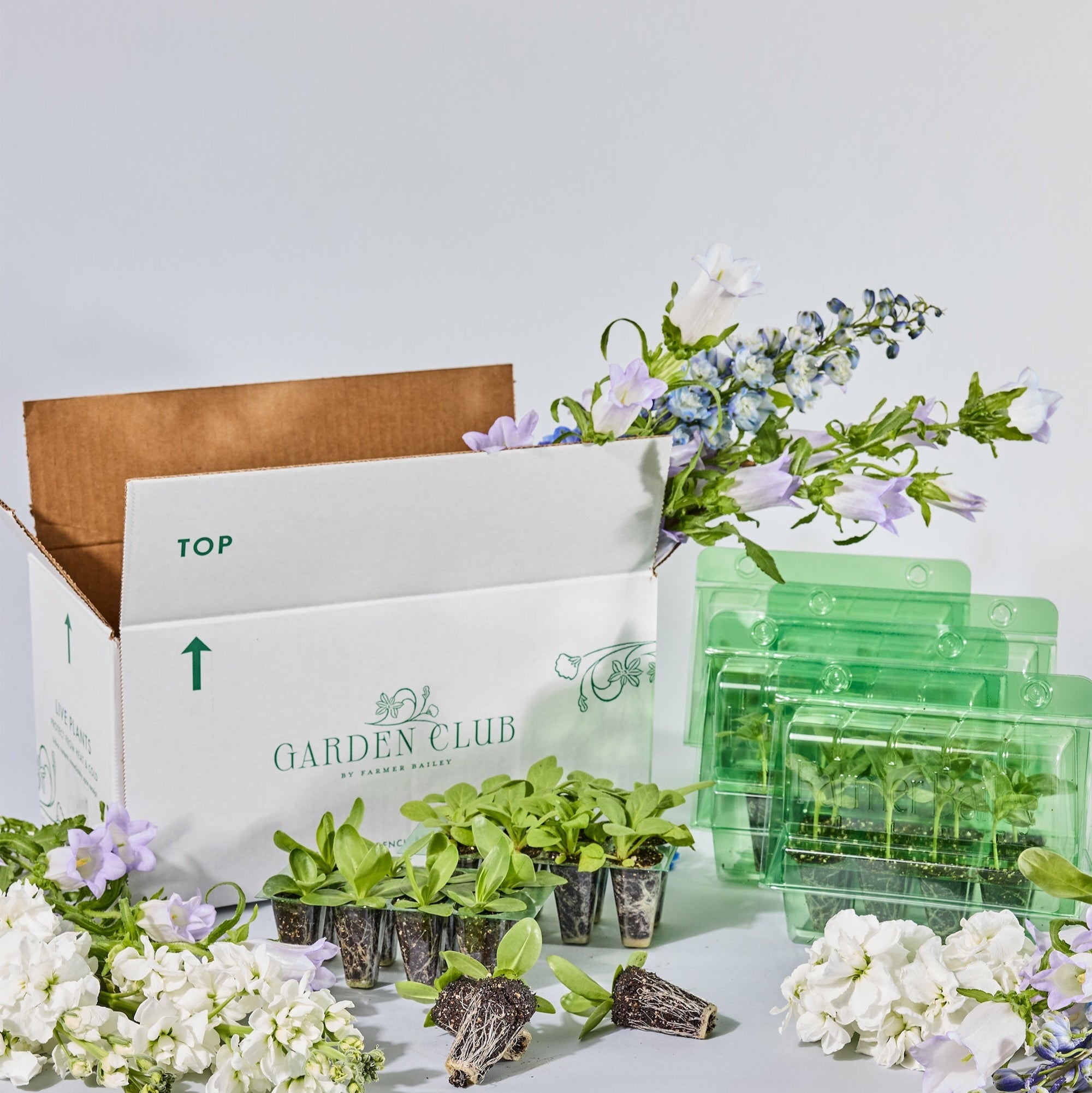
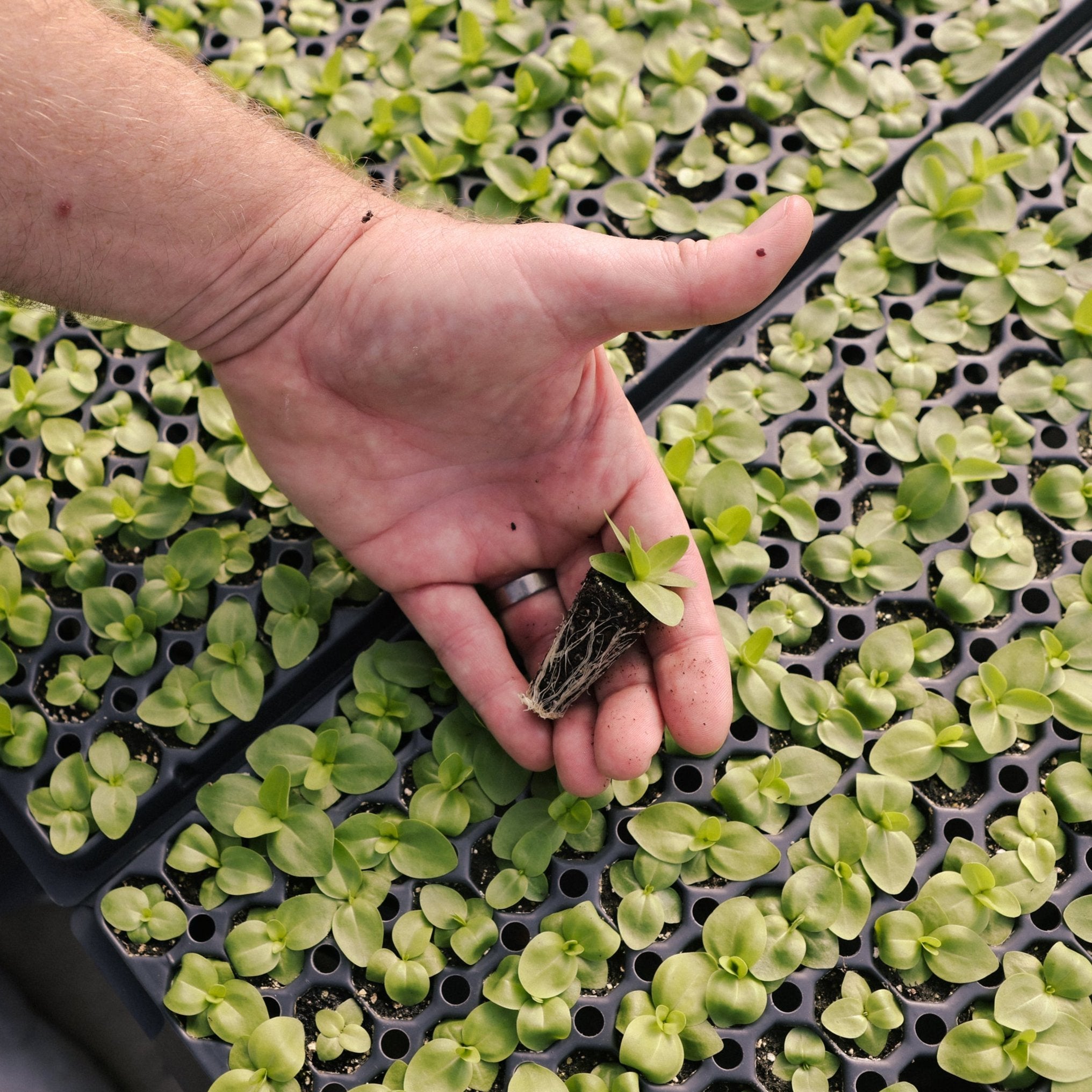
Lisianthus are notoriously difficult to start from seed – not only are the seeds the size of dust particles, they are also extremely slow to grow after germination. We have taken care of the most challenging aspect of growing lisianthus for you; simply order plugs to be delivered at the proper time for your climate and watch them grow and bloom with ease. When you should plant them depends on your hardiness zone and last frost date; lisianthus plugs prefer to be planted during the cooler months of early spring, about 2-3 weeks before your last frost date. For the plants to develop vegetatively, with strong roots and a stocky well-branched plant prior to flowering, they need about a month of soil temperatures below 55 degrees Fahrenheit. Young lisianthus can withstand frost when planted in the ground, with temperatures down to 20 degrees Fahrenheit being the lowest they should be exposed to without some kind of protection (like frost cloth). When your plugs arrive, do not delay on planting them out – lisianthus should never become root-bound in their seedling trays, otherwise they may stay stressed and stunted. Plant them into well-prepared soil, ideally loose but moisture retentive soil of medium fertility; I prefer to incorporate some compost and granular fertilizer at the time of planting. Water well after planting, and do not allow the soil to dry out completely – when young, lisianthus like a lot of water and will become stressed if the soil dries out too far. Older, mature plants are much more tolerant of high temperatures and less frequent irrigation, but there is no reason to withhold water if you have a steady supply of it. Lisianthus are considered facultative long-day plants, but multiple factors encourage the plants to initiate bud development, including the long daylengths of summer, warm temperatures, and high sun intensity.
growing guide
Growing
Lisianthus can be planted quite close together depending on the desired outcome; for cut-flower production they can be spaced as close as 8 per square foot, but in the garden you can be more generous with spacing. I prefer to plant them in groups of 3 or 5 plants as individual plants may get lost in the landscape, but groupings of lisianthus really stand out. It is imperative that you support these plants when buds begin to develop if not sooner, as the large flower heads catch rain and wind and the plants will more than likely topple if left unsupported. In optimal conditions lisianthus can reach 3 or more feet in height, but it’s not uncommon for lisianthus to bloom at about 2 feet in height. It is also imperative that any weeds are promptly removed if growing near the young lisianthus as they are relatively slow to establish and will be outcompeted by weeds and grass. You may have noticed that there are different numbers associated with each variety, with a 1-4 located within the variety name. This is the “bloom group”, which tells you approximately which varieties bloom first, and which bloom last, with bloom group 1 setting buds earliest in the year, and bloom group 4 being the slowest to flower. All plugs can be planted at the same regardless of bloom group, but they should come into flower roughly in succession starting in mid-June and ending late summer. Planting a few plants from each bloom group will help extend your blooming window. Many growers choose not to pinch their young lisianthus plants which results in one large central stem and a few smaller side-shoots, but an alternative way to grow your lisianthus is to pinch the plant back to 3 or 4 sets of leaves which encourages side branches to form. Instead of one large central stem you will get 3-4 slightly smaller, but uniformly sized stems. This also sets back the bloom time by about 2 weeks which can help stagger the bloom time of your lisianthus flowers as well.
growing guide
Cut Flower tips
If you plan to cut some lisianthus stems to enjoy in a vase in your home, you will want to wait until 2-3 flowers are fully open on the stem and the remaining flowers are still in bud form. The very first flower on each plant will likely bloom long before the other buds are mature enough to be cut – this initial flower can be sacrificed and the stem cut when the next round of buds open. Large, mature buds on the stem will continue to open in the vase. Clean, fresh water is all you need for a long vase life, simply change the water frequently and trim the bottoms of the stems with each water change. Floral food can be added to the water if you wish, but it’s not necessary. After you cut your initial lisianthus stems, you will likely be rewarded with new shoots from the base of each plant which will be a second flush of blooms if there is enough time for them to develop before frost. Watch for thrips which are one of the most common insect pests that affect lisianthus – the most effective control of thrips are predatory mites that can be purchased in sachets from beneficial insect suppliers like Koppert. Fusarium is an unfortunate root disease that lisianthus are highly susceptible to – it usually shows up as plants that present as healthy one day and suddenly wilt and die rapidly over the period of a day or two. Fusarium is naturally found in most soils and infected plants are not treatable. If you are planting many lisianthus plugs, consider treating the plants with a biofungicide such as RootShield or Trianum prior to planting; this acts as a shield against soil-borne pathogens like fusarium. If you are only planting a handful of plants, it’s likely not financially feasible to invest in a large satchel of biofuncide; try to avoid planting in an area where fusarium is known to be and you should be OK. Planting in a large pot with fresh potting soil is an alternative way to protect your plants against fusarium when growing only a few plants. For additional tips and tricks with lisianthus, see the plethora of additional resources provided.
2 comments
Anuth Hurduth
I need assorted seeds of flower Lisianthus in Mumbhai India. I will on Mumbhai on 23.07.2026. Can deliver two packets for me , pls
I need assorted seeds of flower Lisianthus in Mumbhai India. I will on Mumbhai on 23.07.2026. Can deliver two packets for me , pls
Marcia
I have ordered Garden Club lisianthus…..they can be grown in pots? I will have just 16 plugs. How large a pot & how far apart?
I have ordered Garden Club lisianthus…..they can be grown in pots? I will have just 16 plugs. How large a pot & how far apart?