






Ship Week
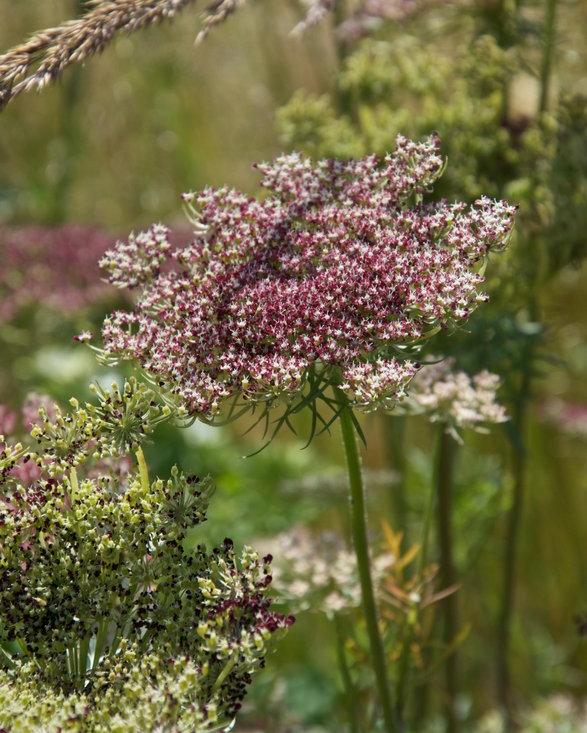
Daucus Purple Kisses (8 plugs)
Ship Week
Before adding this item to your cart, please select your desired ship week. Do note that orders for multiple ship weeks must be placed separately. What are ship weeks and which one should I choose?
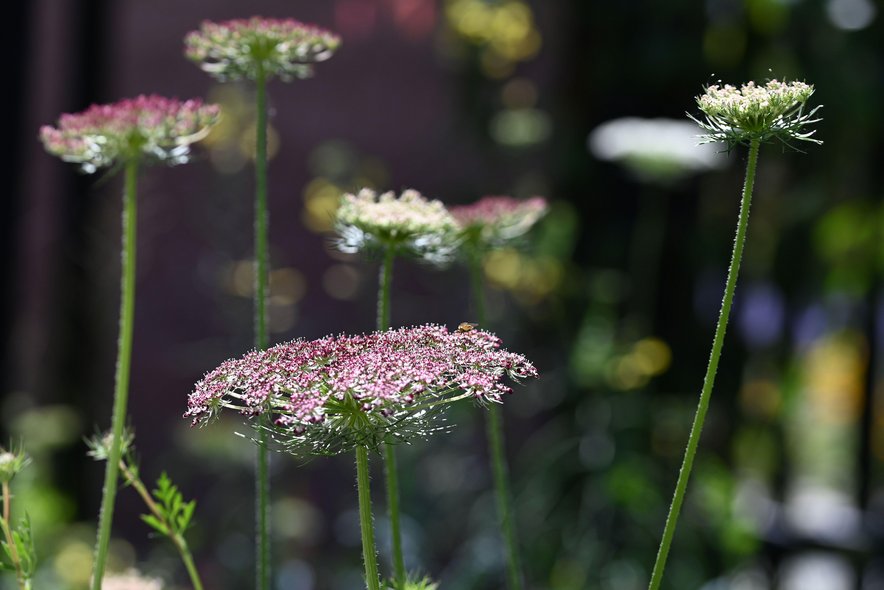
Daucus, also known as Chocolate Lace Flower, features delicate umbels in varying shades of purple, pink, burgundy, and white. The tall stems are an attractive filler flower, adding texture and airiness to any arrangement.
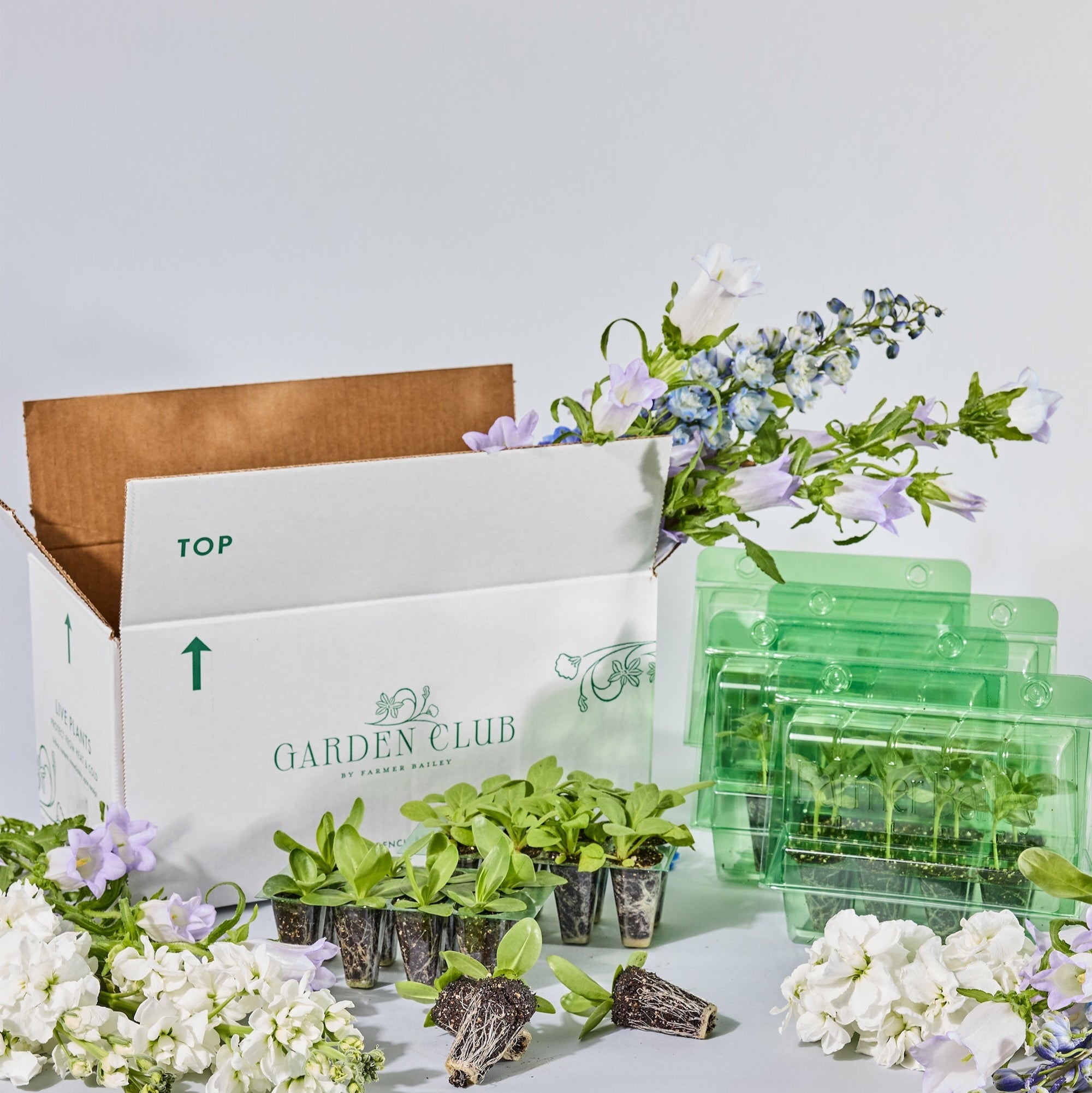
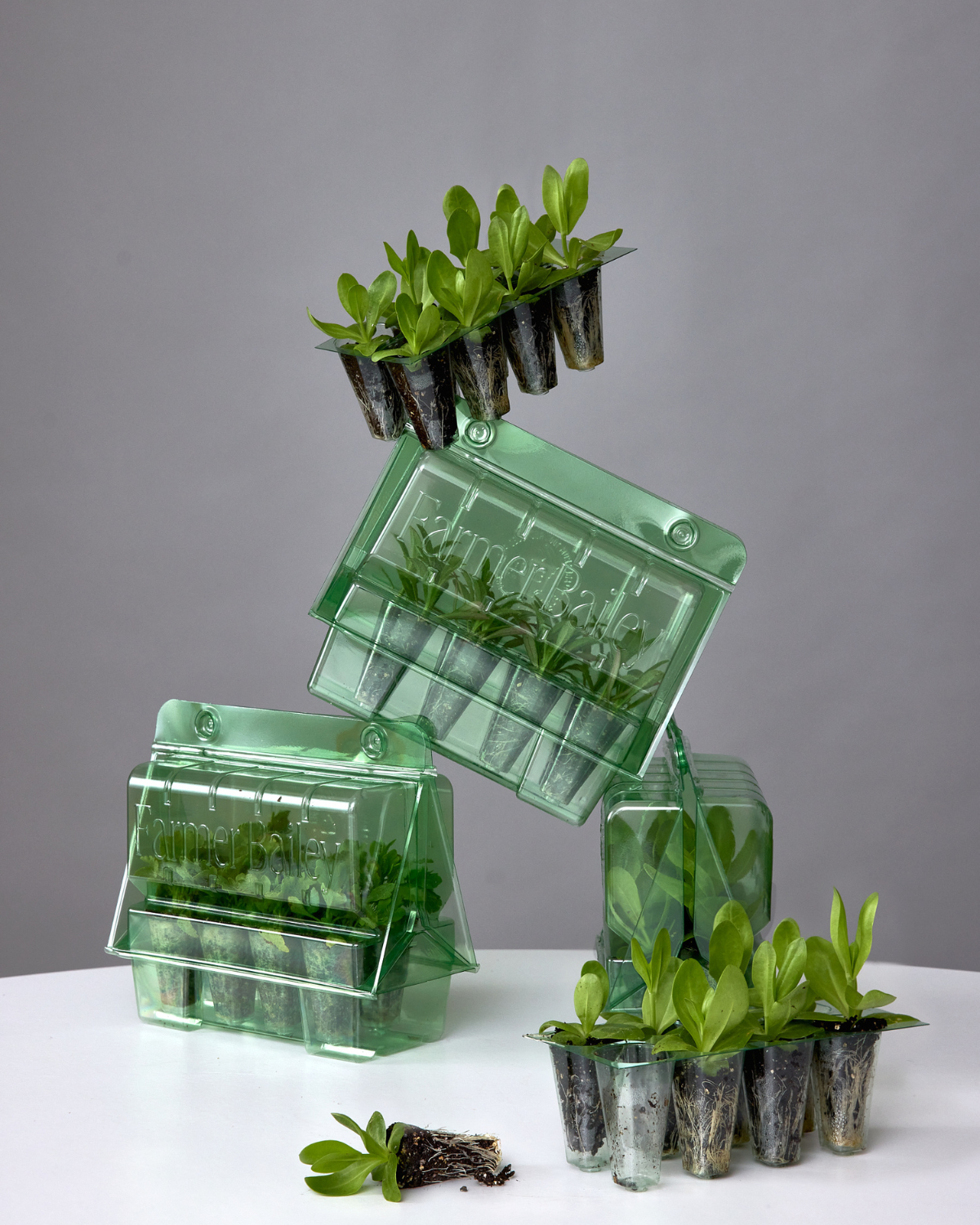
Exactly What You’ll Receive
- Daucus Purple Kisses plug plants
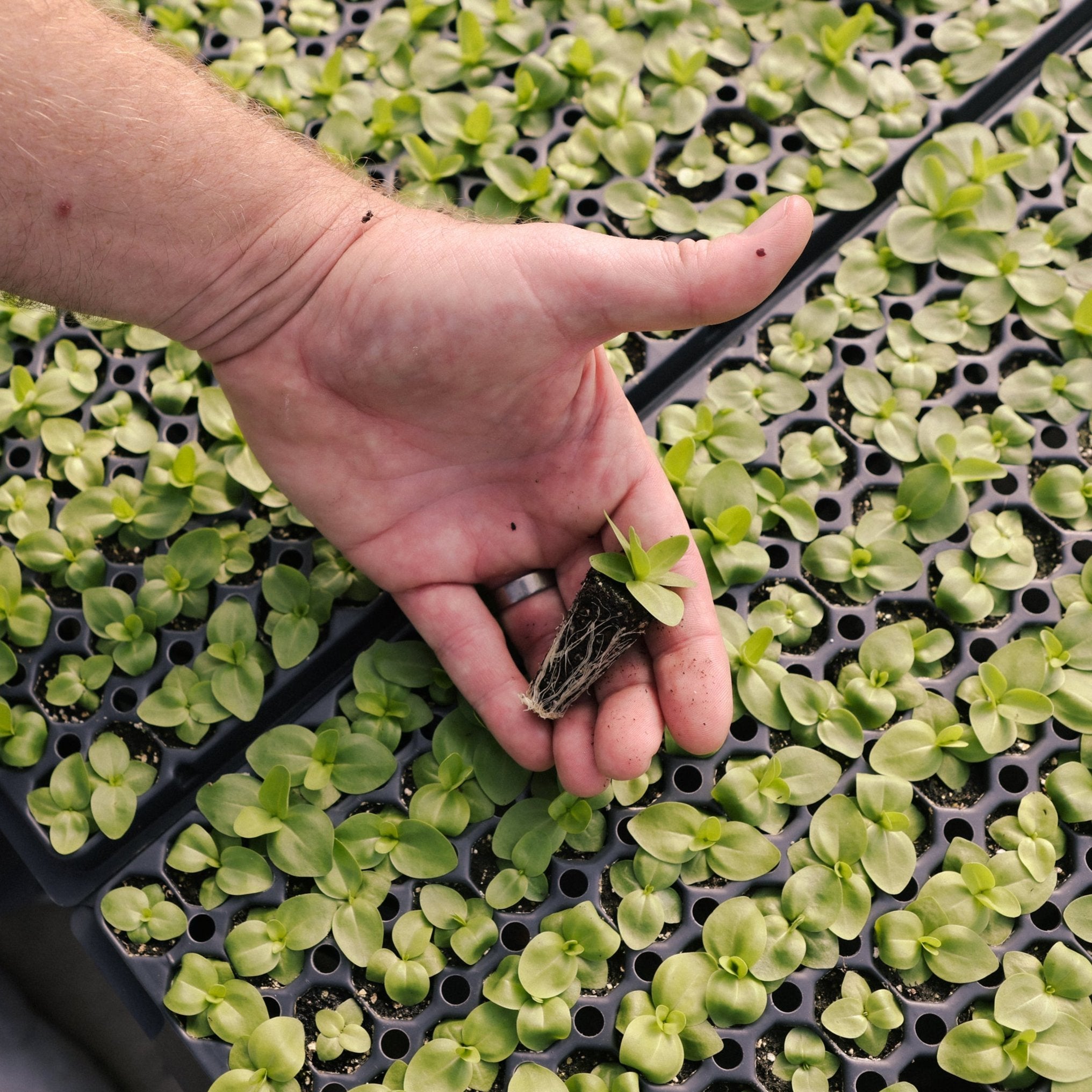
- 8 standard plugs roughly 1" x 1" x 2"
- 1 recycled & reusable mini greenhouse
When to Plant
- Cool Soil (About 2 weeks before 'last frost' date in spring)
- Fall Planted (Approximately 6 weeks before your first frost date in the fall)
Daucus Purple Kisses is most often used as an airy filler flower, similar to Queen Anne’s Lace. Simply put, this is one of the fanciest “carrots” you can grow! Daucus adds whimsy and lightness to any floral arrangement and looks fantastic in the garden, gently swaying in the summer breeze. Professional growers and designers appreciate Daucus for its moody and romantic color palette and impressively long vase life. This variety is hardy and easy to grow, with optimal results achieved when planted in full sun and well draining soil.
This variety showcases beautiful natural variation in color, meaning the blooms may feature shades and tones similar to those in the photos, but not identical.
Daucus Purple Kisses is generally suitable for fall planting in USDA zones 7 and higher (unprotected), and Zones 6 and below with additional protection from a greenhouse, hoop house, or frost cloth. This is strictly a guideline and we cannot guarantee winter survivability.
Learn to grow Daucus with our information-packed Growing Guide.
Choose options
Ship Week
Before adding this item to your cart, please select your desired ship week. Do note that orders for multiple ship weeks must be placed separately. What are ship weeks and which one should I choose?
Ship Week
Before adding this item to your cart, please select your desired ship week. Do note that orders for multiple ship weeks must be placed separately. What are ship weeks and which one should I choose?
Education, then Cultivation
Our free, comprehensive growing guides contain all the critical information you need in order to start growing this variety, including spacing, soil preference, post harvest care, and much more. Click below to get started, and don't hesitate to send your questions to orders@gardenclubplants.com